
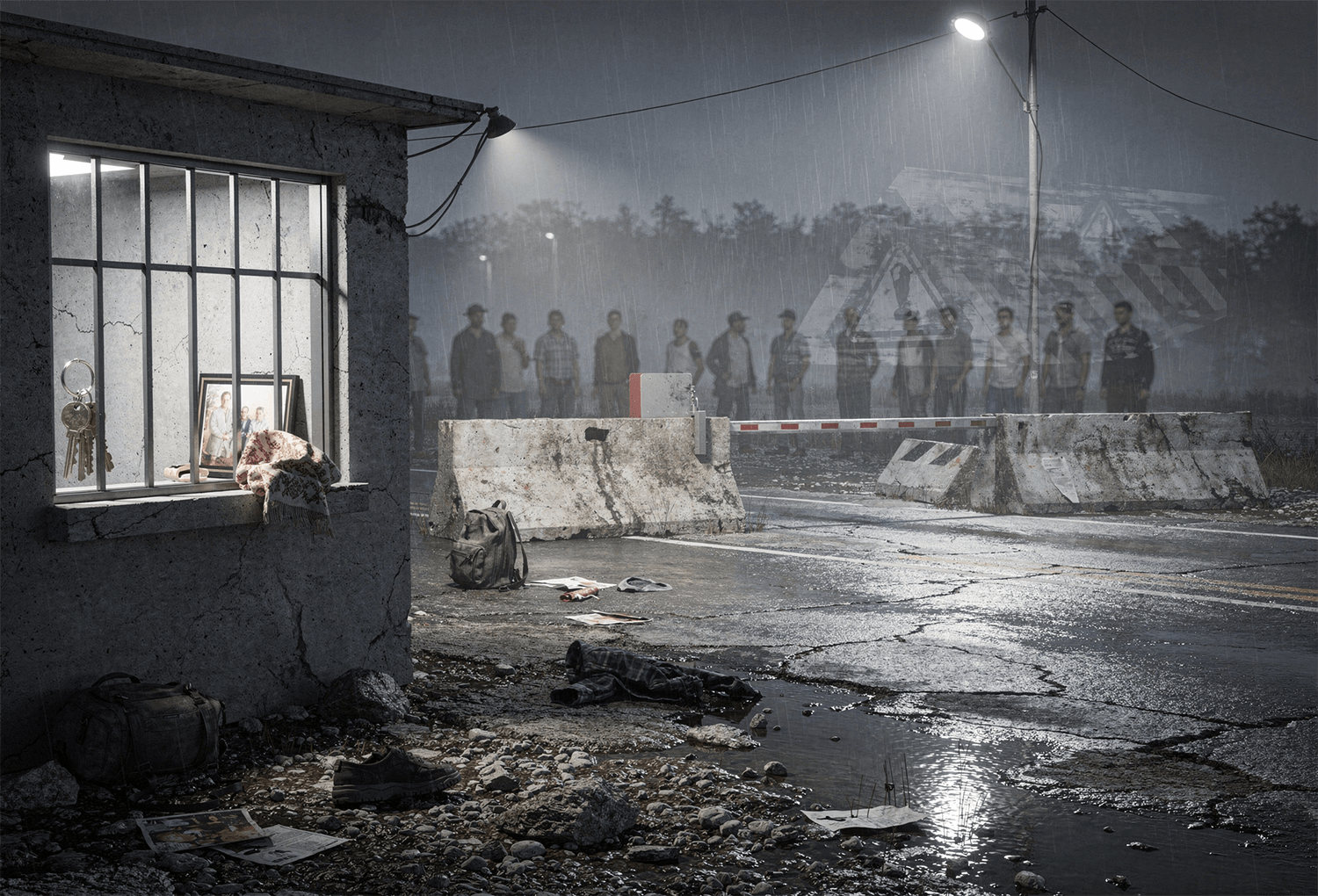
Forced Conscription and the Use of "Human Shields"
Examines the impact of the People's Military Service Law, specifically focusing on the 2025–2026 reports of abducting young men for frontline labor.
The Focus: Documenting the "Triple Violation": forced recruitment, the use of conscripts as human shields in minefields, and the detention of family members of draft evaders.
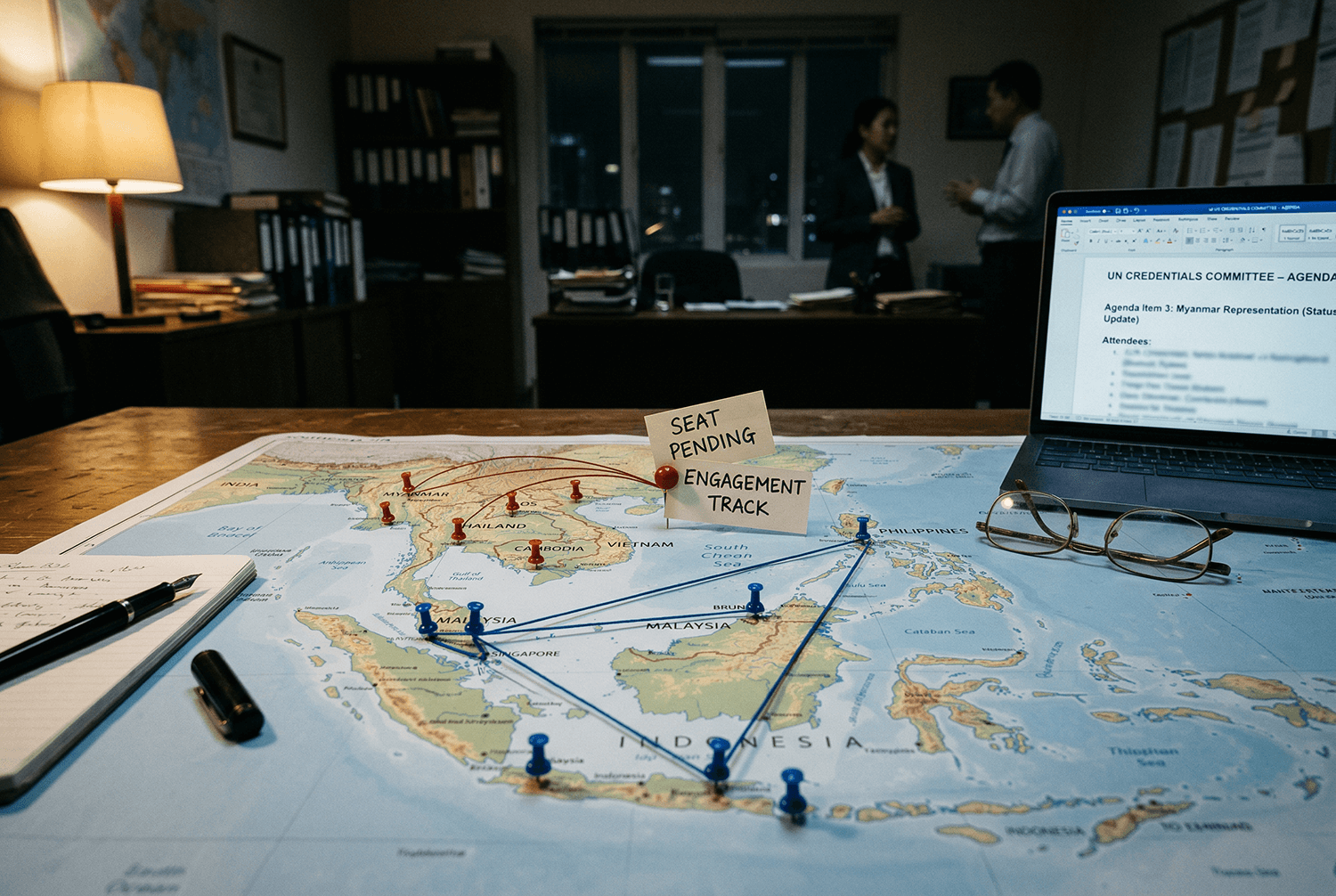
ASEAN’s "Five-Point Consensus" and Regional Legitimacy
This topic focuses on diplomatic pressure from the neighborhood. It examines the split between maritime ASEAN (who favor tougher stances) and mainland ASEAN (who favor engagement).
The Focus: The evolution of "non-interference" policies and the competition for Myanmar’s diplomatic seat in international forums.
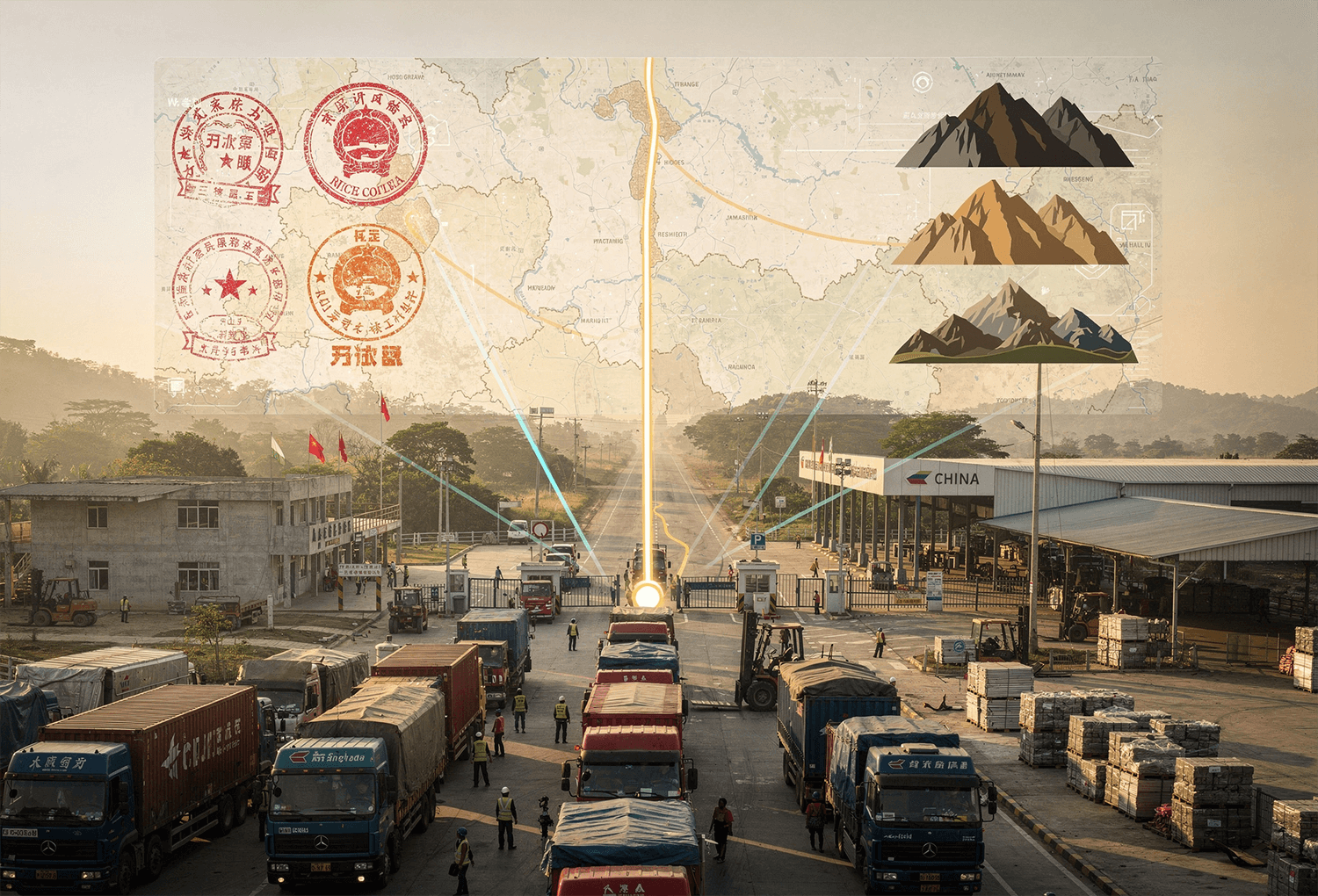
The "China-Myanmar Economic Corridor" (CMEC) & Border Stability
This is the most critical geopolitical test. It involves China’s "Belt and Road Initiative" and its direct pressure on the military and EAOs to protect infrastructure like the oil and gas pipelines.
The Focus: Analyzing how Beijing balances support for the central government with its "special relationships" with northern border groups.
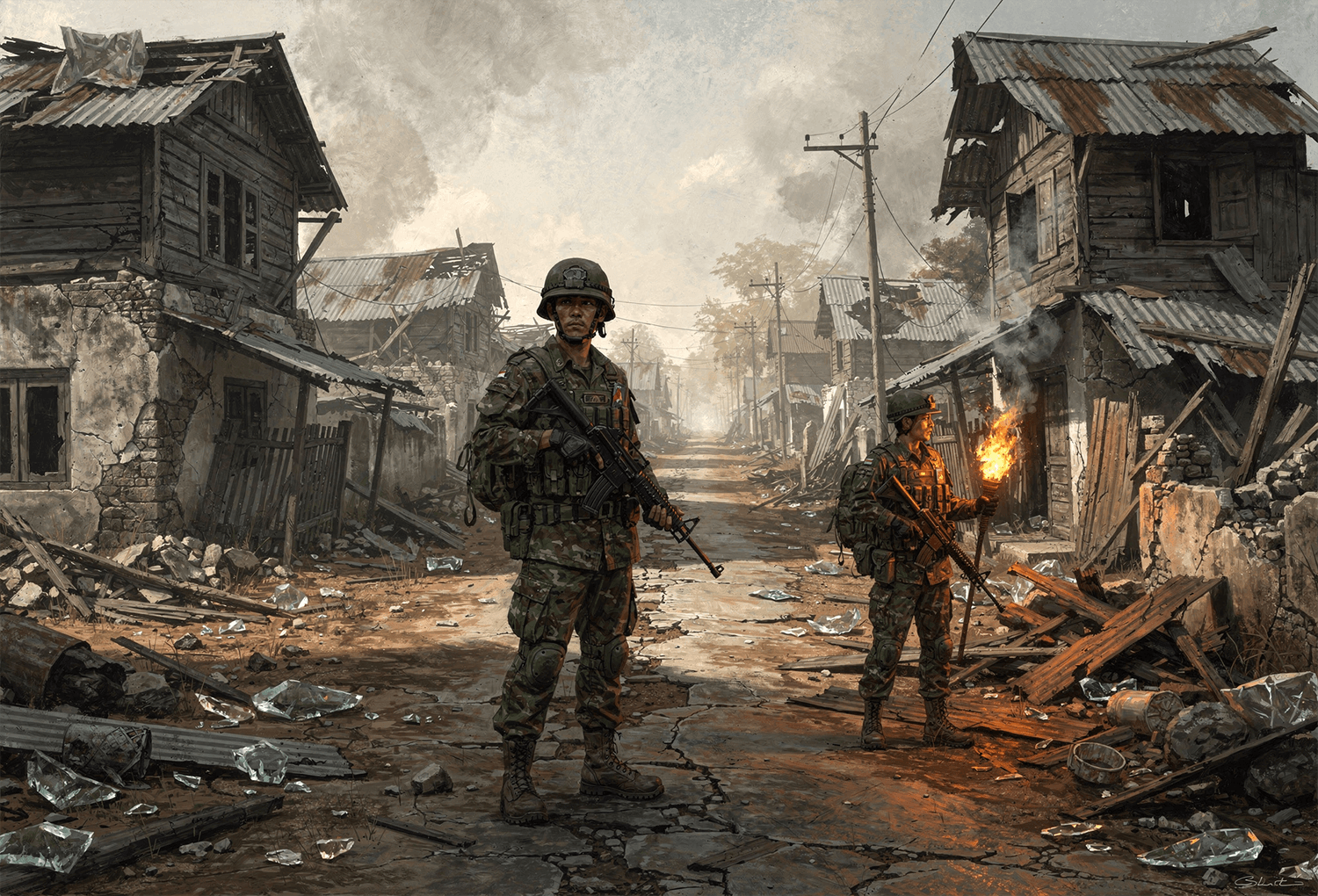
The "Domicide" Report: Systematic Destruction of Civilian Housing
This topic addresses the deliberate "scorched earth" tactics where entire villages and urban neighborhoods are leveled to prevent resistance governance.
The Focus: Analyzing the legal definition of "domicide" (the mass destruction of housing) as a crime against humanity in the context of Sagaing and Magway regions.
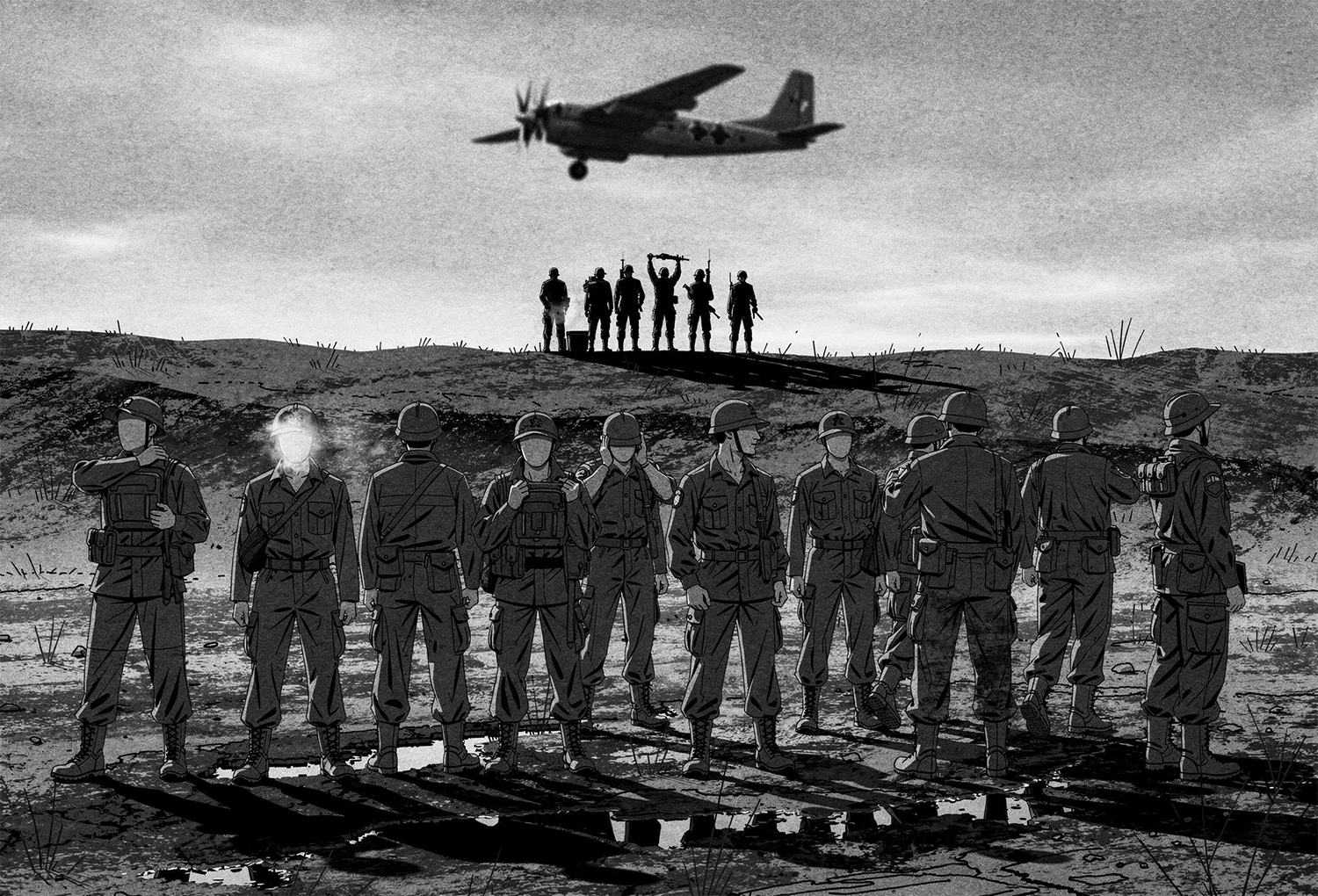
Conscription Dynamics and the "Fourth Generation" Tatmadaw
Focuses on the impact of two years of forced conscription (since Feb 2024). It examines the shift to "human-wave" infantry tactics integrated with superior air power.
The Focus: Analyzing the morale and effectiveness of newly conscripted units vs. the veteran core of Ethnic Armed Organizations (EAOs).

Fragmented Sovereignty: The Rise of Multi-Ethnic Councils
As resistance groups capture more territory, they are forming local governments (like the Chinland Council or Karenni IEC) that sometimes bypass the National Unity Government (NUG).
The Focus: The move from "resistance" to "governance"—how different ethnic groups are building separate state-like institutions in "liberated zones."

The "India-Myanmar-Thailand" Trilateral Highway & Mizoram Border
Focuses on India's "Act East" policy and its security concerns regarding refugee flows and insurgent groups crossing the shared 1,600 km border.
The Focus: India's dual-track approach of maintaining ties with Naypyidaw while managing state-level relations with resistance forces.

Forced Criminality: Human Trafficking in "Scam Enclaves"
Focuses on the 2026 humanitarian crisis where trafficked victims are no longer just "workers" but are coerced into committing crimes themselves under threat of torture.
The Focus: The "self-sustaining" criminal model where victims from over 60 countries are trapped in compounds like KK Park, often guarded by militias.

The Opium Peak: 2026 Supply Chain Evolution
Following the sustained collapse of Afghan poppy cultivation and the ongoing domestic displacement caused by the civil war, Myanmar has firmly re-established itself as the world’s primary source of illicit opium. However, the "Opium Peak" of 2026 is defined less by traditional farming and more by a sophisticated supply chain evolution.
Focus: Why poppy cultivation expanded into new regions like Sagaing and Chin State as a survival strategy for conflict-affected farmers.