
Geopolitics
Featured
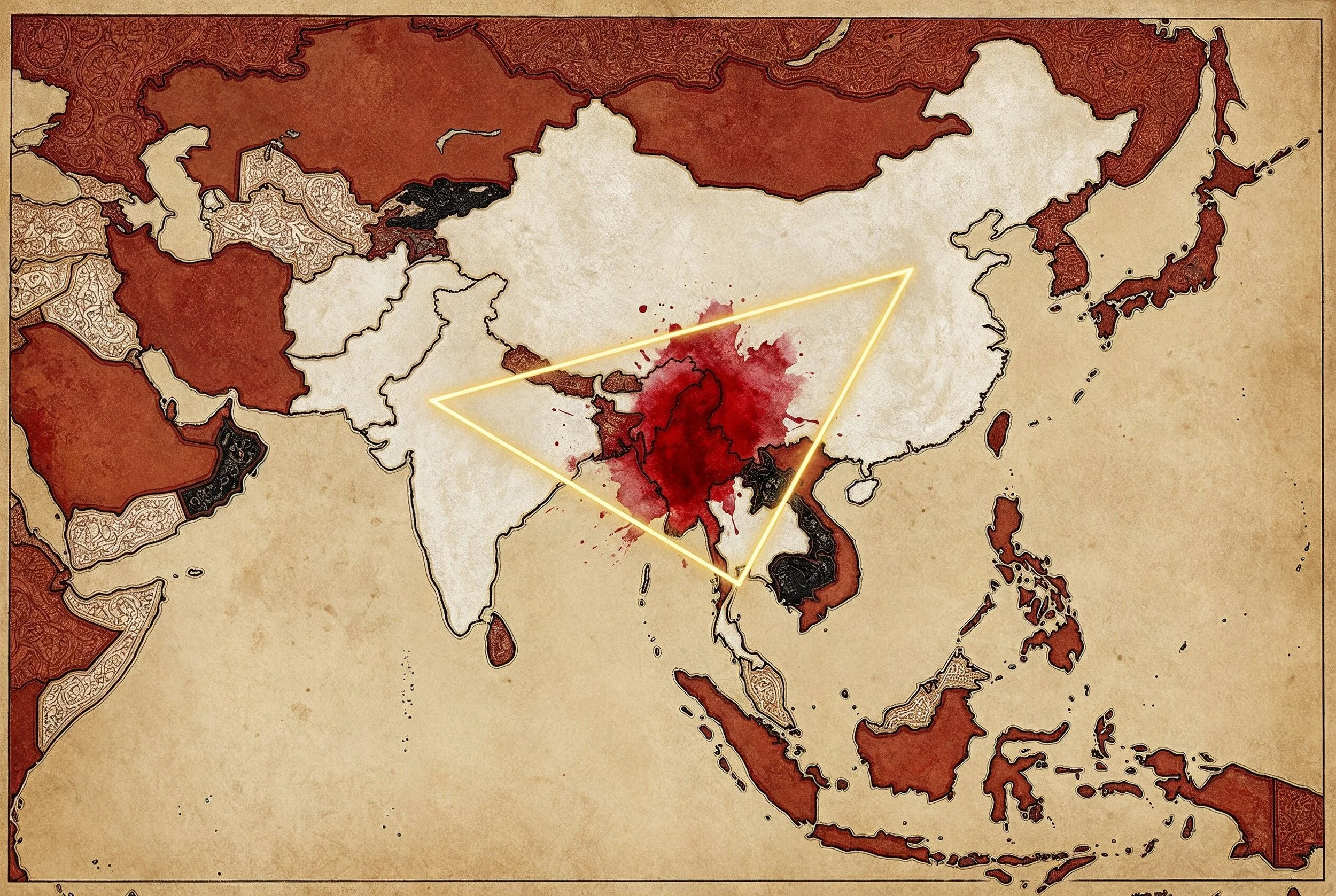



The article "Fueling the Generals" examines the external economic and political factors that have allowed Myanmar’s military junta to sustain power since the 2021 coup. It explores how neighboring nations and regional corporations provide critical lifelines that enable the regime to persist despite a lack of domestic legitimacy and ongoing internal conflict.
Ultimately, the author argues that the struggle for democracy in Myanmar is no longer just a domestic issue, but one deeply connected to the international networks that sustain the regime's economic viability.
The Myanmar Spring Revolution represents a landmark historical shift, unified by an unprecedented coalition of diverse ethnic groups, social classes, and generations. While this broad-based participation—termed "inclusiveness"—was the primary catalyst for the movement’s early momentum against the military dictatorship, it has recently encountered significant structural hurdles. The article argues that while inclusiveness remains a core moral and political pillar, the failure to manage its practical complexities has transformed a revolutionary strength into a strategic "trap" that threatens to stall progress toward a democratic transition.
Focuses on India's "Act East" policy and its security concerns regarding refugee flows and insurgent groups crossing the shared 1,600 km border.
The Focus: India's dual-track approach of maintaining ties with Naypyidaw while managing state-level relations with resistance forces.
A study of how US and EU sanctions on aviation fuel and state-owned banks are being circumvented through regional financial hubs.
The Focus: The effectiveness of targeted "smart sanctions" and the role of Singapore or Thai banks in Myanmar’s international transactions.
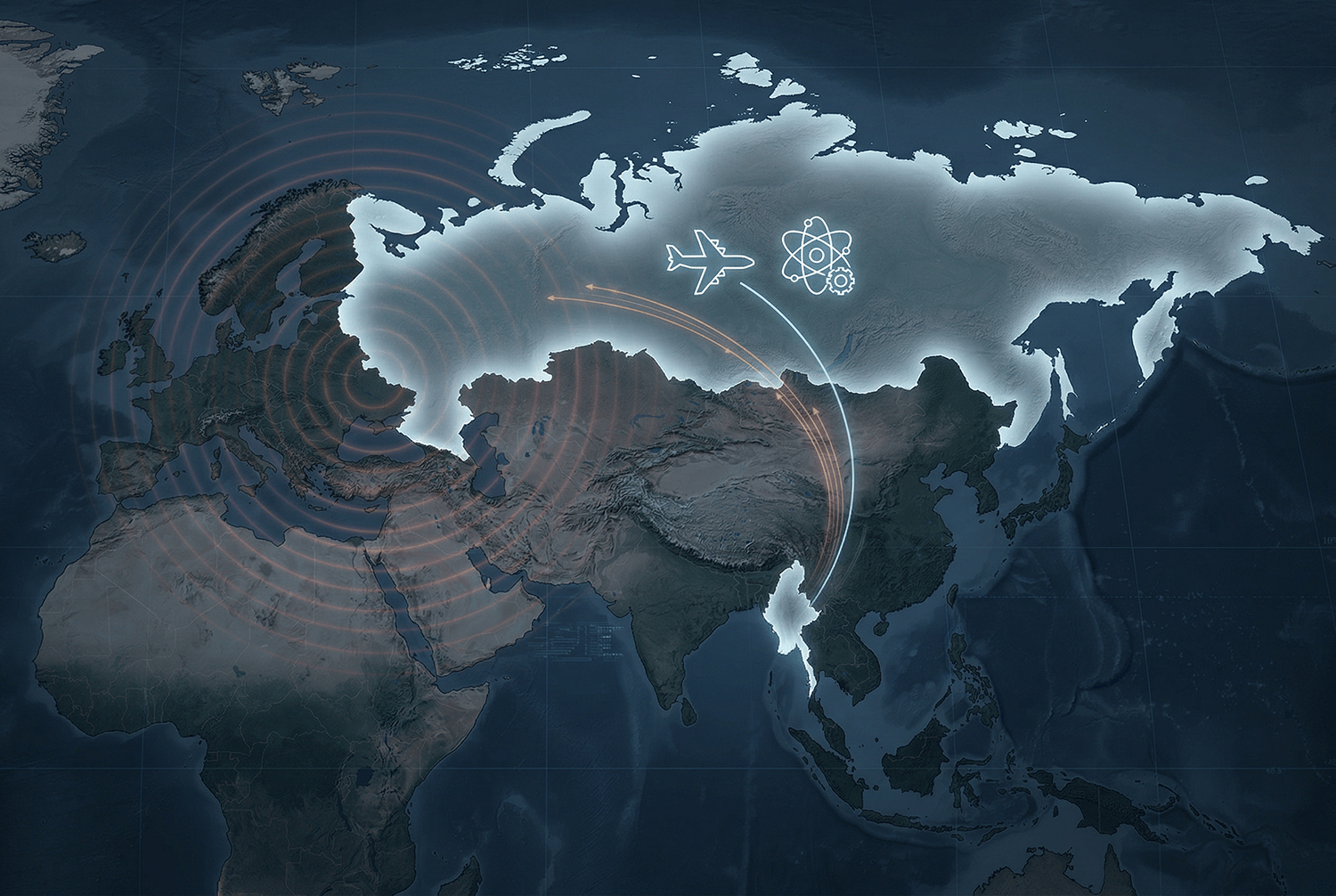
Myanmar has become a key customer for Russian hardware (Su-30s, Yak-130s) and nuclear technology, providing Russia with a strategic foothold in Southeast Asia.
The Focus: How the Ukraine-Russia conflict has tightened the bond between Moscow and Myanmar’s military leadership through arms-for-resources deals.
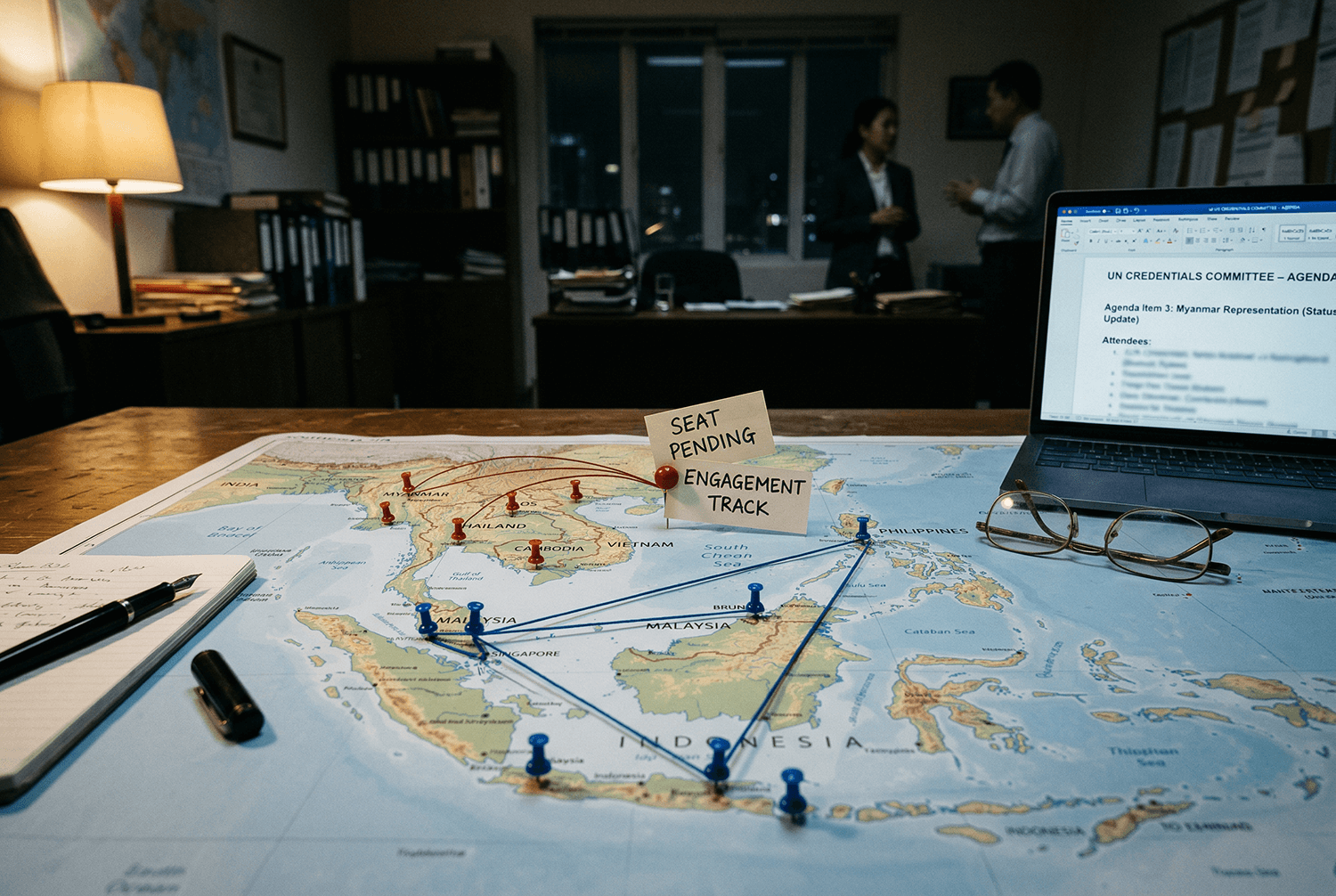
This topic focuses on diplomatic pressure from the neighborhood. It examines the split between maritime ASEAN (who favor tougher stances) and mainland ASEAN (who favor engagement).
The Focus: The evolution of "non-interference" policies and the competition for Myanmar’s diplomatic seat in international forums.