
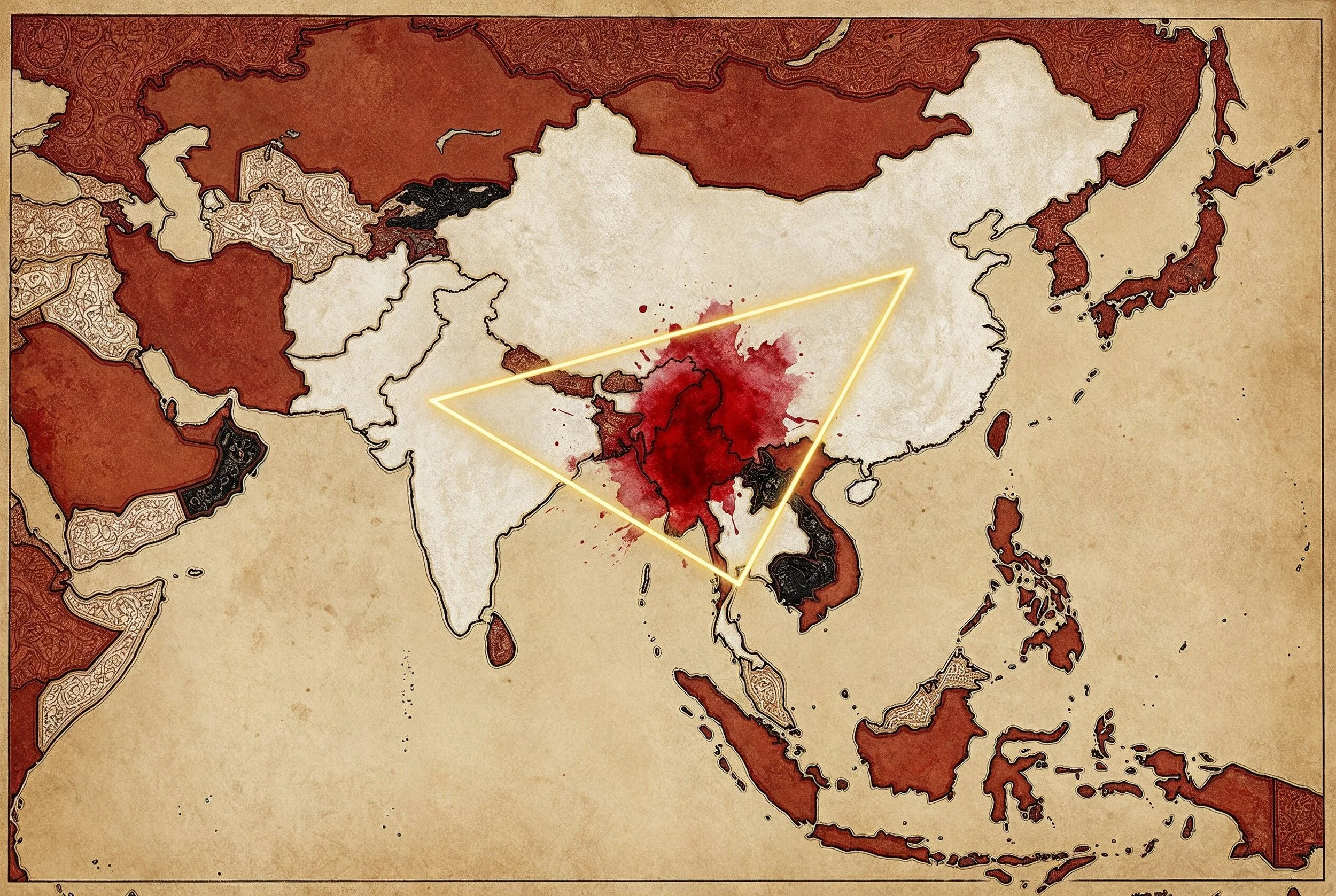
Fueling the Generals: How Myanmar’s Neighbors Are Helping Prolong Military Dictatorship
The article "Fueling the Generals" examines the external economic and political factors that have allowed Myanmar’s military junta to sustain power since the 2021 coup. It explores how neighboring nations and regional corporations provide critical lifelines that enable the regime to persist despite a lack of domestic legitimacy and ongoing internal conflict.
Ultimately, the author argues that the struggle for democracy in Myanmar is no longer just a domestic issue, but one deeply connected to the international networks that sustain the regime's economic viability.

The Contested Sky: The Evolution and Diversification of Aerial Warfare in Myanmar
The Myanmar Spring Revolution represents a landmark historical shift, unified by an unprecedented coalition of diverse ethnic groups, social classes, and generations. While this broad-based participation—termed "inclusiveness"—was the primary catalyst for the movement’s early momentum against the military dictatorship, it has recently encountered significant structural hurdles. The article argues that while inclusiveness remains a core moral and political pillar, the failure to manage its practical complexities has transformed a revolutionary strength into a strategic "trap" that threatens to stall progress toward a democratic transition.

Forced Criminality: Human Trafficking in "Scam Enclaves"
Focuses on the 2026 humanitarian crisis where trafficked victims are no longer just "workers" but are coerced into committing crimes themselves under threat of torture.
The Focus: The "self-sustaining" criminal model where victims from over 60 countries are trapped in compounds like KK Park, often guarded by militias.

Myanmar’s Spring Revolution and the Inclusivity Trap: A Strategic Stranglehold
The Myanmar Spring Revolution represents a landmark historical shift, unified by an unprecedented coalition of diverse ethnic groups, social classes, and generations. While this broad-based participation—termed "inclusiveness"—was the primary catalyst for the movement’s early momentum against the military dictatorship, it has recently encountered significant structural hurdles. The article argues that while inclusiveness remains a core moral and political pillar, the failure to manage its practical complexities has transformed a revolutionary strength into a strategic "trap" that threatens to stall progress toward a democratic transition.
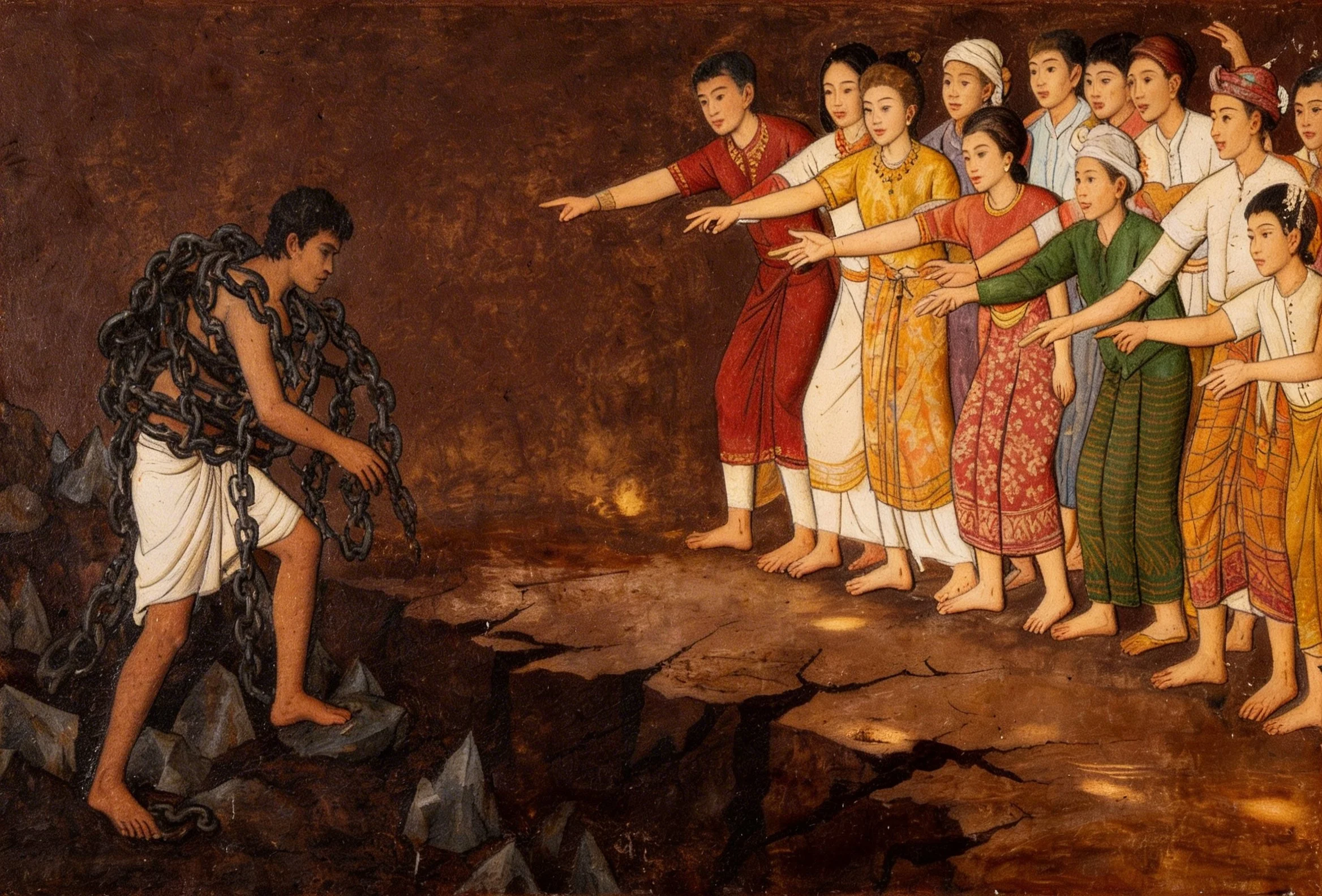
The Anatomy of Blame: Scapegoating and the Challenge to Myanmar’s Unity
In the complex landscape of Myanmar’s ongoing struggle for democracy, the erosion of trust often stems from a deeply rooted psychological and social phenomenon: scapegoating. By unfairly projecting collective frustration and failures onto vulnerable groups or "safer" political targets, individuals and organizations often find a temporary reprieve from stress at the heavy cost of accountability and truth.
This article explores the delicate balance between legitimate political criticism and the destructive cycle of scapegoating. By analyzing how "displaced accountability" weakens alliances among anti-dictatorship forces, the author examines the urgent need for a transition from habitual blaming to a factual, forward-looking dialogue essential for building a unified federal future.

The "India-Myanmar-Thailand" Trilateral Highway & Mizoram Border
Focuses on India's "Act East" policy and its security concerns regarding refugee flows and insurgent groups crossing the shared 1,600 km border.
The Focus: India's dual-track approach of maintaining ties with Naypyidaw while managing state-level relations with resistance forces.

Wildlife Trafficking and Natural Resource Extortion
Myanmar’s border zones remain major transit points for the illegal trade of jade, rare-earth minerals, and endangered species, often used as "taxation" by both the military and armed groups.
The Focus: How illicit logging and mining concessions fund the purchase of advanced weaponry (drones and loitering munitions).

Forced Conscription and the Use of "Human Shields"
Examines the impact of the People's Military Service Law, specifically focusing on the 2025–2026 reports of abducting young men for frontline labor.
The Focus: Documenting the "Triple Violation": forced recruitment, the use of conscripts as human shields in minefields, and the detention of family members of draft evaders.
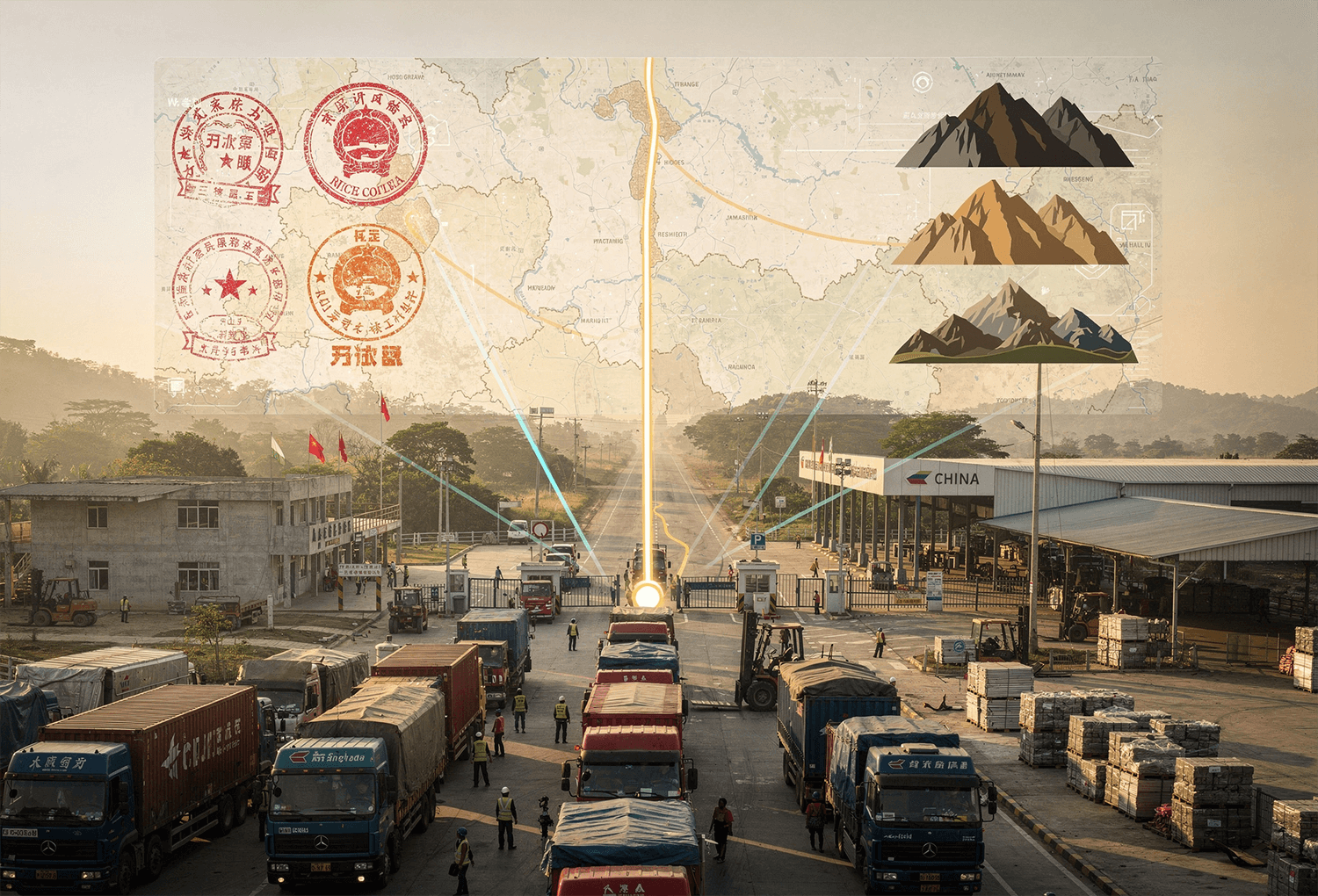
The "China-Myanmar Economic Corridor" (CMEC) & Border Stability
This is the most critical geopolitical test. It involves China’s "Belt and Road Initiative" and its direct pressure on the military and EAOs to protect infrastructure like the oil and gas pipelines.
The Focus: Analyzing how Beijing balances support for the central government with its "special relationships" with northern border groups.
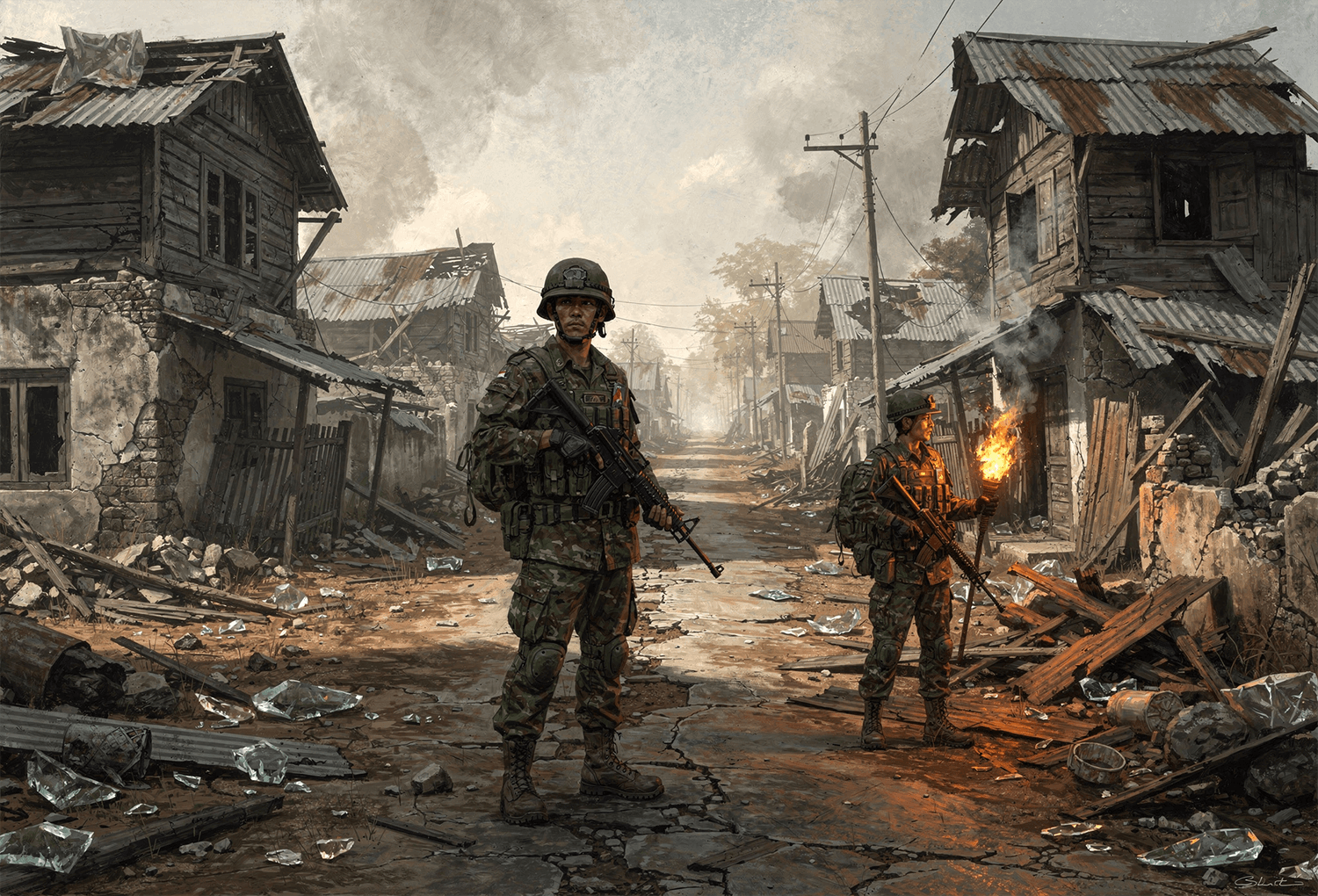
The "Domicide" Report: Systematic Destruction of Civilian Housing
This topic addresses the deliberate "scorched earth" tactics where entire villages and urban neighborhoods are leveled to prevent resistance governance.
The Focus: Analyzing the legal definition of "domicide" (the mass destruction of housing) as a crime against humanity in the context of Sagaing and Magway regions.