

The Erasure of History and the Path to Institutional Redemption
In the theatre of authoritarian politics, history is often treated not as an immutable record of the past, but as a malleable instrument of the present. For decades, a defining characteristic of dictatorial regimes—most visibly exemplified in Myanmar’s turbulent political trajectory—has been the systematic attempt to rewrite, re-control, and reshape historical narratives. The objective is always the same: to legitimise and consolidate contemporary holds on power.
Yet, as recent political discourse highlights, true history possesses a stubborn resilience. It cannot be dismantled like an old administrative building, pulled down like a bronze statue, or replaced like an outdated signboard. History lives dynamically within the populace; it is the sum of a society’s collective memory, its shared political scars, and the lived experiences quietly passed down from one generation to the next.
For an institution seeking redemption and the restoration of public trust, acknowledging this reality is not a sign of weakness. Rather, it is the foundational step toward national reconciliation.

Myanmar’s Spring Revolution and the Inclusivity Trap: A Strategic Stranglehold
The Myanmar Spring Revolution represents a landmark historical shift, unified by an unprecedented coalition of diverse ethnic groups, social classes, and generations. While this broad-based participation—termed "inclusiveness"—was the primary catalyst for the movement’s early momentum against the military dictatorship, it has recently encountered significant structural hurdles. The article argues that while inclusiveness remains a core moral and political pillar, the failure to manage its practical complexities has transformed a revolutionary strength into a strategic "trap" that threatens to stall progress toward a democratic transition.
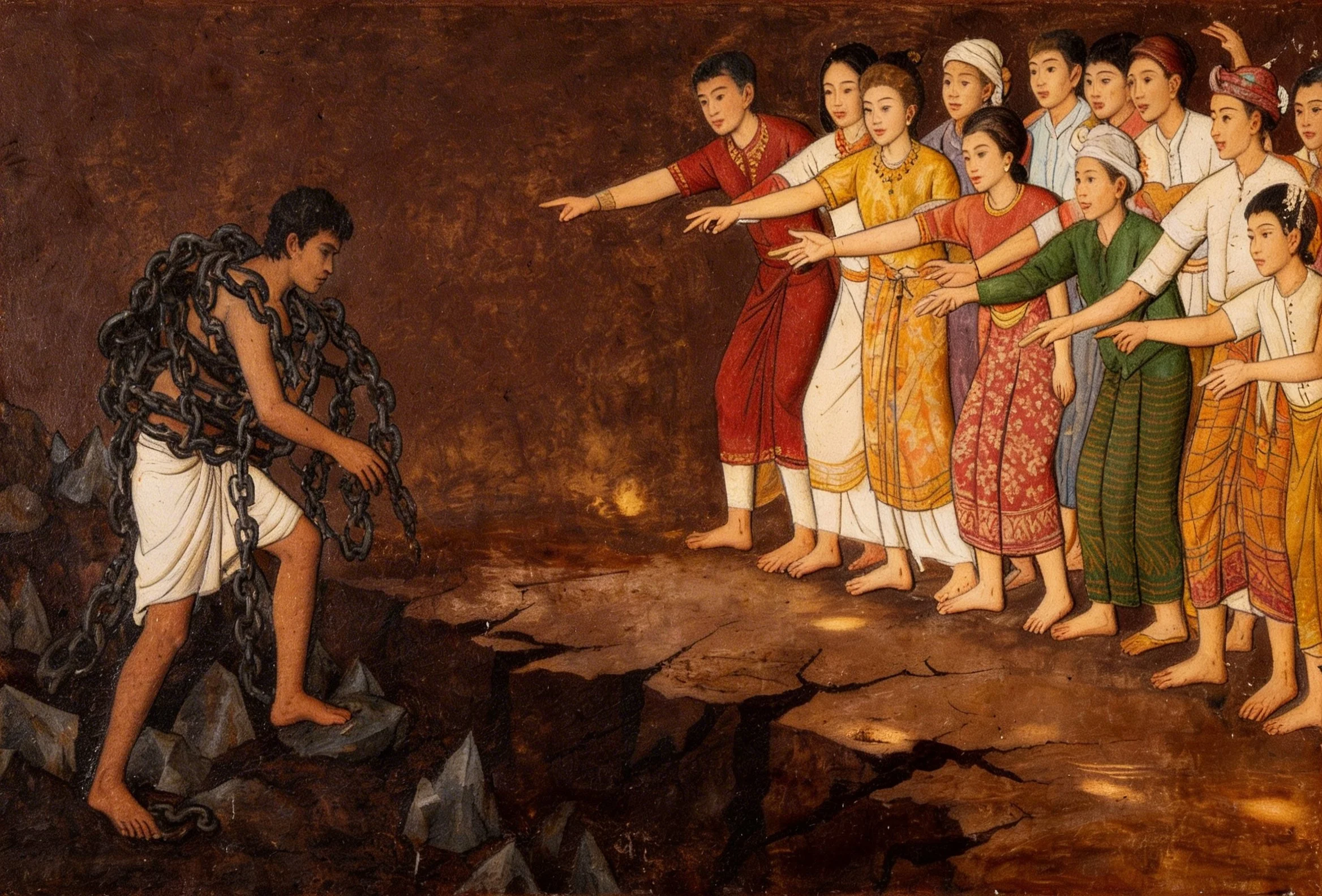
The Anatomy of Blame: Scapegoating and the Challenge to Myanmar’s Unity
In the complex landscape of Myanmar’s ongoing struggle for democracy, the erosion of trust often stems from a deeply rooted psychological and social phenomenon: scapegoating. By unfairly projecting collective frustration and failures onto vulnerable groups or "safer" political targets, individuals and organisations often find a temporary reprieve from stress at the heavy cost of accountability and truth.
This article explores the delicate balance between legitimate political criticism and the destructive cycle of scapegoating. By analysing how "displaced accountability" weakens alliances among anti-dictatorship forces, the author examines the urgent need for a transition from habitual blaming to a factual, forward-looking dialogue essential for building a unified federal future.