

Nominal Sovereignty: How Realpolitik and Regime Survival Are Eroding Myanmar’s Statehood
The foundational promise of modern Myanmar was built on a simple, immutable truth: sovereignty resides only in the people. Enshrined in the 1947 Panglong spirit and the dawn of independence in 1948, this principle dictates that the raw power of a military junta or mere territorial ownership does not measure true statehood. Instead, it is sustained by the people’s right to choose their leaders freely, participate in political life, and democratically delegate authority.
Today, that foundation is fracturing. Buffeted by intense domestic resistance and international condemnation following the 2021 military coup and subsequent rigged elections, junta leader Min Aung Hlaing has launched a diplomatic charm offensive. His high-profile visits to powerful neighbours like China and India are not signs of state strength, but rather a calculated effort to garner international recognition and political legitimacy he lacks at home.

The Contested Sky: The Evolution and Diversification of Aerial Warfare in Myanmar
The Myanmar Spring Revolution represents a landmark historical shift, unified by an unprecedented coalition of diverse ethnic groups, social classes, and generations. While this broad-based participation—termed "inclusiveness"—was the primary catalyst for the movement’s early momentum against the military dictatorship, it has recently encountered significant structural hurdles. The article argues that while inclusiveness remains a core moral and political pillar, the failure to manage its practical complexities has transformed a revolutionary strength into a strategic "trap" that threatens to stall progress toward a democratic transition.
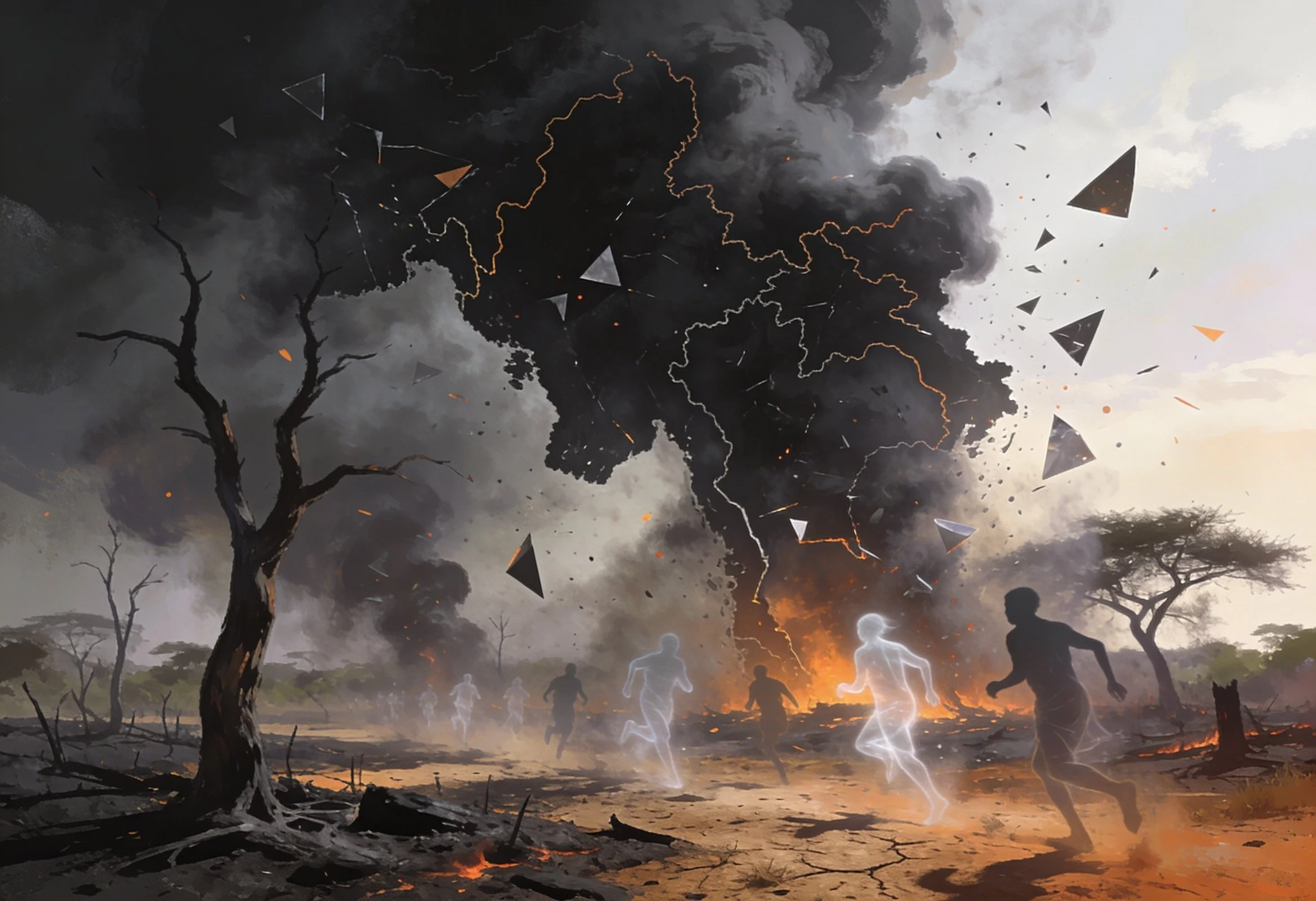
The Ashes of Resistance: An Analytical Review of Myanmar’s Five-Year Arson Campaign (2021–2026)
By early 2026, Myanmar’s civil war has evolved into a nationwide struggle, marked by the military junta’s (SAC) systematic use of arson. Since the 2021 coup, over 125,328 civilian homes have been destroyed.
This destruction is a deliberate execution of the "Four Cuts" strategy, designed to sever ties between resistance forces and their civilian support. Despite the junta’s push for "legitimacy" through sham elections, scorched-earth tactics have only intensified throughout 2025 and 2026.

The Drone Arms Race: Electronic Warfare and FPV Evolution
By 2026, the technological advantage of the resistance has been challenged by advanced jammers and Iranian/Russian/Chinese drone tech used by the military.
The Focus: Testing the "Technology" aspect of the war—how jamming devices are disrupting resistance air supremacy and the rise of FPV (First-Person View) kamikaze drones on both sides.

The Air Campaign: Strategic Bombing of Resistance Hubs
Examines the 2026 escalation in airstrikes, including the use of redirected jet fuel supplies (allegedly from Iran/Russia) to strike civilian displacement sites and funeral ceremonies in Kachin and Rakhine.
The Focus: The military’s reliance on "The War from the Sky" as their primary tool to prevent the resistance from establishing stable urban administrative hubs.

The "January 2026" Offensive: Defensive Urban Enclaves
This topic tracks the junta's attempt to consolidate power in urban centers like Bhamo and Mandalay following the January 2026 election. It tests how your journal handles "Tactical Mapping."
The Focus: Analyzing the junta's "pacification" strategy in urban zones vs. resistance control of the rural periphery.
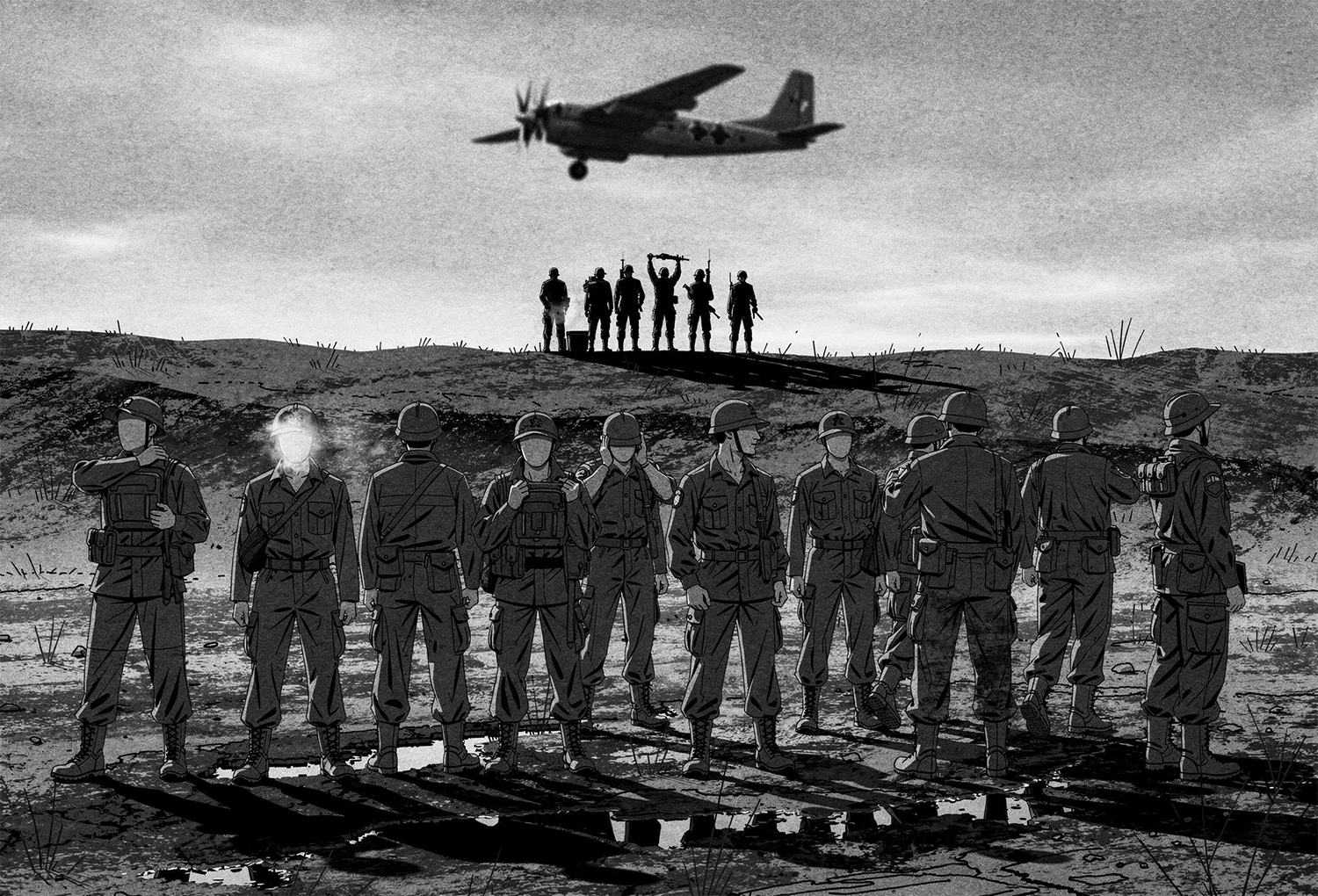
Conscription Dynamics and the "Fourth Generation" Tatmadaw
Focuses on the impact of two years of forced conscription (since Feb 2024). It examines the shift to "human-wave" infantry tactics integrated with superior air power.
The Focus: Analyzing the morale and effectiveness of newly conscripted units vs. the veteran core of Ethnic Armed Organizations (EAOs).

Fragmented Sovereignty: The Rise of Multi-Ethnic Councils
As resistance groups capture more territory, they are forming local governments (like the Chinland Council or Karenni IEC) that sometimes bypass the National Unity Government (NUG).
The Focus: The move from "resistance" to "governance"—how different ethnic groups are building separate state-like institutions in "liberated zones."