

The Erasure of History and the Path to Institutional Redemption
In the theatre of authoritarian politics, history is often treated not as an immutable record of the past, but as a malleable instrument of the present. For decades, a defining characteristic of dictatorial regimes—most visibly exemplified in Myanmar’s turbulent political trajectory—has been the systematic attempt to rewrite, re-control, and reshape historical narratives. The objective is always the same: to legitimise and consolidate contemporary holds on power.
Yet, as recent political discourse highlights, true history possesses a stubborn resilience. It cannot be dismantled like an old administrative building, pulled down like a bronze statue, or replaced like an outdated signboard. History lives dynamically within the populace; it is the sum of a society’s collective memory, its shared political scars, and the lived experiences quietly passed down from one generation to the next.
For an institution seeking redemption and the restoration of public trust, acknowledging this reality is not a sign of weakness. Rather, it is the foundational step toward national reconciliation.
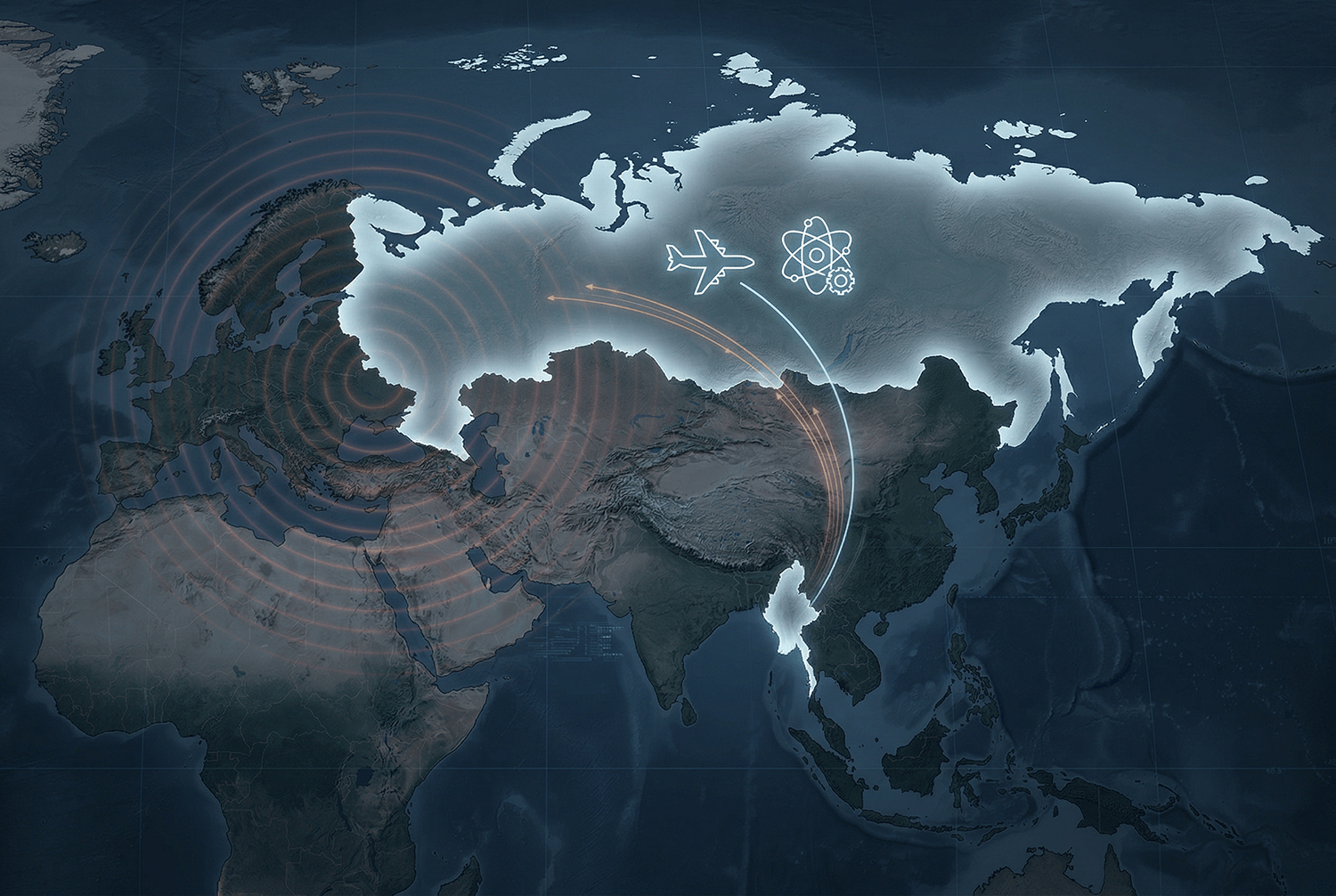
Russian Defense Cooperation & Military Modernization
Myanmar has become a key customer for Russian hardware (Su-30s, Yak-130s) and nuclear technology, providing Russia with a strategic foothold in Southeast Asia.
The Focus: How the Ukraine-Russia conflict has tightened the bond between Moscow and Myanmar’s military leadership through arms-for-resources deals.
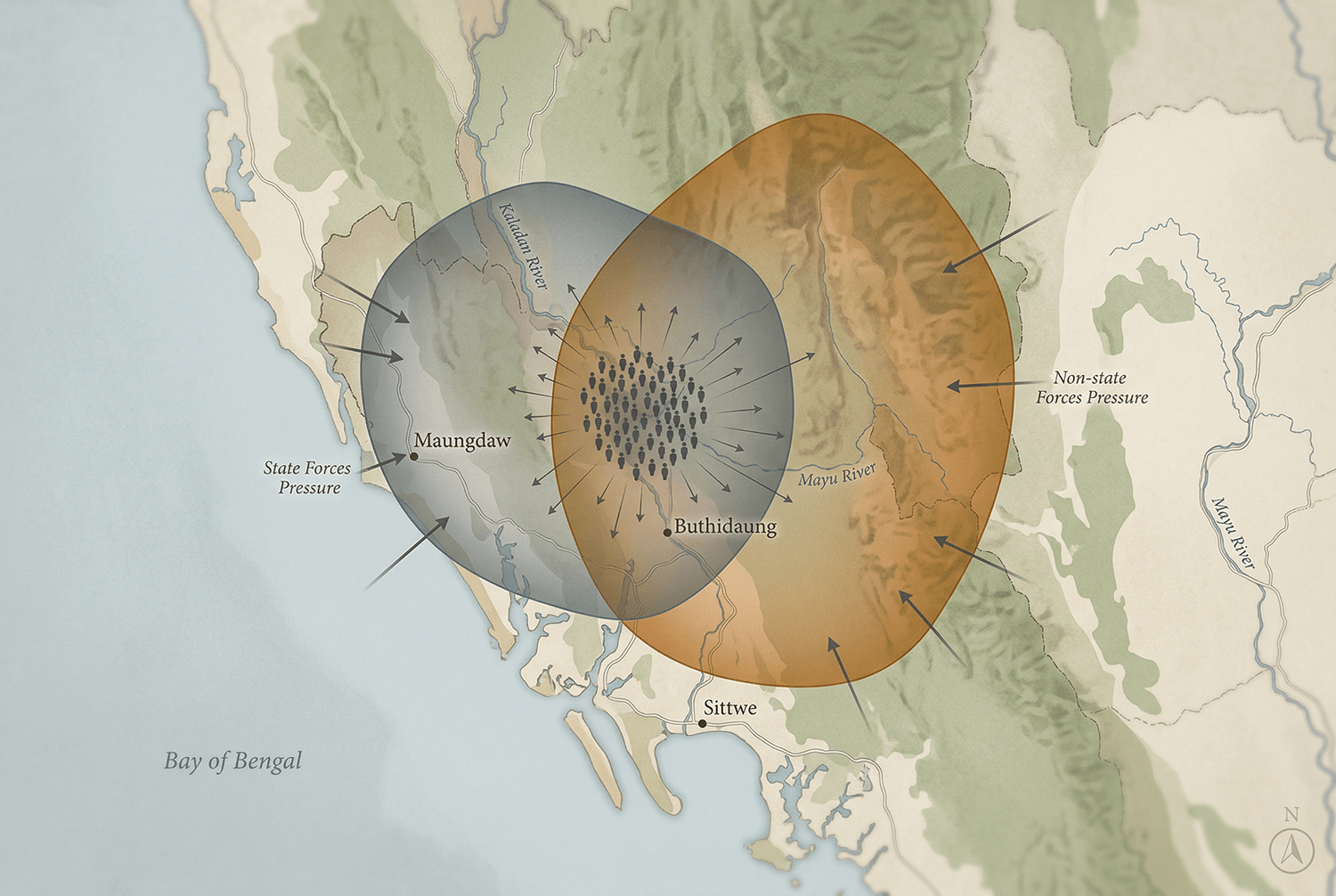
The Rohingya Paradox: Double-Sided Persecution in Rakhine
An analysis of the 2026 situation where Rohingya civilians are caught between the military's forced recruitment and the Arakan Army’s territorial expansion.
The Focus: Documenting the new wave of displacement and "ethnic cleansing" allegations as both state and non-state actors vie for control of Northern Rakhine State.
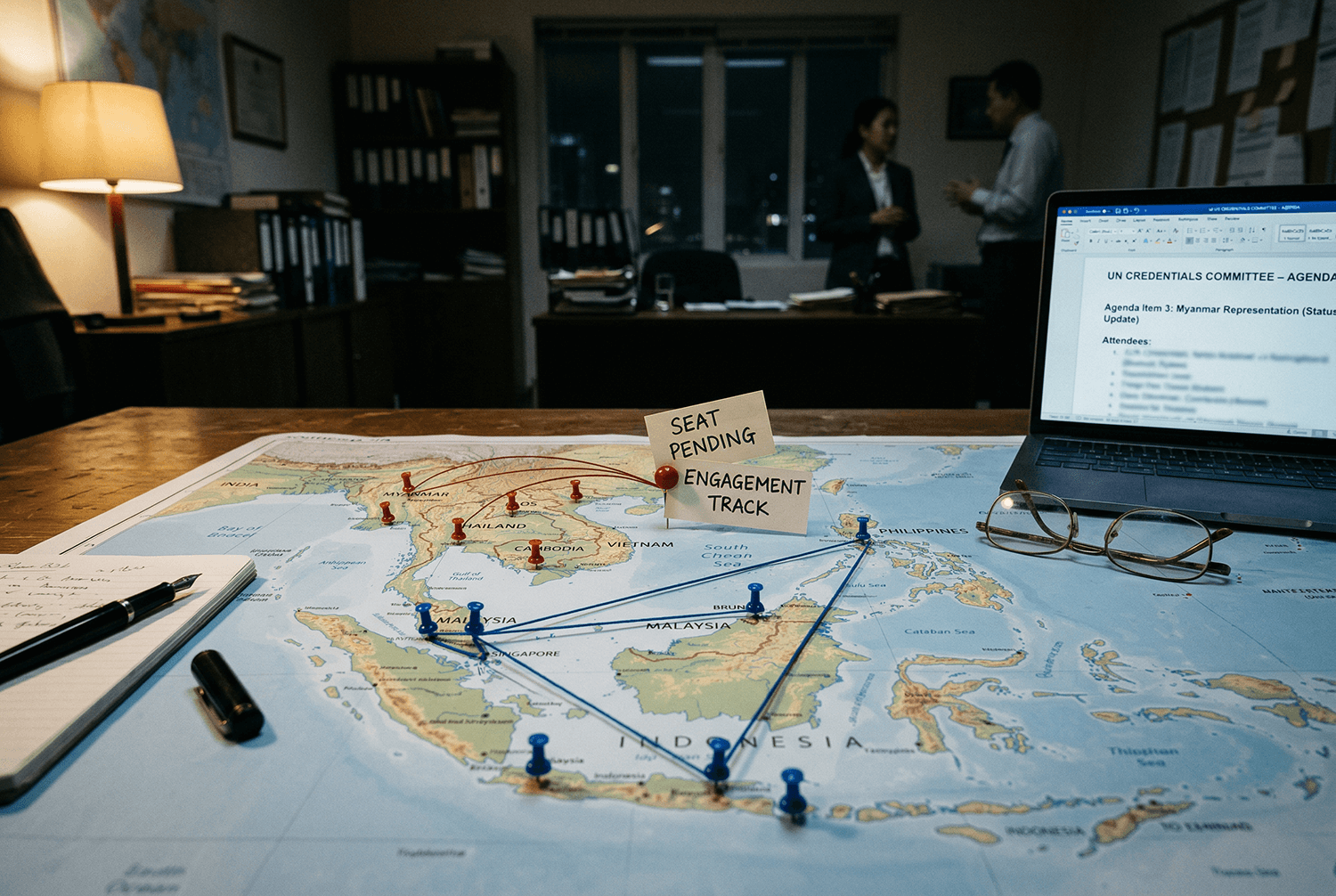
ASEAN’s "Five-Point Consensus" and Regional Legitimacy
This topic focuses on diplomatic pressure from the neighborhood. It examines the split between maritime ASEAN (who favor tougher stances) and mainland ASEAN (who favor engagement).
The Focus: The evolution of "non-interference" policies and the competition for Myanmar’s diplomatic seat in international forums.
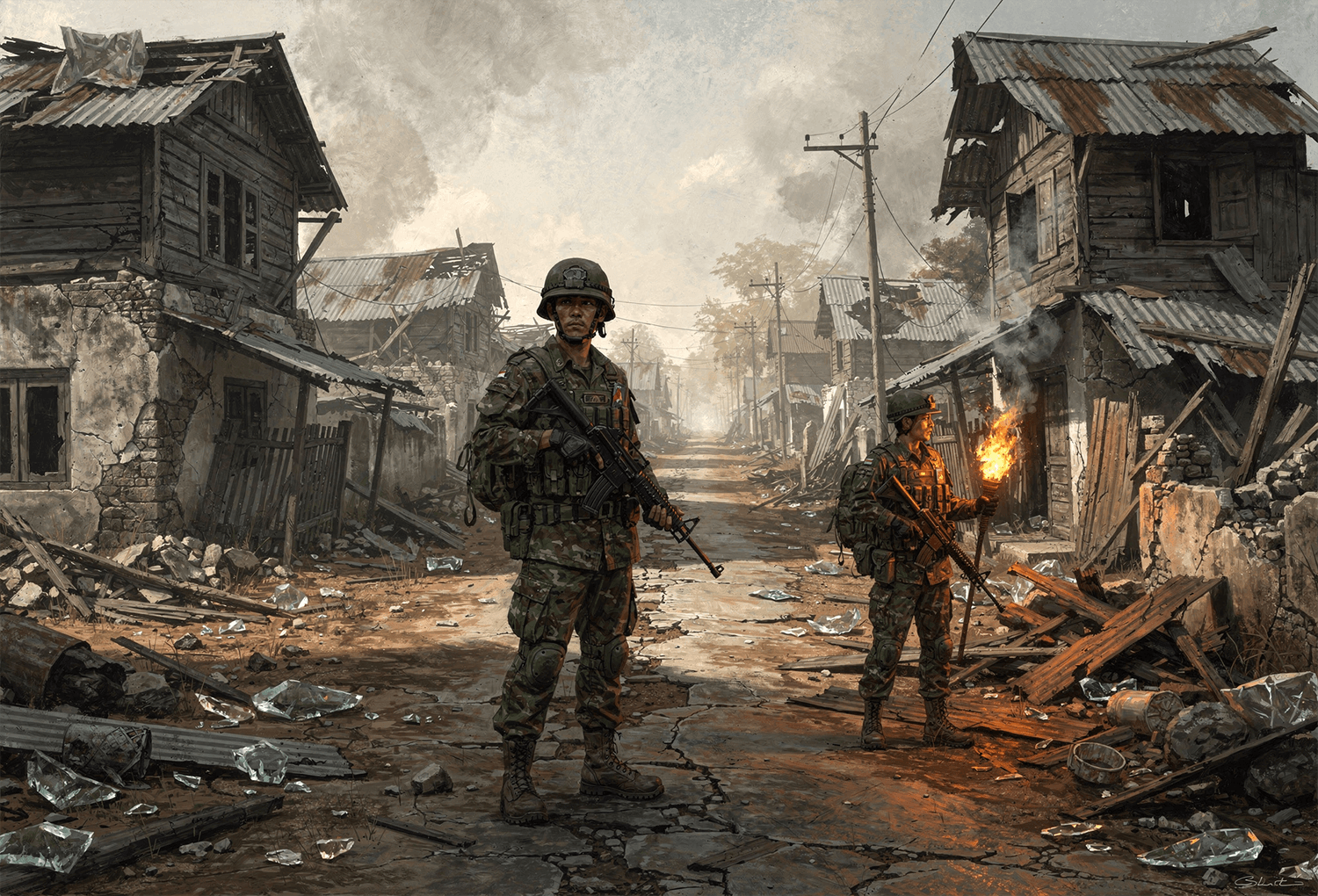
The "Domicide" Report: Systematic Destruction of Civilian Housing
This topic addresses the deliberate "scorched earth" tactics where entire villages and urban neighborhoods are leveled to prevent resistance governance.
The Focus: Analyzing the legal definition of "domicide" (the mass destruction of housing) as a crime against humanity in the context of Sagaing and Magway regions.
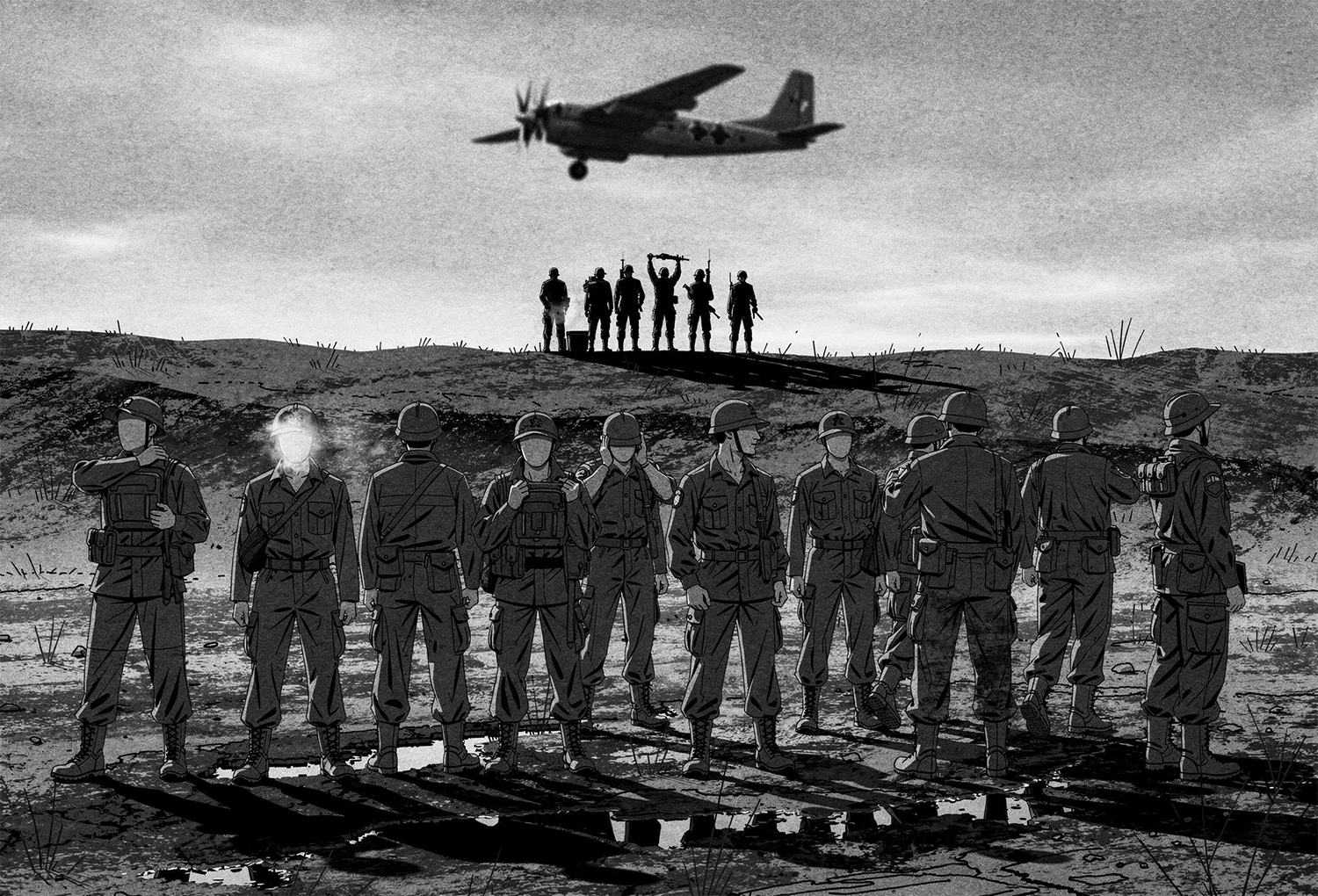
Conscription Dynamics and the "Fourth Generation" Tatmadaw
Focuses on the impact of two years of forced conscription (since Feb 2024). It examines the shift to "human-wave" infantry tactics integrated with superior air power.
The Focus: Analyzing the morale and effectiveness of newly conscripted units vs. the veteran core of Ethnic Armed Organizations (EAOs).
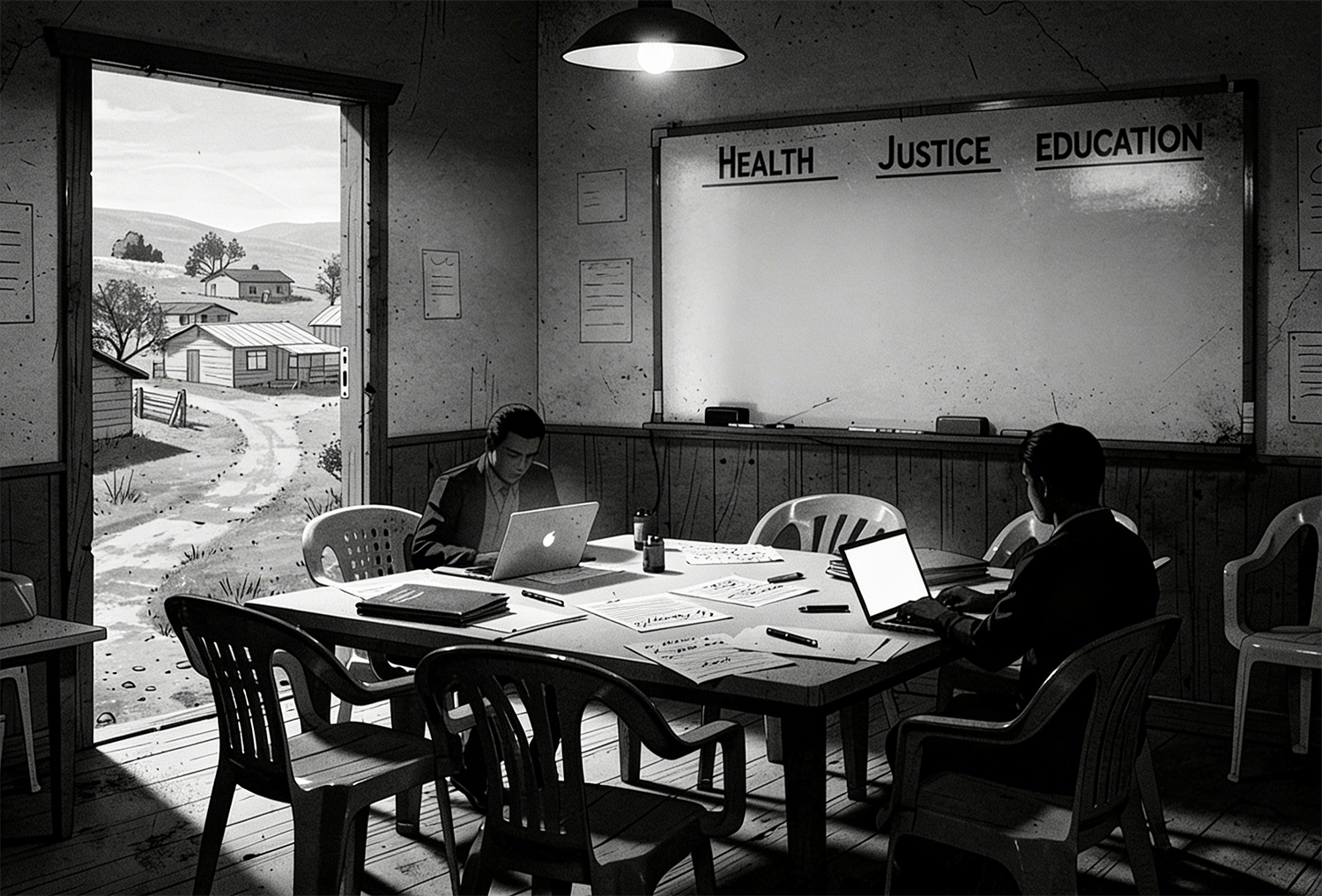
Fragmented Sovereignty: The Rise of Multi-Ethnic Councils
As resistance groups capture more territory, they are forming local governments (like the Chinland Council or Karenni IEC) that sometimes bypass the National Unity Government (NUG).
The Focus: The move from "resistance" to "governance"—how different ethnic groups are building separate state-like institutions in "liberated zones."