

The Erasure of History and the Path to Institutional Redemption
This article examines how authoritarian regimes manipulate history to retain power, focusing on the path toward institutional redemption. It highlights that true stability and public trust require militaries to withdraw from politics, submit to civilian authority, and address historical trauma through genuine dialogue rather than force.

Same Robes, Divergent Roads: The Fractured Soul of Theravada Buddhism
While a group of Theravada monks walks 2,300 miles for peace across America, others in Myanmar face accusations of inciting genocide at the International Court of Justice. This article explores how monks sharing the same scriptures and robes have diverged into radical nationalist violence and universal compassion.

Myanmar’s Spring Revolution and the Inclusivity Trap: A Strategic Stranglehold
The Spring Revolution in Myanmar united diverse ethnic and social groups against military rule, turning broad coalition-building into a powerful catalyst. However, unmanaged inclusivity has created strategic bottlenecks. This article explores how balancing diversity with effective decision-making and context-specific leadership is vital to avoiding a stalemate and achieving lasting democracy.
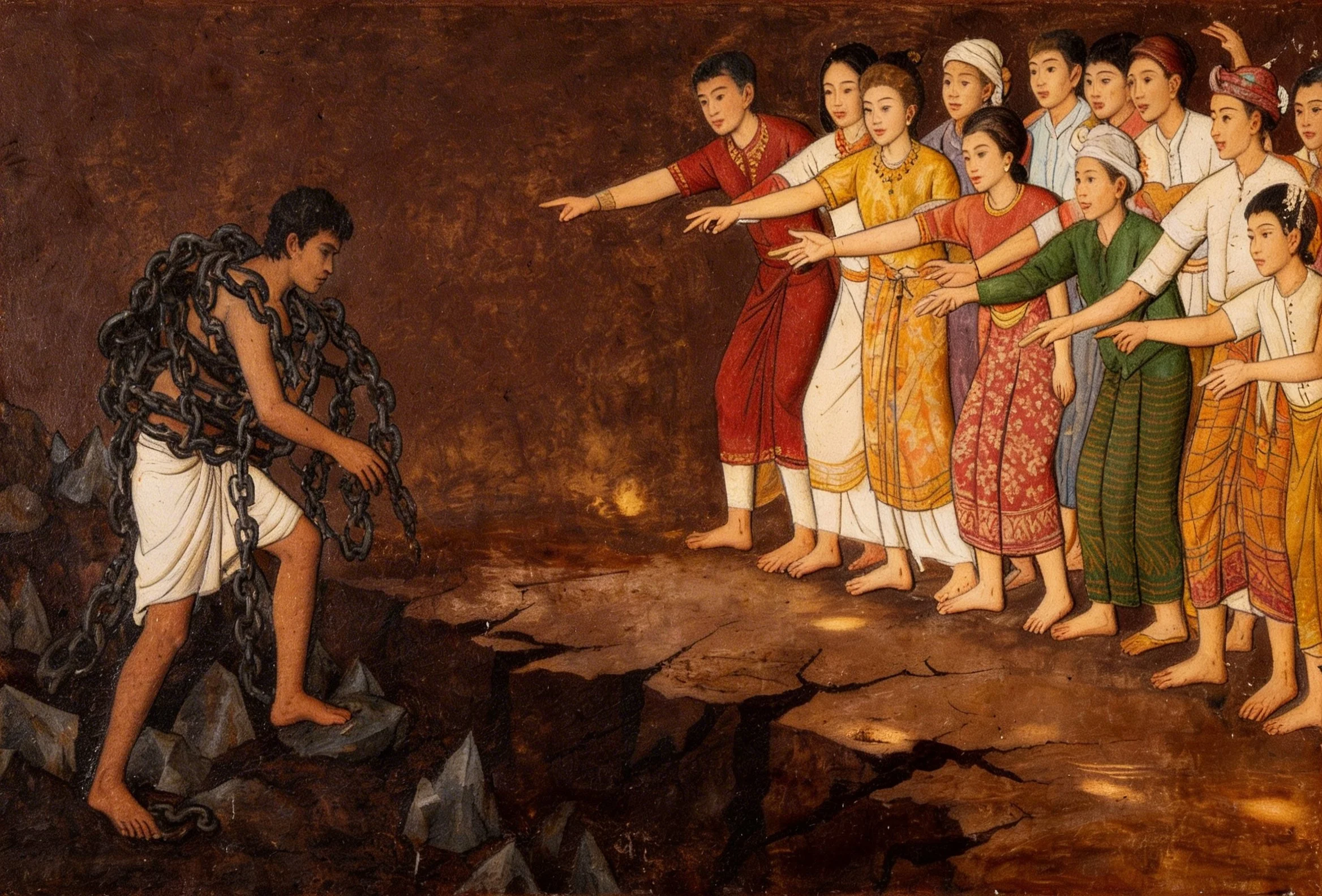
The Anatomy of Blame: Scapegoating and the Challenge to Myanmar’s Unity
In Myanmar's struggle for democracy, unresolved frustration often leads to scapegoating—projecting collective failures onto vulnerable or convenient targets. Grounded in social psychology and ancient origins, this article examines how "displaced accountability" undermines trust among anti-dictatorship forces, stressing the need for fact-based dialogue to build a unified federal future.