
Analytica
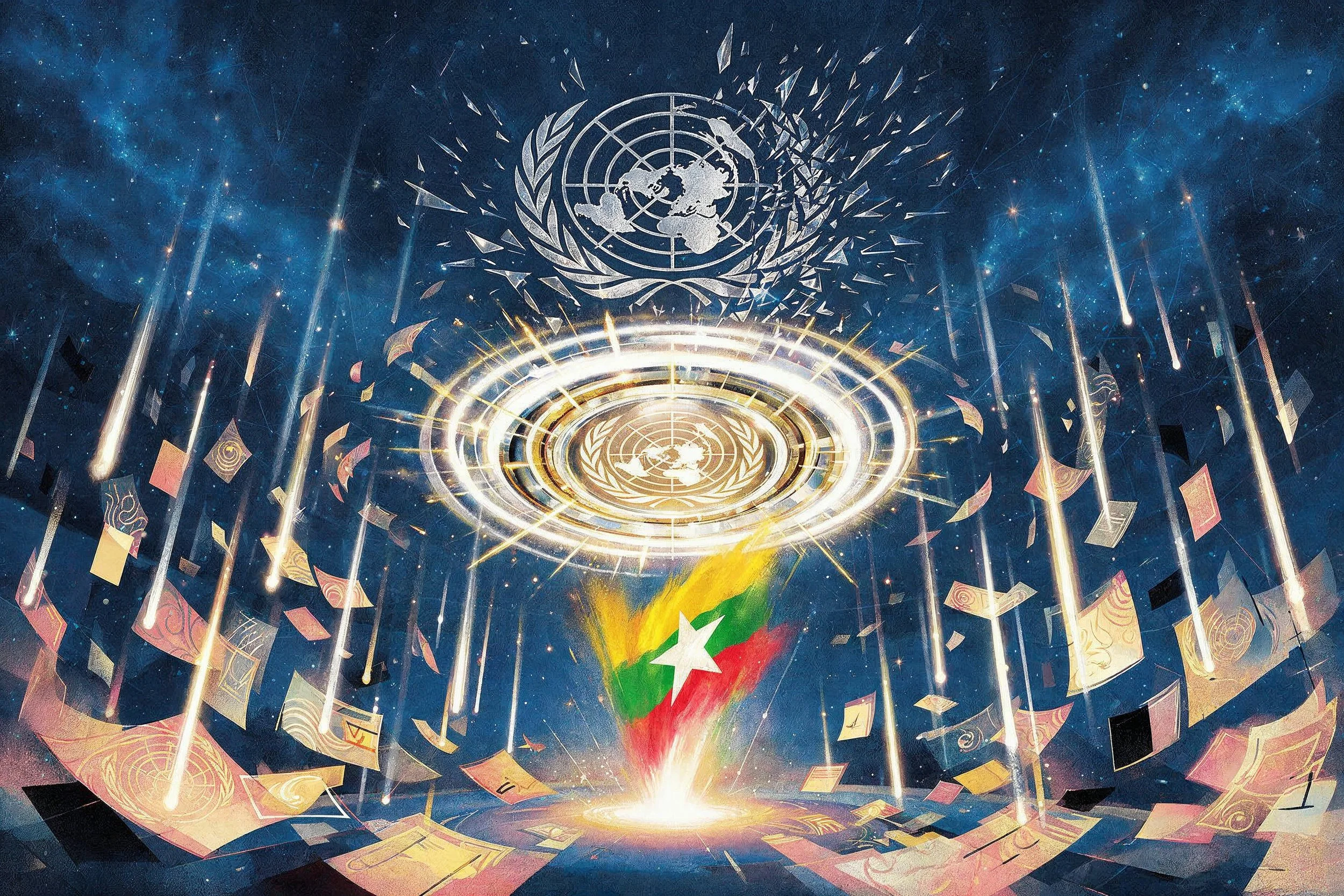
Min Aung Hlaing has reconstituted the military junta he leads into a nominal civilian government and elevated himself to president. Following this shift, the regime has mounted a diplomatic offensive to seat its representatives at the United Nations. However, the military junta is unlikely to secure Myanmar’s seat; the balance of probability heavily favors the incumbent delegation led by Ambassador Kyaw Moe Tun retaining its accreditation.
While some observers contend that China and Russia could exert decisive influence over select members of the Credentials Committee, the incumbent delegation still has the advantage. This resilience is anchored in the procedural protections of UN "Rule 29," alongside the pragmatic geopolitical interests and diplomatic standing of the major powers on the committee.
This article examines the historical strategic manoeuvres in China-Myanmar relations, China’s diplomatic approach toward the military junta following the 2021 military coup, and the potential geopolitical and geoeconomic benefits China stands to gain should it provide long-term support to the Spring Revolution, analysed through the lens of selected international relations theories.
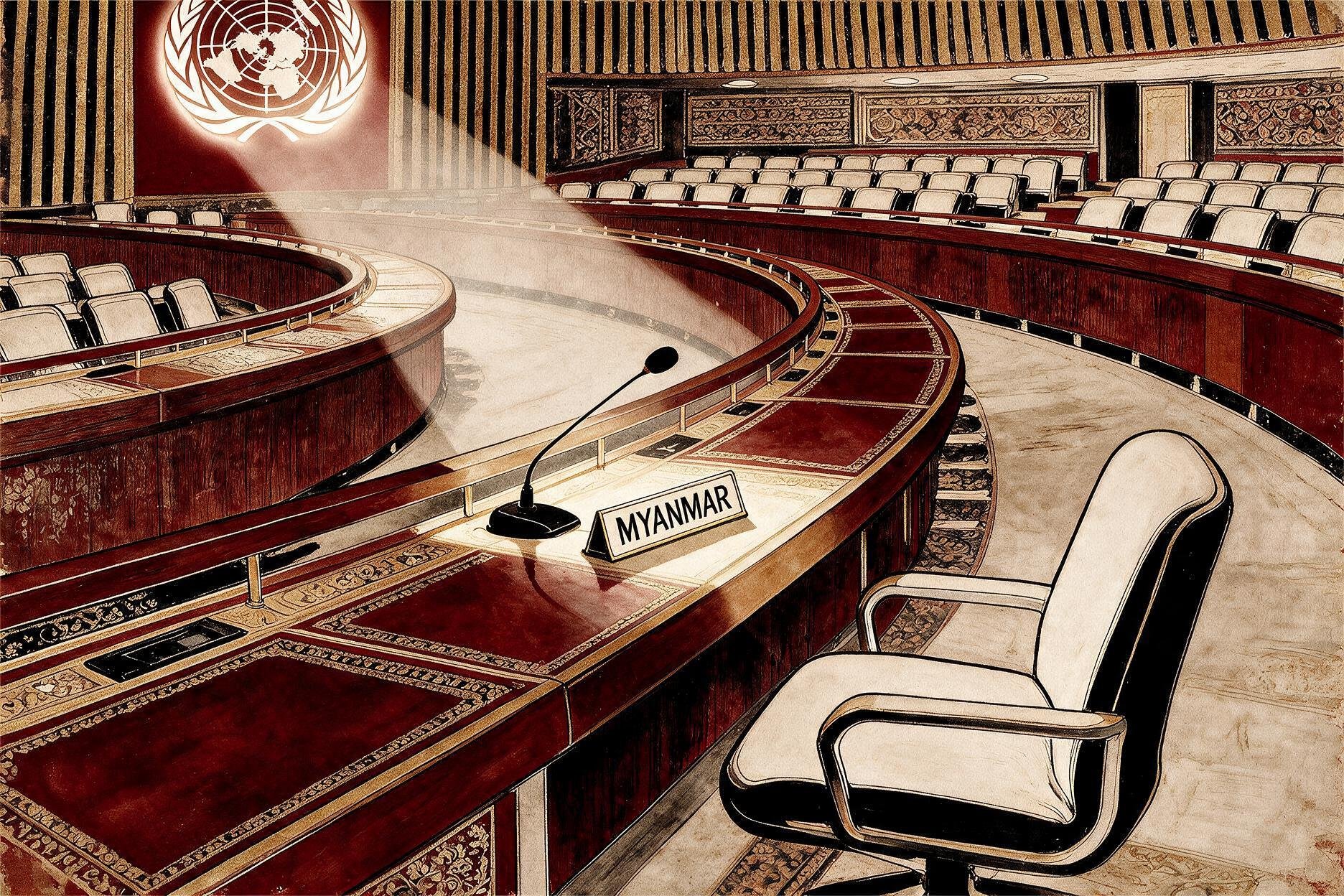
Despite international sanctions and ASEAN exclusion, the Myanmar regime has cultivated alternative multipolar ties to project an illusion of international legitimacy. Aiming to leverage these connections to claim Myanmar’s seat at the United Nations, the regime faces steep structural barriers. UN credentials precedents, major-power realpolitik, and fractured regional dynamics ensure this diplomatic gambit will ultimately fail.
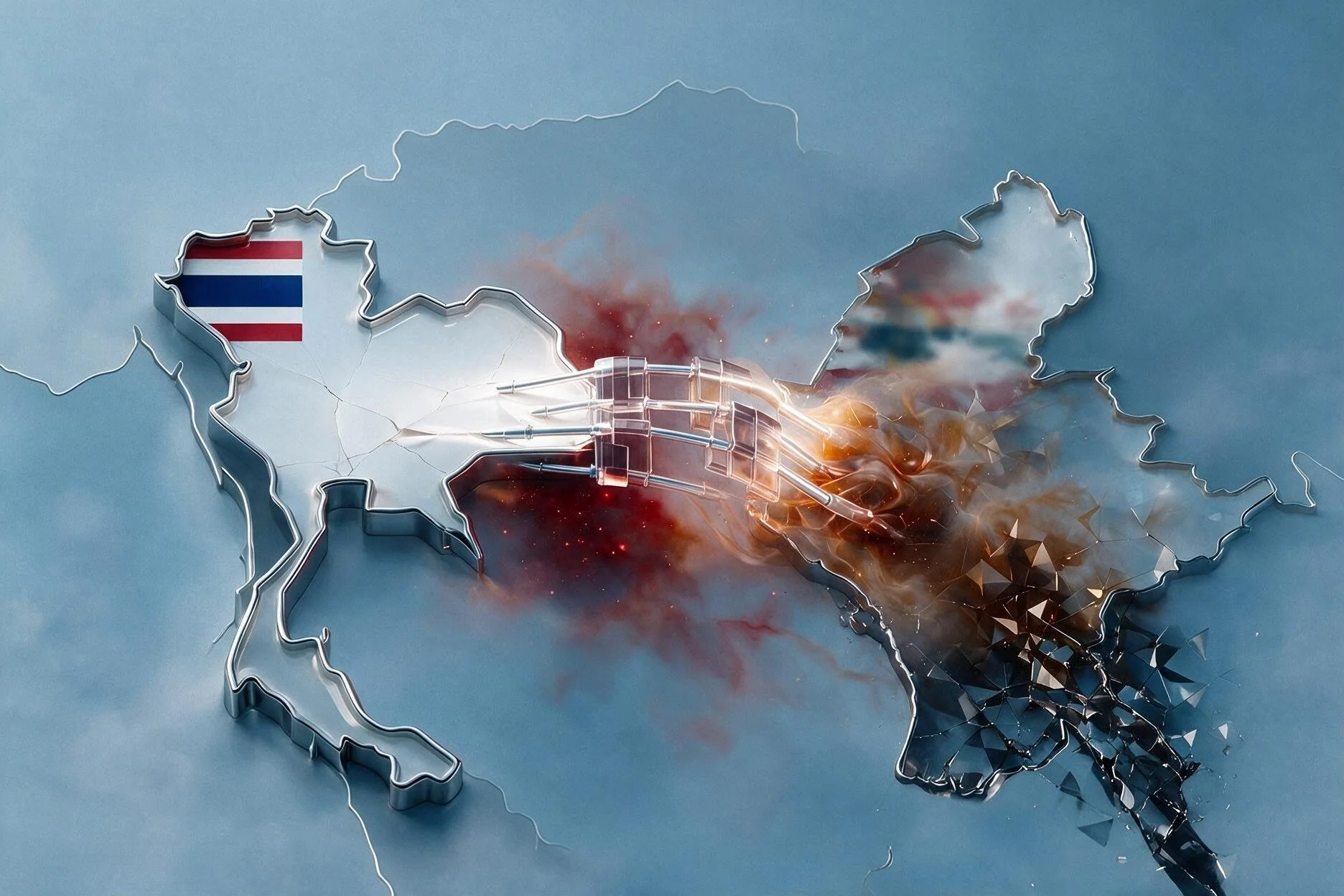
This article analyses Thailand’s historically transactional policy toward Myanmar and argues that recent efforts to engage military chief Min Aung Hlaing represent a major strategic error. By ignoring resistance gains, lost border control, and economic collapse, Bangkok risks damaging its international standing, long-term security, and future relations with the Myanmar people.

Following the 2021 military coup in Myanmar, the junta has dismissed international peace initiatives as "internal interference." However, a closer examination of the ASEAN and UN Charters reveals that these diplomatic efforts—and the mandate for inclusive dialogue—align fully with international law and collective regional security responsibilities.
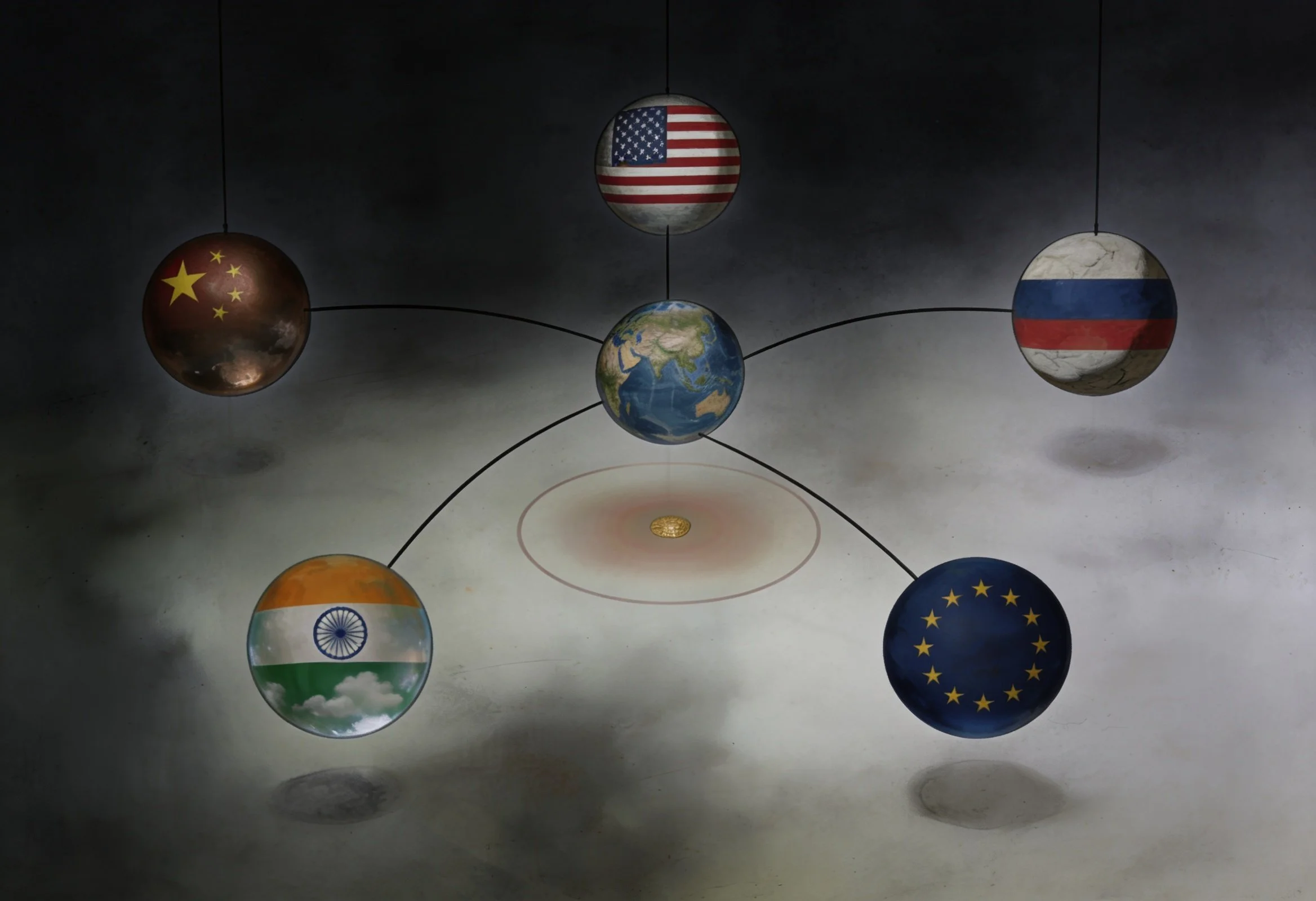
As the post-WWII international order fractures, the world is transitioning into a complex multipolar era. Examining shifts in global power, technological disruption, and domestic governance models like federal democracy, this article introduces "political gravity"—a framework of shared norms and institutions essential for maintaining stability amid growing global diversity.