
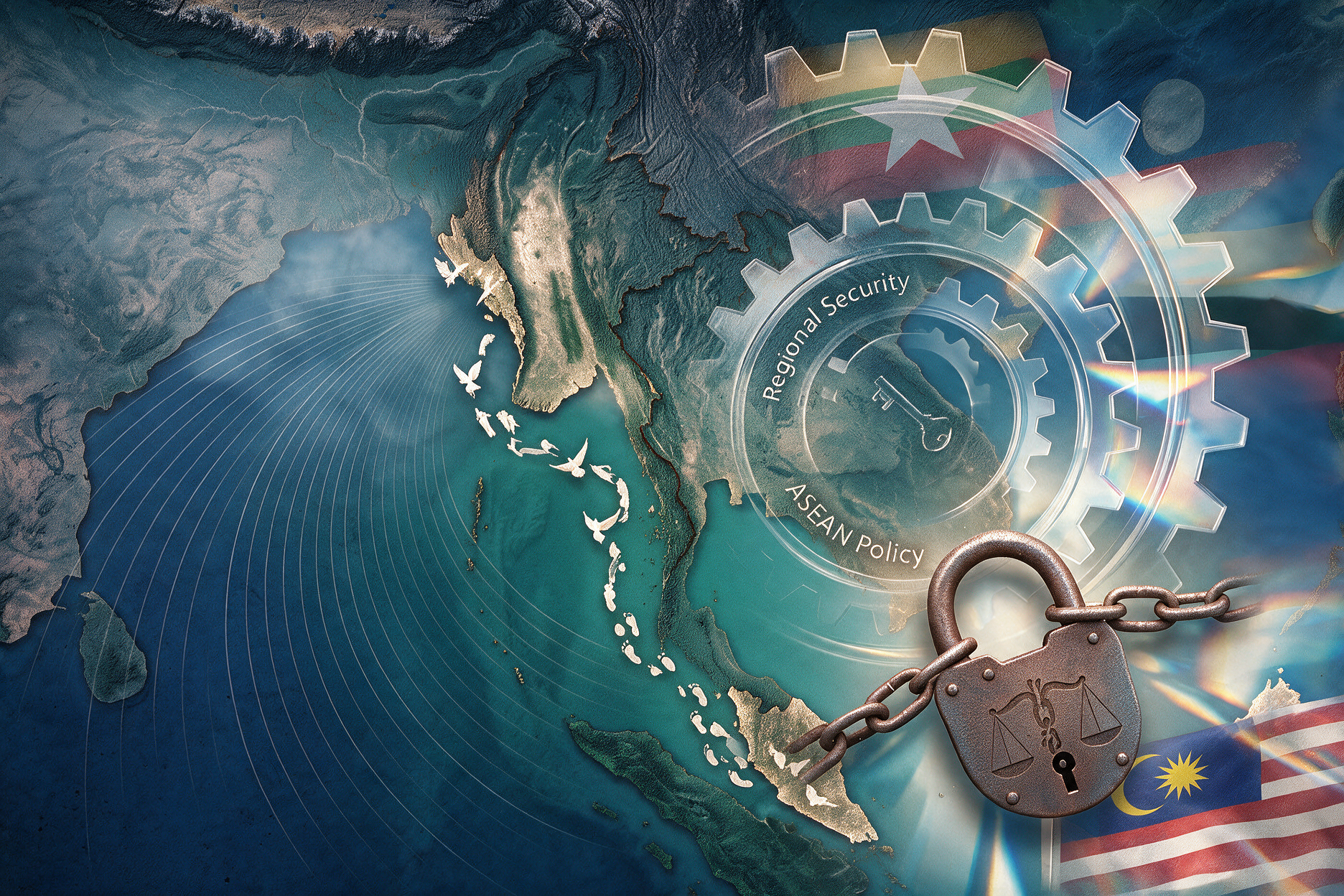
Repatriation of Rohingya Refugees and Malaysia’s Anomalous Diplomatic Footing
In the shadow of impending domestic elections, Malaysia’s abrupt shift toward bilateral repatriation talks with Myanmar’s military junta marks an alarming departure from its historic humanitarian advocacy. Prime Minister Anwar Ibrahim’s initiative to directly engage military leader Min Aung Hlaing over the phased return of roughly 200,000 Rohingya refugees prioritises short-term domestic political expedience at the expense of established regional norms. This approach threatens to dismantle ASEAN’s Five-Point Consensus by extending de facto diplomatic legitimacy to an internationally isolated regime currently facing genocide proceedings before the International Court of Justice. Crucially, engineering returns to an active war zone directly breaches the customary international law principle of non-refoulement, imperilling vulnerable refugees and fundamentally compromising Malaysia’s diplomatic standing.
Myanmar Affairs and China’s Strategic Gambit
This article examines the historical strategic manoeuvres in China-Myanmar relations, China’s diplomatic approach toward the military junta following the 2021 military coup, and the potential geopolitical and geoeconomic benefits China stands to gain should it provide long-term support to the Spring Revolution, analysed through the lens of selected international relations theories.
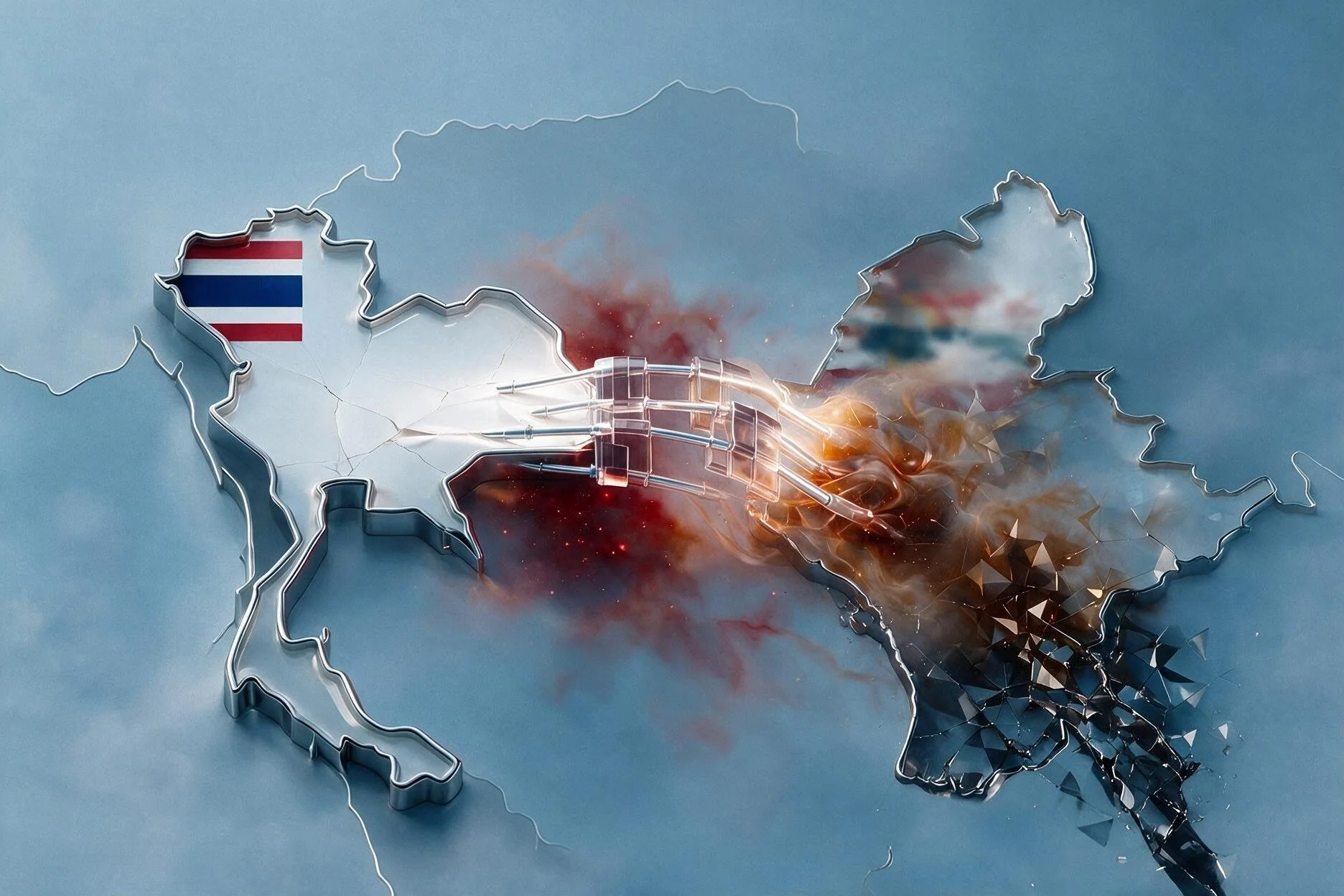
Thailand’s Transactional Diplomacy And Its Strategic Miscalculation Regarding The Myanmar Revolution
This article analyses Thailand’s historically transactional policy toward Myanmar and argues that recent efforts to engage military chief Min Aung Hlaing represent a major strategic error. By ignoring resistance gains, lost border control, and economic collapse, Bangkok risks damaging its international standing, long-term security, and future relations with the Myanmar people.