
Perspective
Featured
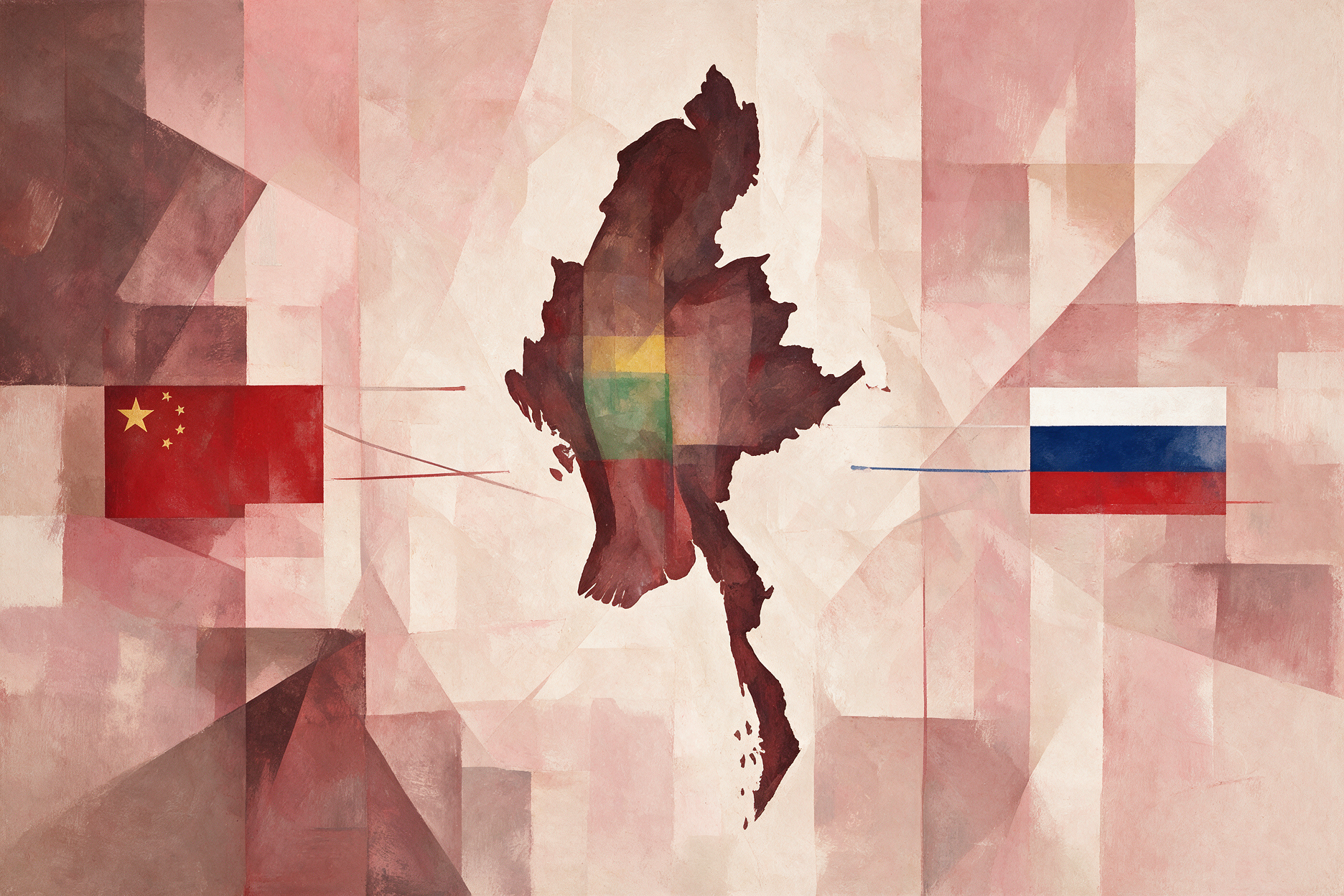
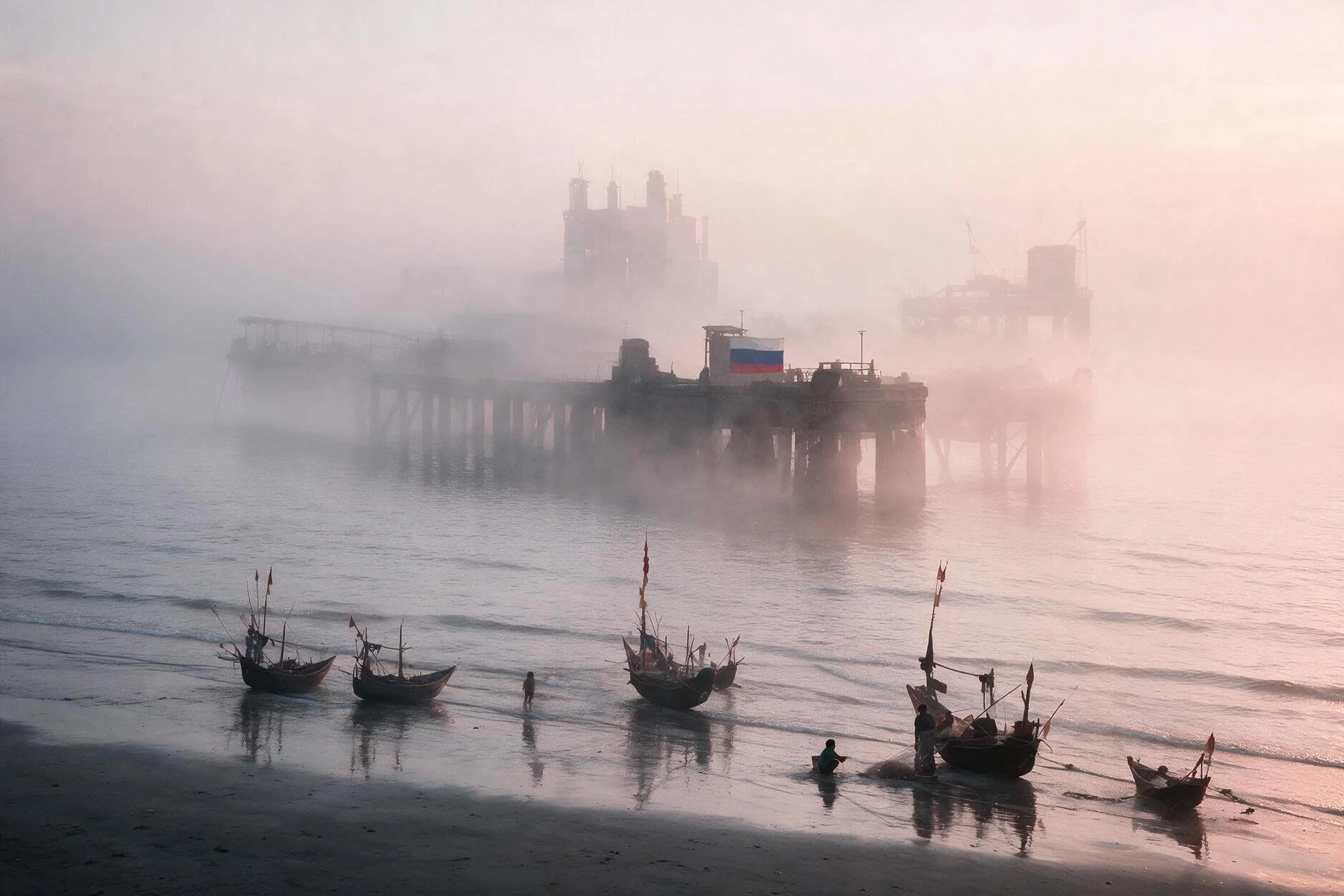
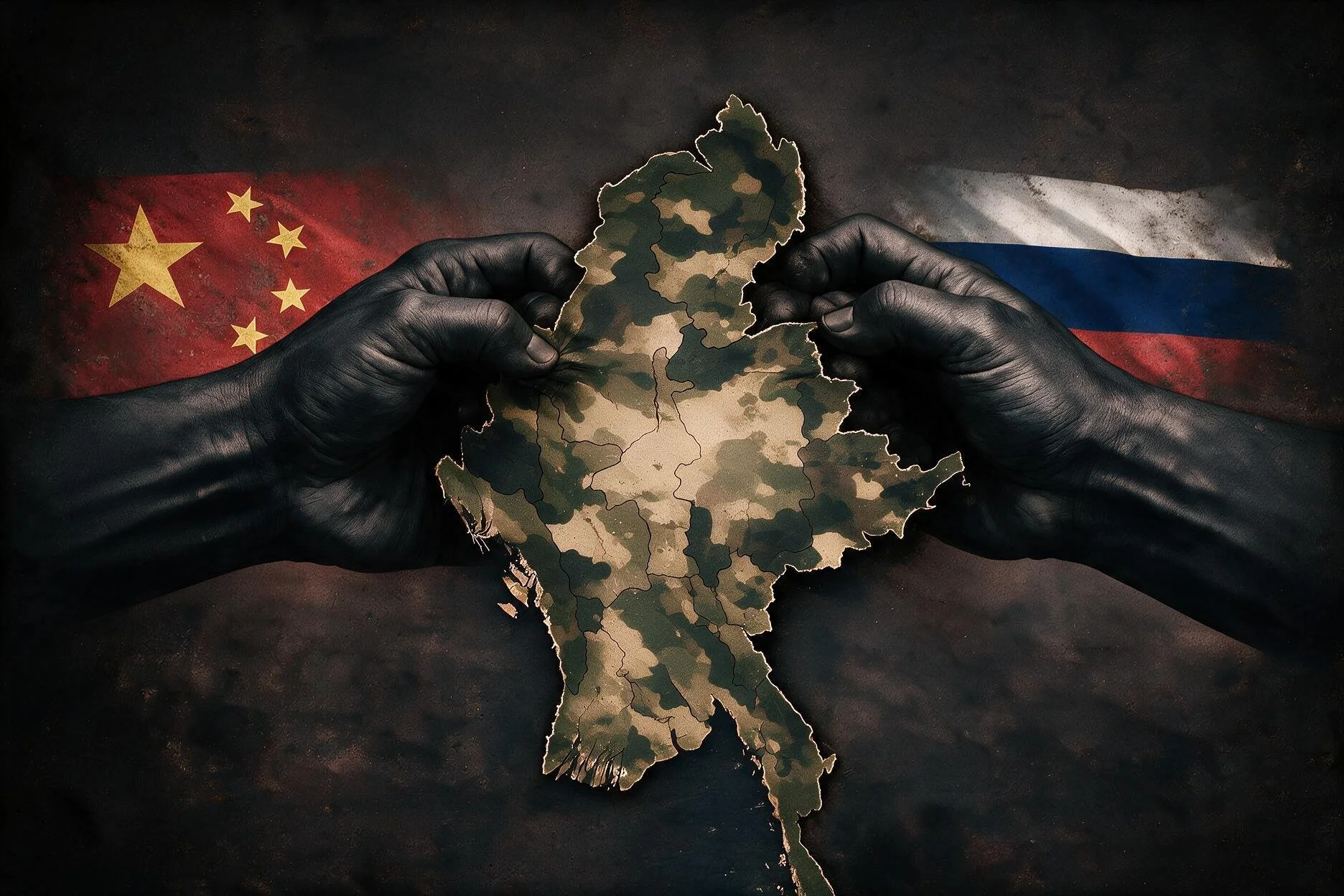


While Beijing and Moscow project global solidarity, Naypyidaw’s overtures to Russia over the strategic Dawei deep-sea port have exposed clear transactional limits. Seeking a counterweight to China’s regional dominance, the military-led regime risks provoking Beijing, which is countering Moscow’s maritime encroachment through quiet commercial containment, economic leverage, and accelerated corridor investments.
Naypyidaw has turned to Moscow to revive the long-stalled Dawei Special Economic Zone, offering majority ownership concessions to secure critical energy and maritime investments. However, this ambitious blueprint on the Andaman Sea faces formidable structural roadblocks, including active armed resistance, severe international financing constraints, and crippling baseline infrastructure deficits across southern Myanmar.
Following its transition into a military-led civilian government, Naypyidaw is aggressively courting Moscow with major oil, gas, and infrastructure concessions. Driven by deep distrust toward Beijing after Operation 1027, the regime seeks a geopolitical counterweight. However, offering majority stakes in the strategic Dawei SEZ risks compromising Myanmar’s sovereignty for short-term political survival.
Five years after launching a devastating coup, Senior General Min Aung Hlaing’s attempt to legitimise his rule through staged elections has collapsed against firm diplomatic resistance. Blocked by ASEAN from returning to full summit representation, the junta chief’s hostile threats to reject regional mediation signal a deeply cornered regime retreating into strategic isolation rather than projecting strength.
Myanmar’s Spring Revolution faces critical internal challenges. Beyond fighting the military regime, resistance forces are increasingly strained by inter-factional rivalries and territorial disputes. This analysis explores how internal divisions and junta-led disinformation threaten the movement's strategic momentum, emphasising the urgent need for unified, democratic principles during the revolution.
While a group of Theravada monks walks 2,300 miles for peace across America, others in Myanmar face accusations of inciting genocide at the International Court of Justice. This article explores how monks sharing the same scriptures and robes have diverged into radical nationalist violence and universal compassion.