
Strategic Review
Featured
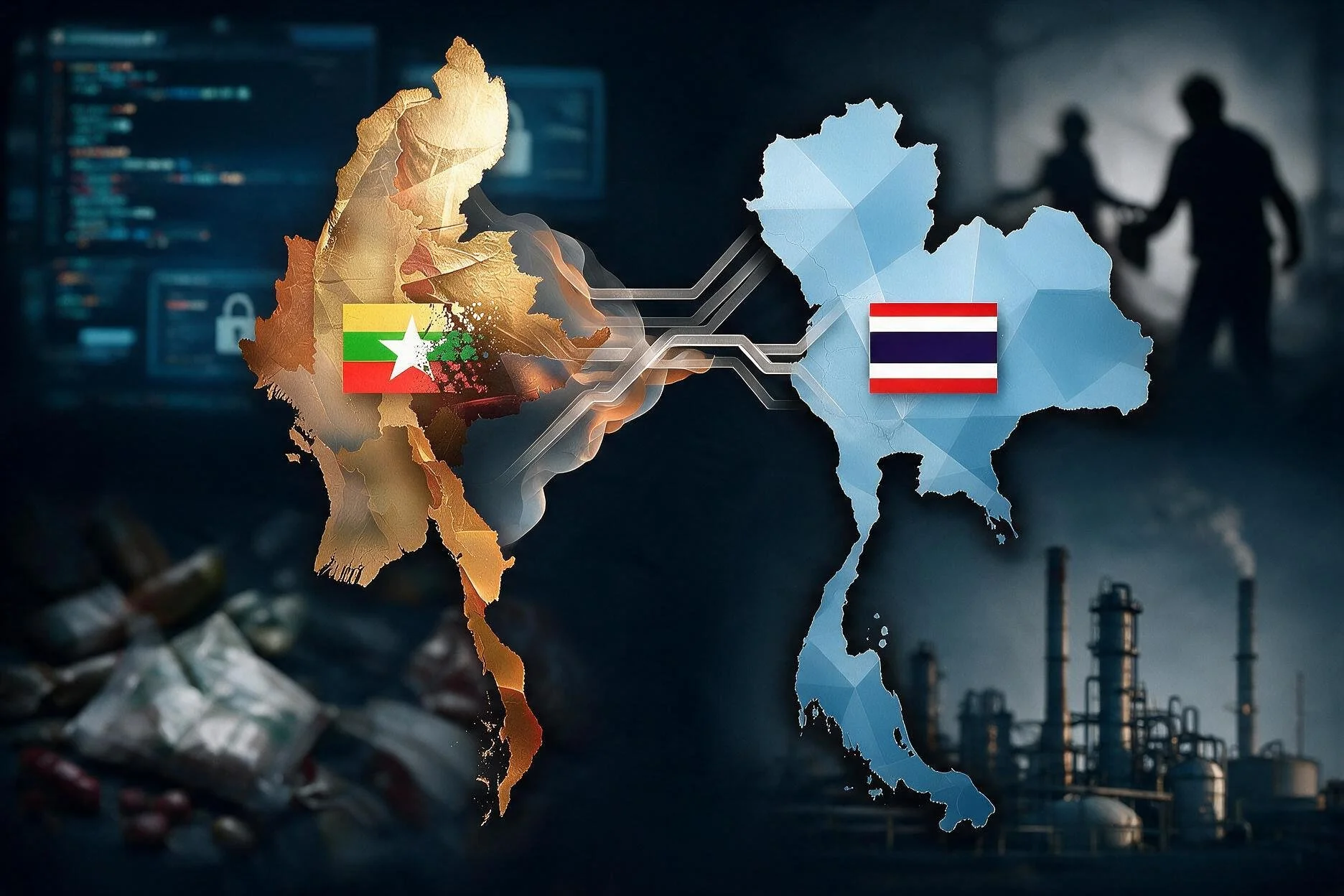


As Myanmar’s military intensifies pressure on Bangkok to choke off border supply lines feeding anti-junta resistance forces, Thailand faces a perilous strategic bind. Balancing vital offshore natural gas supplies and billions in frontier trade against rising cross-border crime and armed conflict, Bangkok must navigate between regime demands and the reality of non-state border control.
This critical analysis examines whether the recent informal Pattaya meeting advances ASEAN’s Five-Point Consensus or merely offers Myanmar’s military junta a path to political legitimacy. It reveals how intersecting Thai national interests, junta survival strategies, and legacy peace frameworks threaten to undermine a genuine resolution to Myanmar’s crisis.
This article examines how authoritarian regimes manipulate history to retain power, focusing on the path toward institutional redemption. It highlights that true stability and public trust require militaries to withdraw from politics, submit to civilian authority, and address historical trauma through genuine dialogue rather than force.
The Spring Revolution in Myanmar united diverse ethnic and social groups against military rule, turning broad coalition-building into a powerful catalyst. However, unmanaged inclusivity has created strategic bottlenecks. This article explores how balancing diversity with effective decision-making and context-specific leadership is vital to avoiding a stalemate and achieving lasting democracy.