
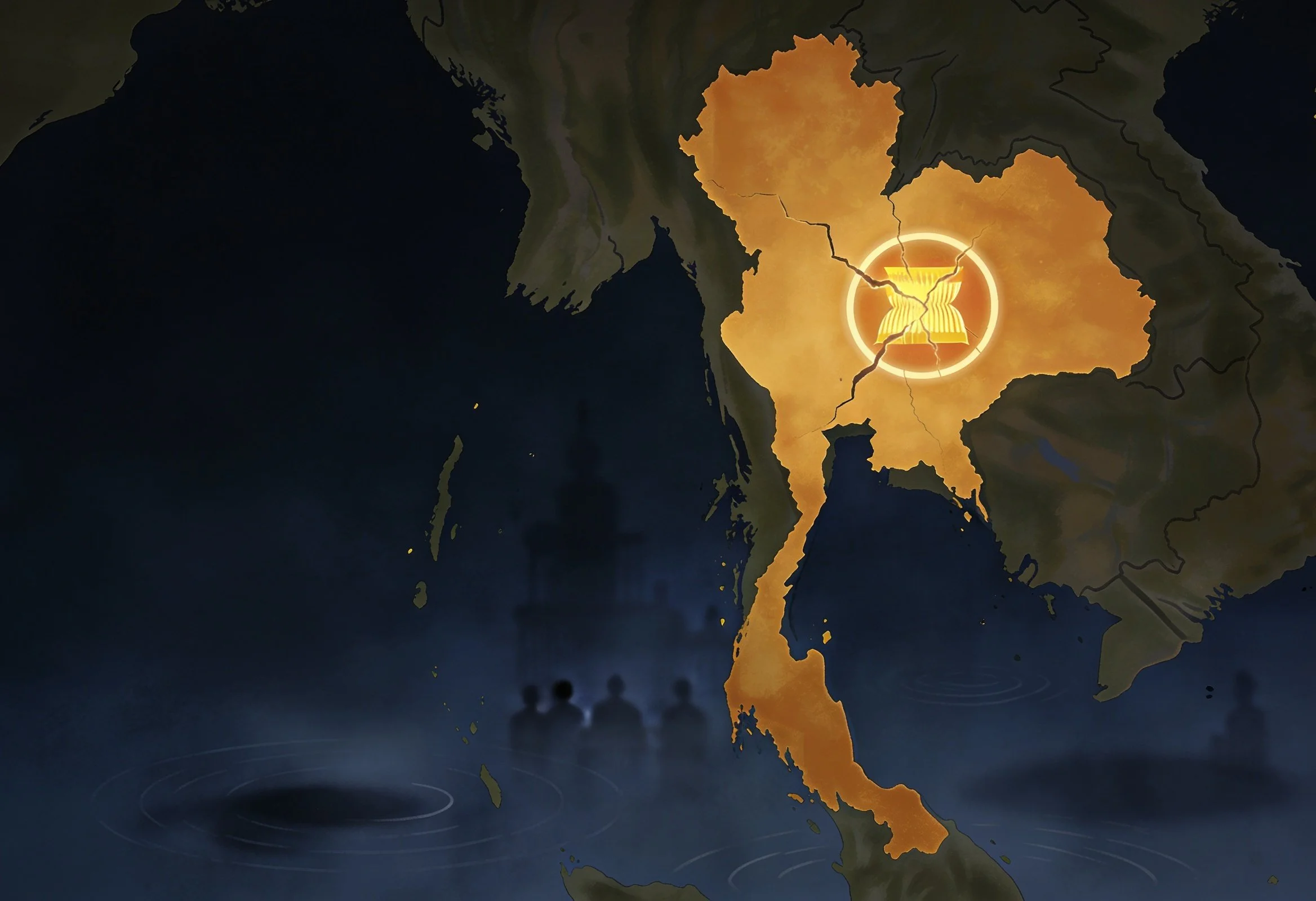
The Pattaya Meeting on Myanmar: Reviving the Five-Point Consensus—or Providing the Military Junta with a Political Lifeline?
This critical analysis examines whether the recent informal Pattaya meeting advances ASEAN’s Five-Point Consensus or merely offers Myanmar’s military junta a path to political legitimacy. It reveals how intersecting Thai national interests, junta survival strategies, and legacy peace frameworks threaten to undermine a genuine resolution to Myanmar’s crisis.

ASEAN’s Actions on Myanmar Do Not Constitute Interference in Internal Affairs: An Analysis of the Myanmar Crisis Through International Law Under the UN and ASEAN Charters
Following the 2021 military coup in Myanmar, the junta has dismissed international peace initiatives as "internal interference." However, a closer examination of the ASEAN and UN Charters reveals that these diplomatic efforts—and the mandate for inclusive dialogue—align fully with international law and collective regional security responsibilities.

Nominal Sovereignty: How Realpolitik and Regime Survival Are Eroding Myanmar’s Statehood
Since the 2021 military coup, Myanmar's statehood has fractured under authoritarian rule. Denied domestic legitimacy, the junta relies on foreign powers—China, India, and Russia—who exploit its isolation for strategic resources. This erosion of popular sovereignty and territorial control traps the nation in a dangerous downward spiral toward complete state collapse.

The Erasure of History and the Path to Institutional Redemption
This article examines how authoritarian regimes manipulate history to retain power, focusing on the path toward institutional redemption. It highlights that true stability and public trust require militaries to withdraw from politics, submit to civilian authority, and address historical trauma through genuine dialogue rather than force.
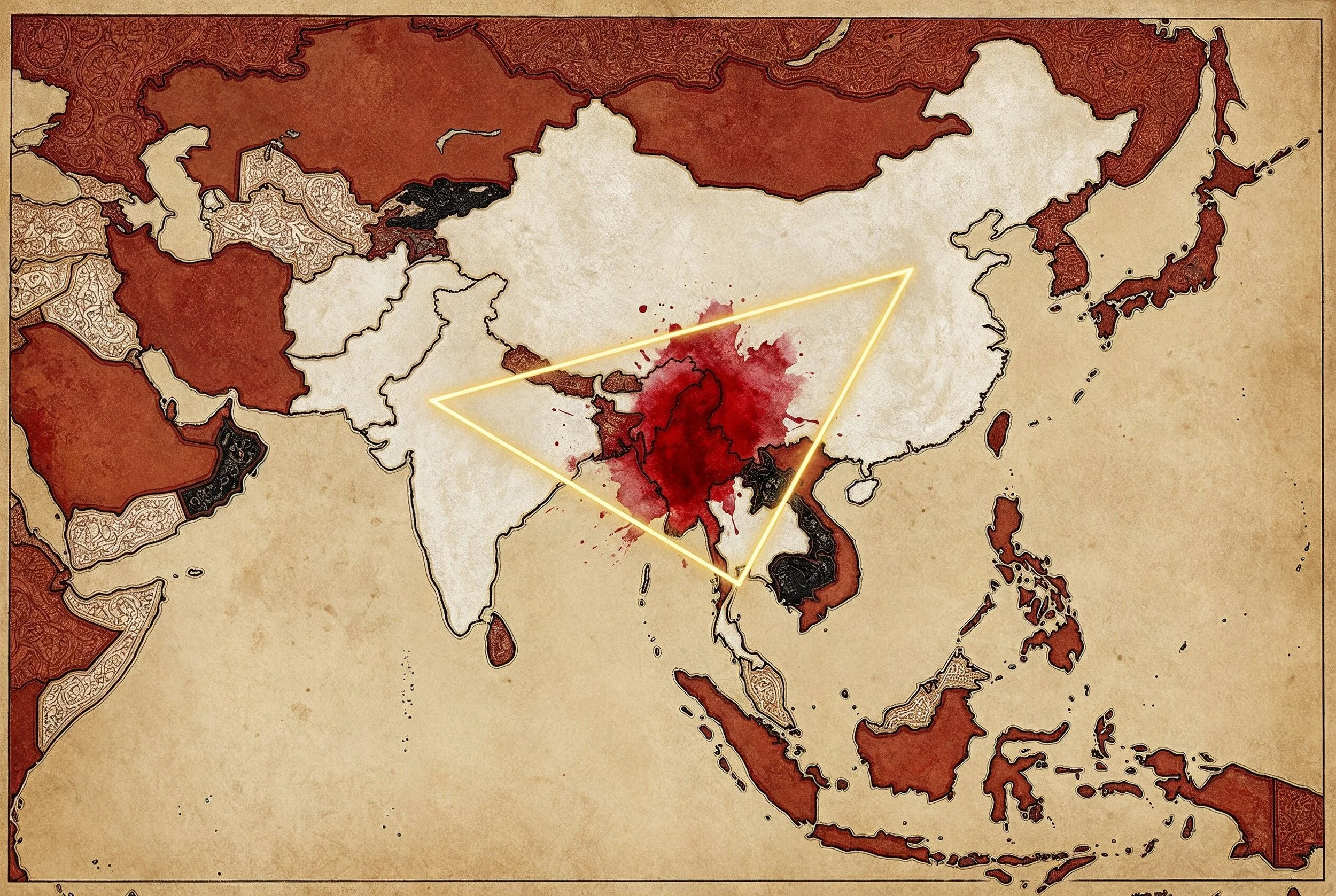
Fueling the Generals: How Myanmar’s Neighbors Are Helping Prolong Military Dictatorship
Since Myanmar’s 2021 military coup, the junta has maintained its brutal hold on power not through public legitimacy, but through regional support. This article reveals how neighbouring countries and corporations fuel the regime’s campaign of civilian violence by prioritising gas deals, trade, and strategic interests over human lives.

Myanmar’s Spring Revolution and the Inclusivity Trap: A Strategic Stranglehold
The Spring Revolution in Myanmar united diverse ethnic and social groups against military rule, turning broad coalition-building into a powerful catalyst. However, unmanaged inclusivity has created strategic bottlenecks. This article explores how balancing diversity with effective decision-making and context-specific leadership is vital to avoiding a stalemate and achieving lasting democracy.
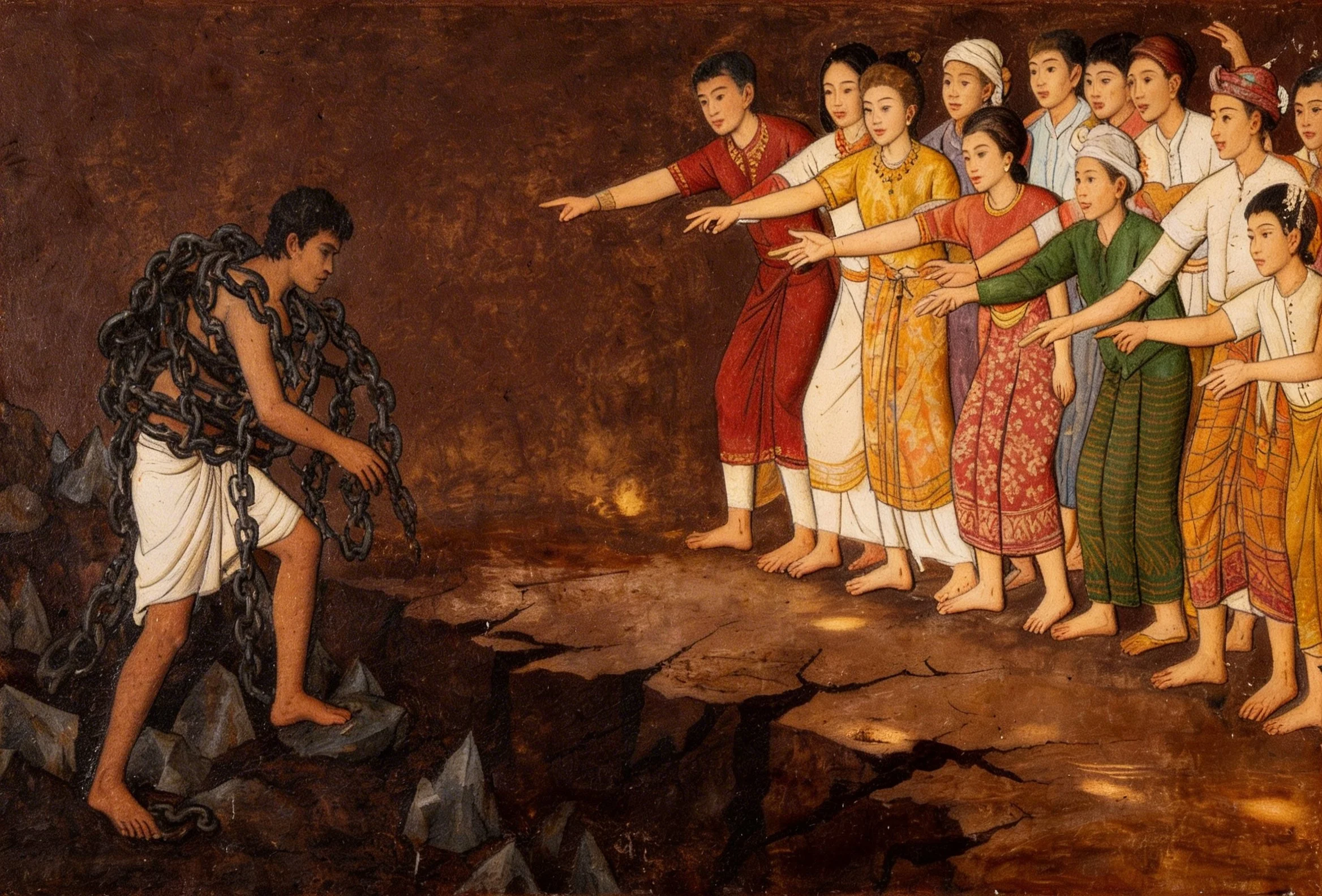
The Anatomy of Blame: Scapegoating and the Challenge to Myanmar’s Unity
In Myanmar's struggle for democracy, unresolved frustration often leads to scapegoating—projecting collective failures onto vulnerable or convenient targets. Grounded in social psychology and ancient origins, this article examines how "displaced accountability" undermines trust among anti-dictatorship forces, stressing the need for fact-based dialogue to build a unified federal future.