
Policy Brief
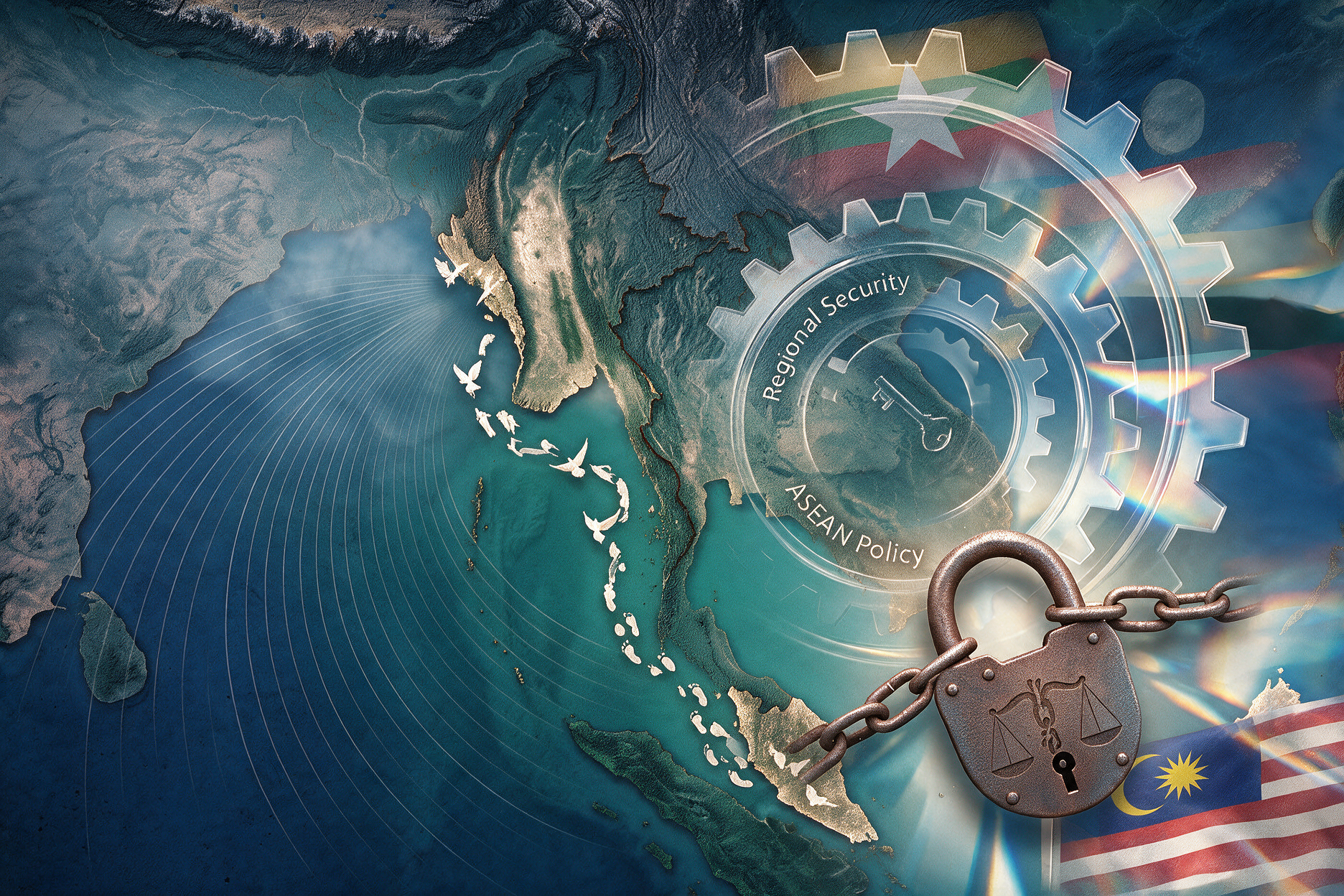
In the shadow of impending domestic elections, Malaysia’s abrupt shift toward bilateral repatriation talks with Myanmar’s military junta marks an alarming departure from its historic humanitarian advocacy. Prime Minister Anwar Ibrahim’s initiative to directly engage military leader Min Aung Hlaing over the phased return of roughly 200,000 Rohingya refugees prioritises short-term domestic political expedience at the expense of established regional norms. This approach threatens to dismantle ASEAN’s Five-Point Consensus by extending de facto diplomatic legitimacy to an internationally isolated regime currently facing genocide proceedings before the International Court of Justice. Crucially, engineering returns to an active war zone directly breaches the customary international law principle of non-refoulement, imperilling vulnerable refugees and fundamentally compromising Malaysia’s diplomatic standing.

On August 3, 2026, the International Committee of the Red Cross met privately with detained leader Daw Aung San Suu Kyi in Naypyidaw. This brief analyses the event, Burmese political reactions, and historical precedents of regime-ICRC interactions to outline strategic policy recommendations for revolutionary actors and international partners.
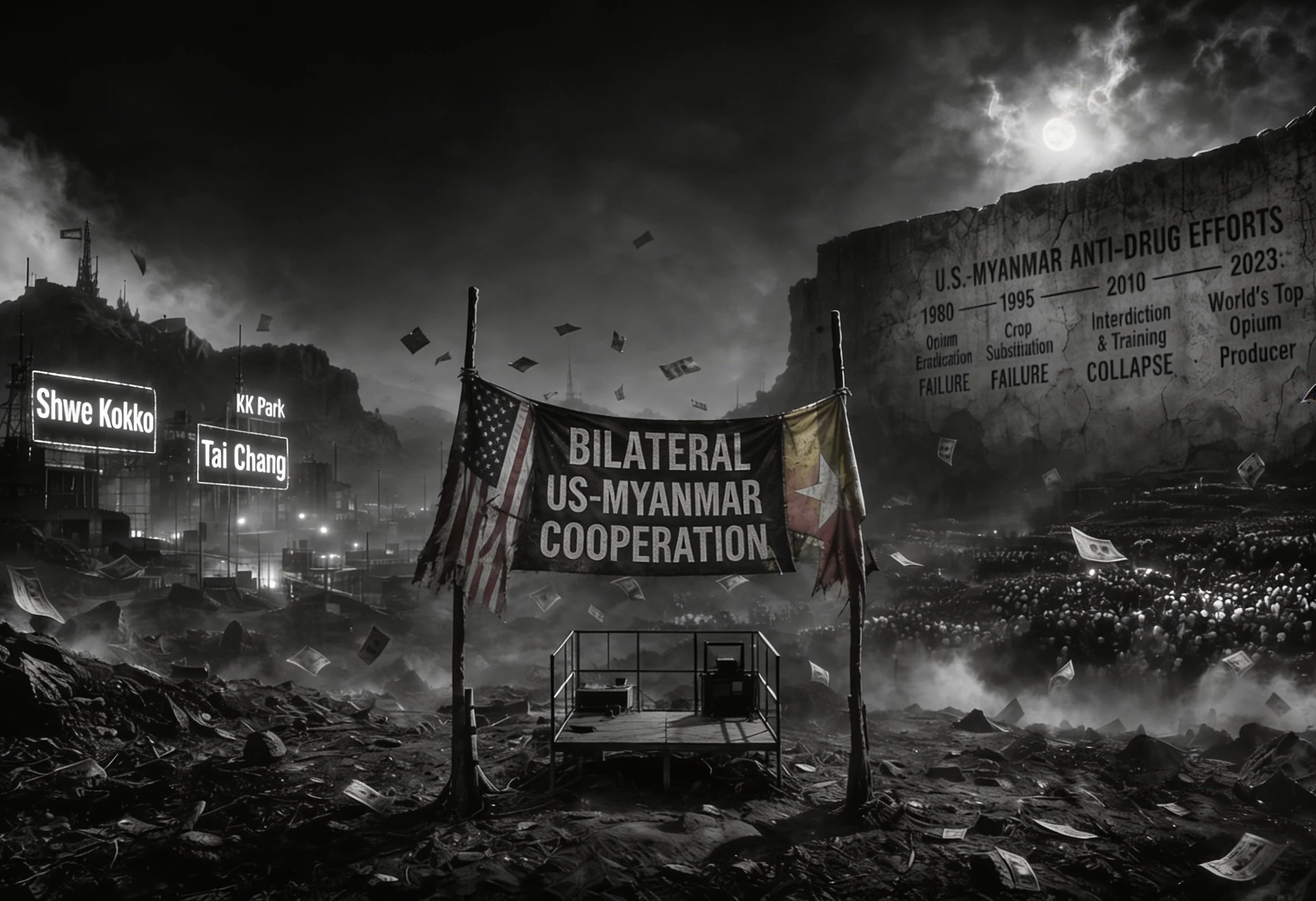
In late June 2026, U.S. officials quietly met with Myanmar’s military regime to discuss tackling Southeast Asian cyberscam centres. However, history warns that partnering with the junta—a primary beneficiary of this criminal enterprise—mirrors past failed anti-narcotics efforts, risking taxpayer dollars and granting unearned legitimacy to an oppressive regime.

Since the 2021 military coup, Myanmar's statehood has fractured under authoritarian rule. Denied domestic legitimacy, the junta relies on foreign powers—China, India, and Russia—who exploit its isolation for strategic resources. This erosion of popular sovereignty and territorial control traps the nation in a dangerous downward spiral toward complete state collapse.
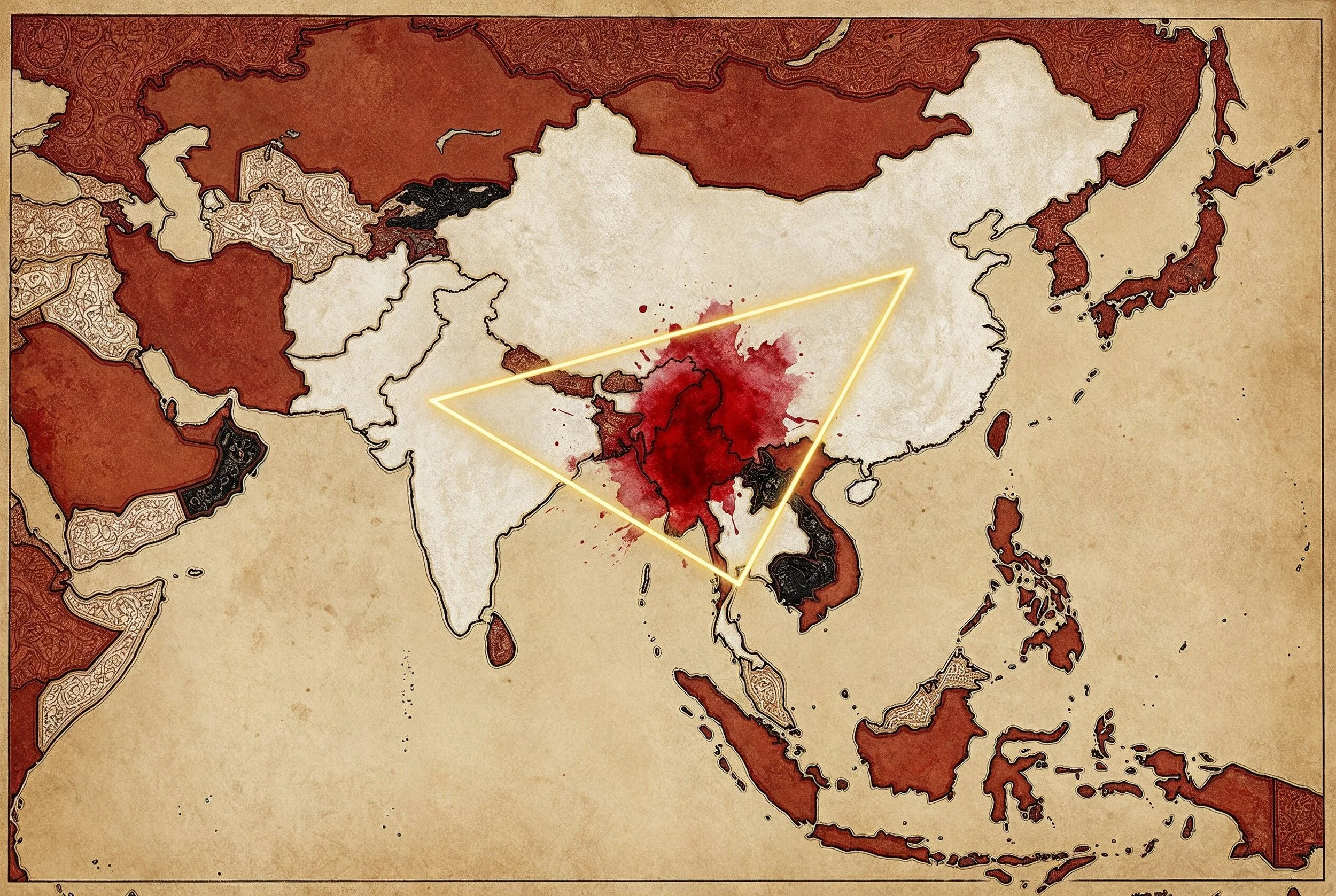
Since Myanmar’s 2021 military coup, the junta has maintained its brutal hold on power not through public legitimacy, but through regional support. This article reveals how neighbouring countries and corporations fuel the regime’s campaign of civilian violence by prioritising gas deals, trade, and strategic interests over human lives.

Five years after Myanmar’s 2021 coup, Western "smart sanctions" face a stalemate against the military junta's resilient shadow economy. Despite targeted restrictions, the regime sustains its air campaign by breaking fuel import records and exploiting regional loopholes—relying on Iranian ghost fleets, maritime evasion tactics, and a major pivot to Thai banking hubs.