

Nominal Sovereignty: How Realpolitik and Regime Survival Are Eroding Myanmar’s Statehood
The foundational promise of modern Myanmar was built on a simple, immutable truth: sovereignty resides only in the people. Enshrined in the 1947 Panglong spirit and the dawn of independence in 1948, this principle dictates that the raw power of a military junta or mere territorial ownership does not measure true statehood. Instead, it is sustained by the people’s right to choose their leaders freely, participate in political life, and democratically delegate authority.
Today, that foundation is fracturing. Buffeted by intense domestic resistance and international condemnation following the 2021 military coup and subsequent rigged elections, junta leader Min Aung Hlaing has launched a diplomatic charm offensive. His high-profile visits to powerful neighbours like China and India are not signs of state strength, but rather a calculated effort to garner international recognition and political legitimacy he lacks at home.
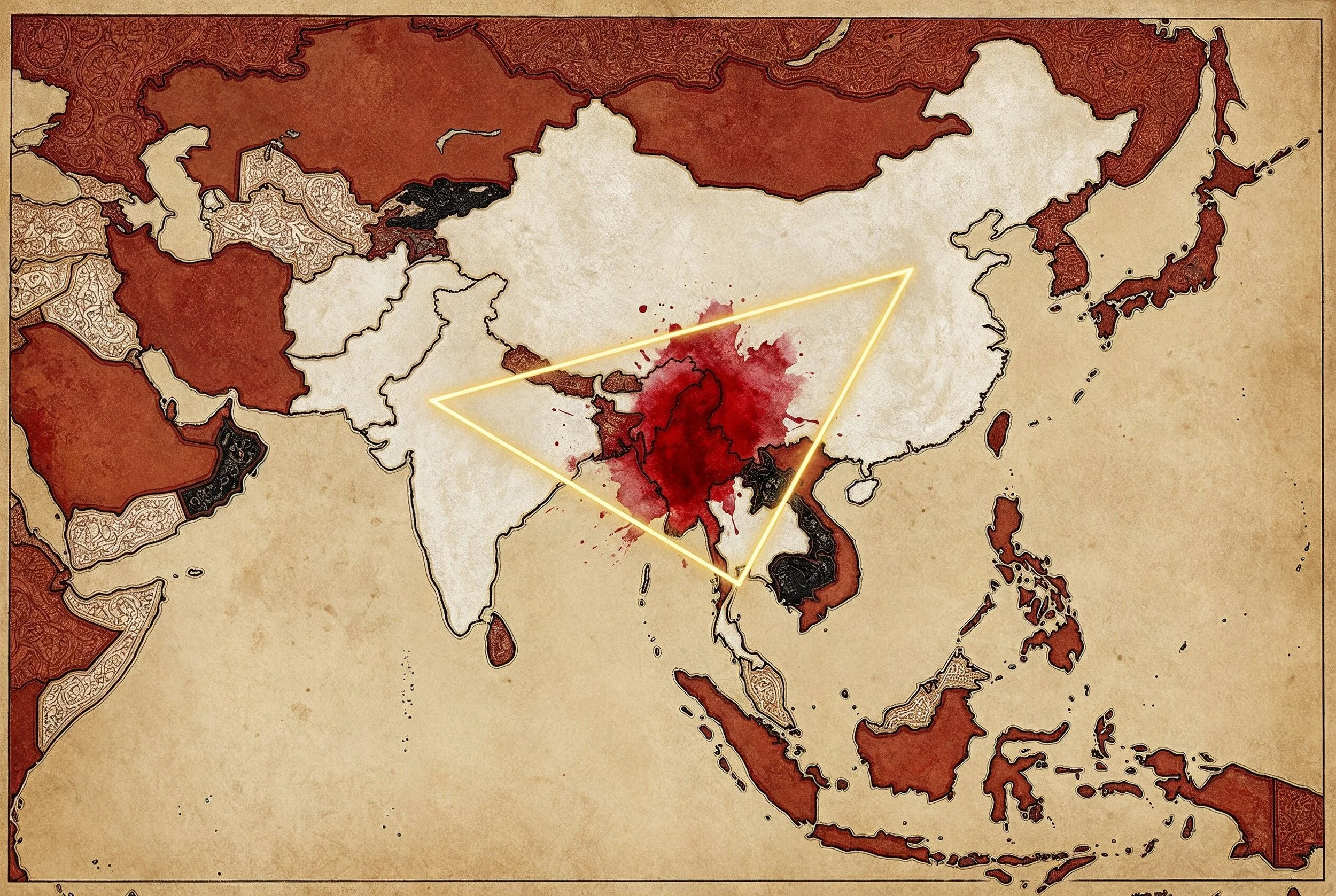
Fueling the Generals: How Myanmar’s Neighbors Are Helping Prolong Military Dictatorship
The article "Fueling the Generals" examines the external economic and political factors that have allowed Myanmar’s military junta to sustain power since the 2021 coup. It explores how neighboring nations and regional corporations provide critical lifelines that enable the regime to persist despite a lack of domestic legitimacy and ongoing internal conflict.
Ultimately, the author argues that the struggle for democracy in Myanmar is no longer just a domestic issue, but one deeply connected to the international networks that sustain the regime's economic viability.

Myanmar’s Spring Revolution and the Inclusivity Trap: A Strategic Stranglehold
The Myanmar Spring Revolution represents a landmark historical shift, unified by an unprecedented coalition of diverse ethnic groups, social classes, and generations. While this broad-based participation—termed "inclusiveness"—was the primary catalyst for the movement’s early momentum against the military dictatorship, it has recently encountered significant structural hurdles. The article argues that while inclusiveness remains a core moral and political pillar, the failure to manage its practical complexities has transformed a revolutionary strength into a strategic "trap" that threatens to stall progress toward a democratic transition.
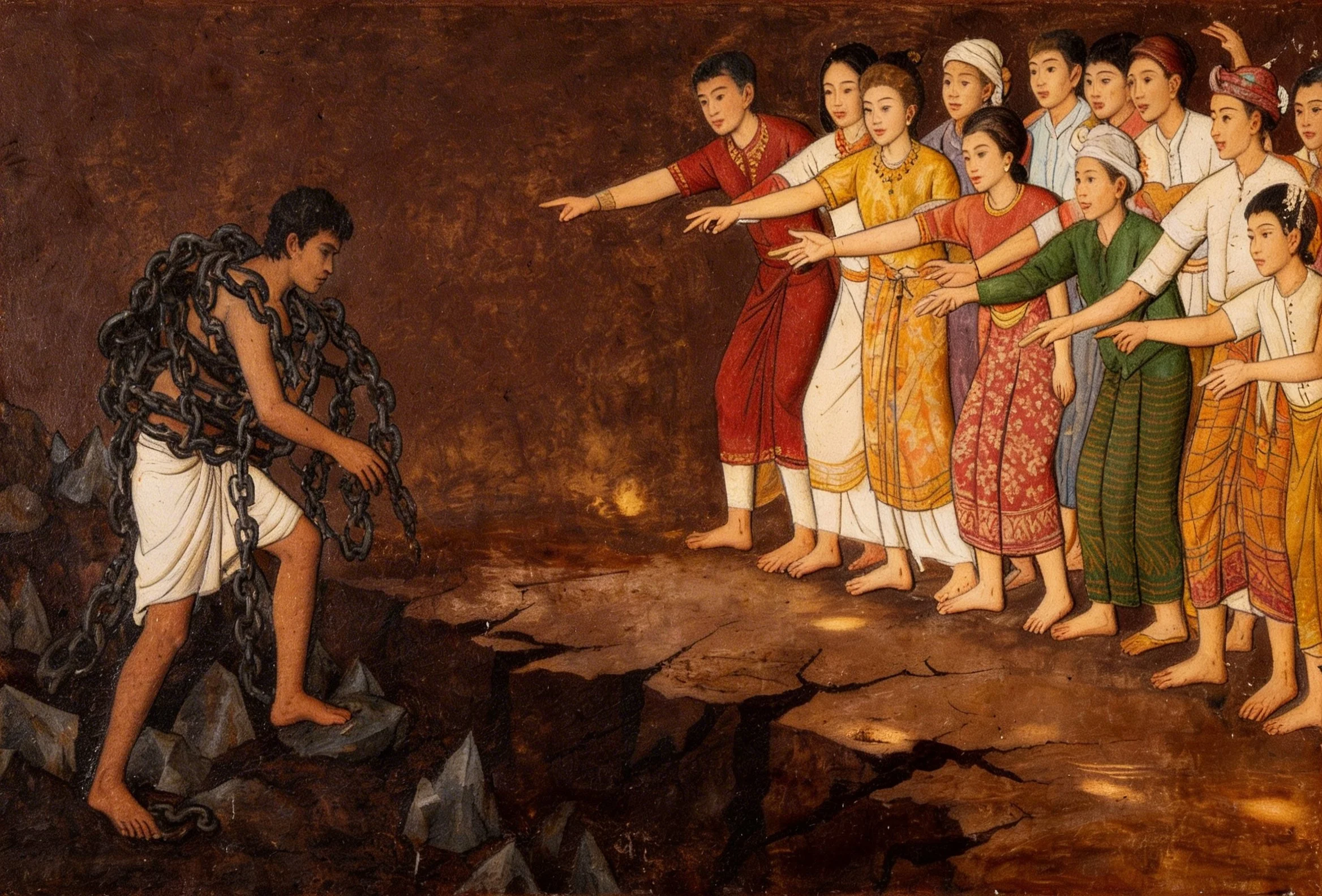
The Anatomy of Blame: Scapegoating and the Challenge to Myanmar’s Unity
In the complex landscape of Myanmar’s ongoing struggle for democracy, the erosion of trust often stems from a deeply rooted psychological and social phenomenon: scapegoating. By unfairly projecting collective frustration and failures onto vulnerable groups or "safer" political targets, individuals and organizations often find a temporary reprieve from stress at the heavy cost of accountability and truth.
This article explores the delicate balance between legitimate political criticism and the destructive cycle of scapegoating. By analyzing how "displaced accountability" weakens alliances among anti-dictatorship forces, the author examines the urgent need for a transition from habitual blaming to a factual, forward-looking dialogue essential for building a unified federal future.