

သမိုင်းကို ဖယ်ရှား၍ မရသောအခါ
မြန်မာနိုင်ငံ၏ နိုင်ငံရေးသမိုင်းတွင် အာဏာရှင်များ၏ ထင်ရှားသော လက္ခဏာတခုမှာ လက်ရှိအာဏာကို ခိုင်မာစေရန်အတွက် သမိုင်း၏ အဓိပ္ပာယ်ဖွင့်ဆိုချက်ကို ပြန်လည်ထိန်းချုပ်ရန် ကြိုးပမ်းခြင်း ဖြစ်သည်။ သို့သော် သမိုင်းဆိုသည်မှာ အဆောက်အဦးတခု၊ ရုပ်တုတခု၊ အလံတခု သို့မဟုတ် ဆိုင်းဘုတ်တခုမျှ မဟုတ်ဘဲ လူထု၏ စုပေါင်းမှတ်ဉာဏ်၊ နိုင်ငံရေးအတွေ့အကြုံနှင့် မျိုးဆက်များအကြား လက်ဆင့်ကမ်းလာသော အမှတ်တရများ၏ ပေါင်းစည်းမှုဖြစ်သည်။
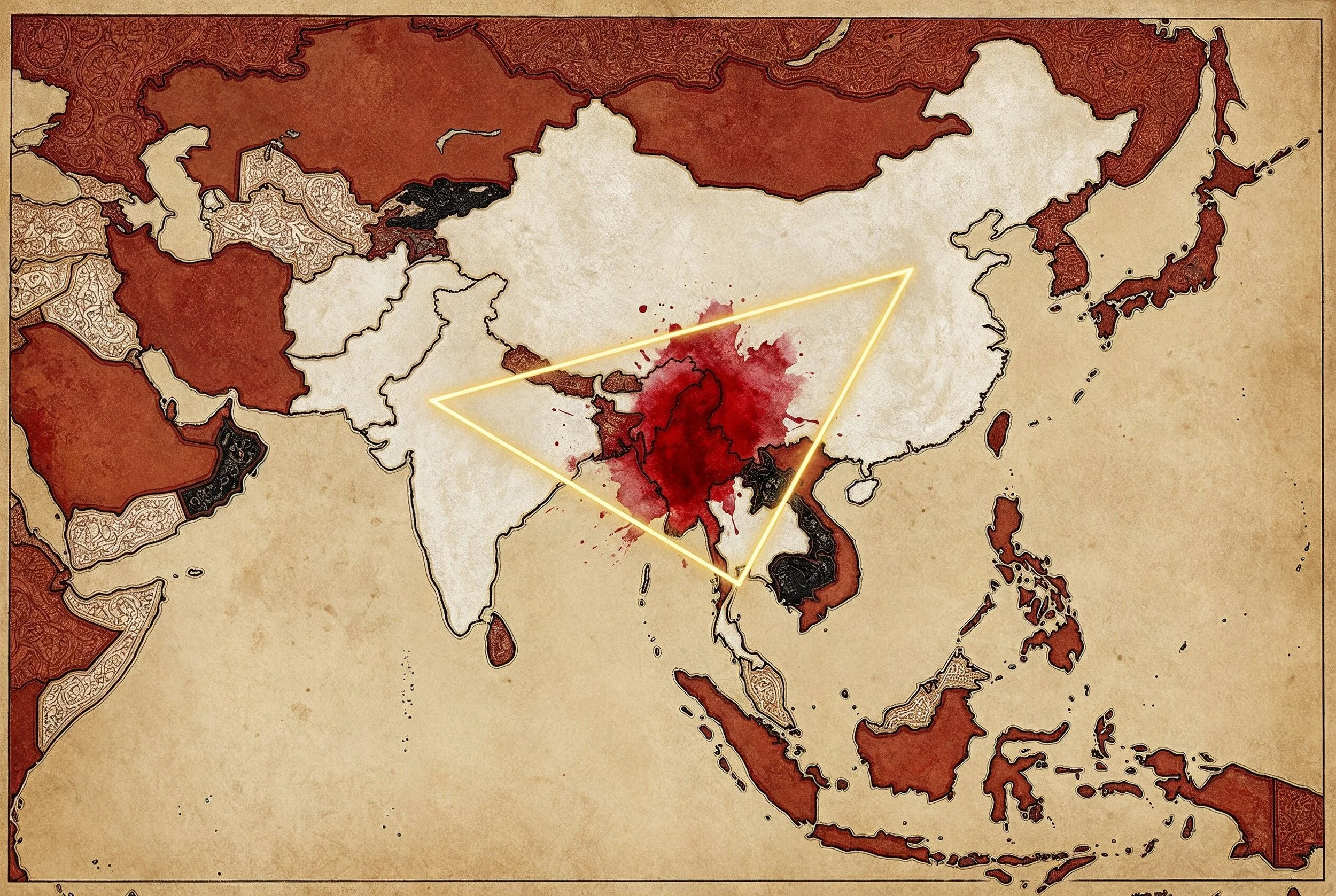
Fueling the Generals: How Myanmar’s Neighbors Are Helping Prolong Military Dictatorship
The article "Fueling the Generals" examines the external economic and political factors that have allowed Myanmar’s military junta to sustain power since the 2021 coup. It explores how neighboring nations and regional corporations provide critical lifelines that enable the regime to persist despite a lack of domestic legitimacy and ongoing internal conflict.
Ultimately, the author argues that the struggle for democracy in Myanmar is no longer just a domestic issue, but one deeply connected to the international networks that sustain the regime's economic viability.

The Contested Sky: The Evolution and Diversification of Aerial Warfare in Myanmar
The Myanmar Spring Revolution represents a landmark historical shift, unified by an unprecedented coalition of diverse ethnic groups, social classes, and generations. While this broad-based participation—termed "inclusiveness"—was the primary catalyst for the movement’s early momentum against the military dictatorship, it has recently encountered significant structural hurdles. The article argues that while inclusiveness remains a core moral and political pillar, the failure to manage its practical complexities has transformed a revolutionary strength into a strategic "trap" that threatens to stall progress toward a democratic transition.
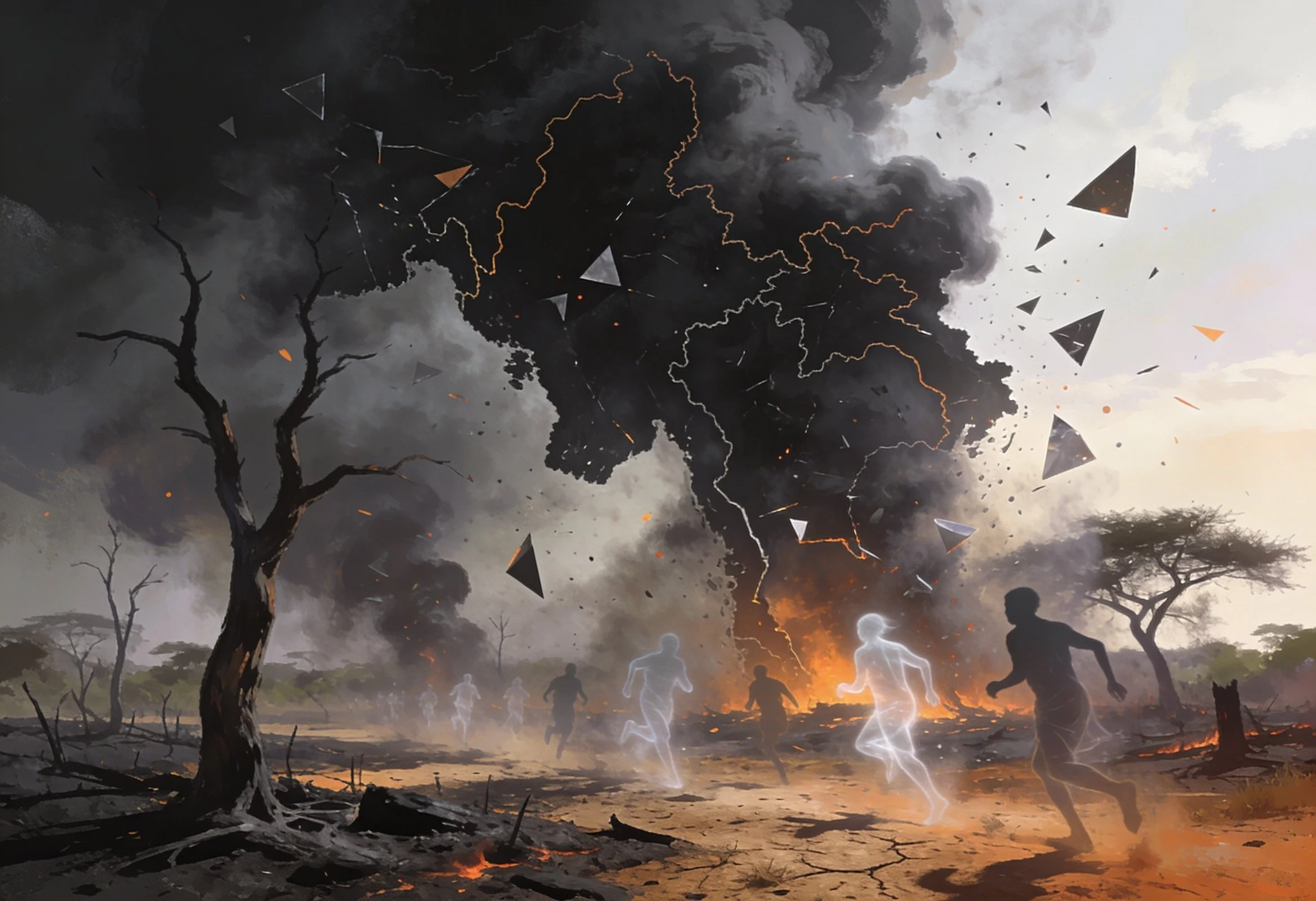
The Ashes of Resistance: An Analytical Review of Myanmar’s Five-Year Arson Campaign (2021–2026)
By early 2026, Myanmar’s civil war has evolved into a nationwide struggle, marked by the military junta’s (SAC) systematic use of arson. Since the 2021 coup, over 125,328 civilian homes have been destroyed.
This destruction is a deliberate execution of the "Four Cuts" strategy, designed to sever ties between resistance forces and their civilian support. Despite the junta’s push for "legitimacy" through sham elections, scorched-earth tactics have only intensified throughout 2025 and 2026.

The Opium Peak: 2026 Supply Chain Evolution
Following the sustained collapse of Afghan poppy cultivation and the ongoing domestic displacement caused by the civil war, Myanmar has firmly re-established itself as the world’s primary source of illicit opium. However, the "Opium Peak" of 2026 is defined less by traditional farming and more by a sophisticated supply chain evolution.
Focus: Why poppy cultivation expanded into new regions like Sagaing and Chin State as a survival strategy for conflict-affected farmers.

Forced Criminality: Human Trafficking in "Scam Enclaves"
Focuses on the 2026 humanitarian crisis where trafficked victims are no longer just "workers" but are coerced into committing crimes themselves under threat of torture.
The Focus: The "self-sustaining" criminal model where victims from over 60 countries are trapped in compounds like KK Park, often guarded by militias.

Myanmar’s Spring Revolution and the Inclusivity Trap: A Strategic Stranglehold
The Myanmar Spring Revolution represents a landmark historical shift, unified by an unprecedented coalition of diverse ethnic groups, social classes, and generations. While this broad-based participation—termed "inclusiveness"—was the primary catalyst for the movement’s early momentum against the military dictatorship, it has recently encountered significant structural hurdles. The article argues that while inclusiveness remains a core moral and political pillar, the failure to manage its practical complexities has transformed a revolutionary strength into a strategic "trap" that threatens to stall progress toward a democratic transition.
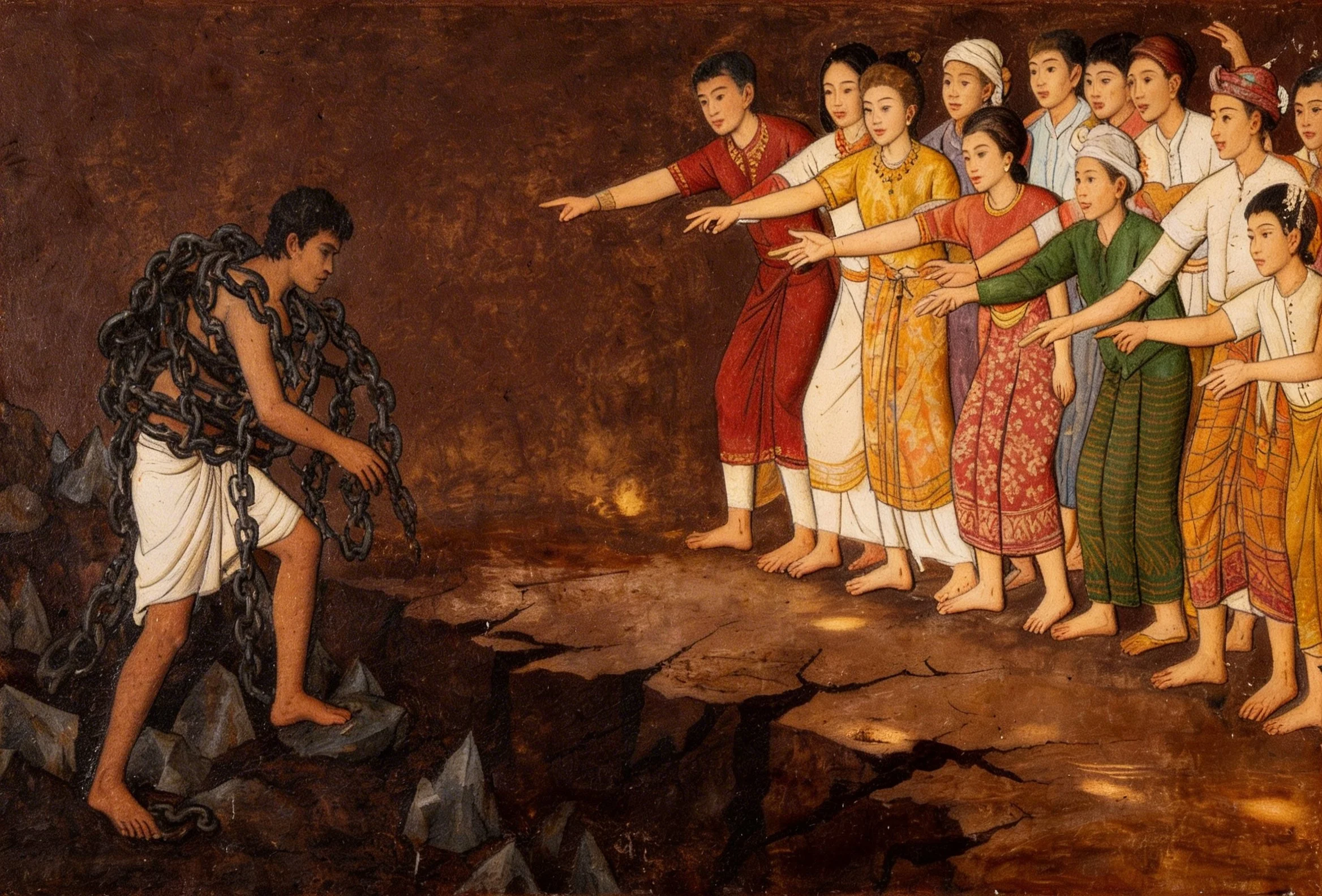
The Anatomy of Blame: Scapegoating and the Challenge to Myanmar’s Unity
In the complex landscape of Myanmar’s ongoing struggle for democracy, the erosion of trust often stems from a deeply rooted psychological and social phenomenon: scapegoating. By unfairly projecting collective frustration and failures onto vulnerable groups or "safer" political targets, individuals and organizations often find a temporary reprieve from stress at the heavy cost of accountability and truth.
This article explores the delicate balance between legitimate political criticism and the destructive cycle of scapegoating. By analyzing how "displaced accountability" weakens alliances among anti-dictatorship forces, the author examines the urgent need for a transition from habitual blaming to a factual, forward-looking dialogue essential for building a unified federal future.

The "India-Myanmar-Thailand" Trilateral Highway & Mizoram Border
Focuses on India's "Act East" policy and its security concerns regarding refugee flows and insurgent groups crossing the shared 1,600 km border.
The Focus: India's dual-track approach of maintaining ties with Naypyidaw while managing state-level relations with resistance forces.

The Drone Arms Race: Electronic Warfare and FPV Evolution
By 2026, the technological advantage of the resistance has been challenged by advanced jammers and Iranian/Russian/Chinese drone tech used by the military.
The Focus: Testing the "Technology" aspect of the war—how jamming devices are disrupting resistance air supremacy and the rise of FPV (First-Person View) kamikaze drones on both sides.

Same Robes, Divergent Roads: The Fractured Soul of Theravada Buddhism
By 2026, the technological advantage of the resistance has been challenged by advanced jammers and Iranian/Russian/Chinese drone tech used by the military.
The Focus: Testing the "Technology" aspect of the war—how jamming devices are disrupting resistance air supremacy and the rise of FPV (First-Person View) kamikaze drones on both sides.

The Shadow Skies: How Myanmar’s "Ghost Fleet" and Regional Banks Defy Western Sanctions
By 2026, the technological advantage of the resistance has been challenged by advanced jammers and Iranian/Russian/Chinese drone tech used by the military.
The Focus: Testing the "Technology" aspect of the war—how jamming devices are disrupting resistance air supremacy and the rise of FPV (First-Person View) kamikaze drones on both sides.
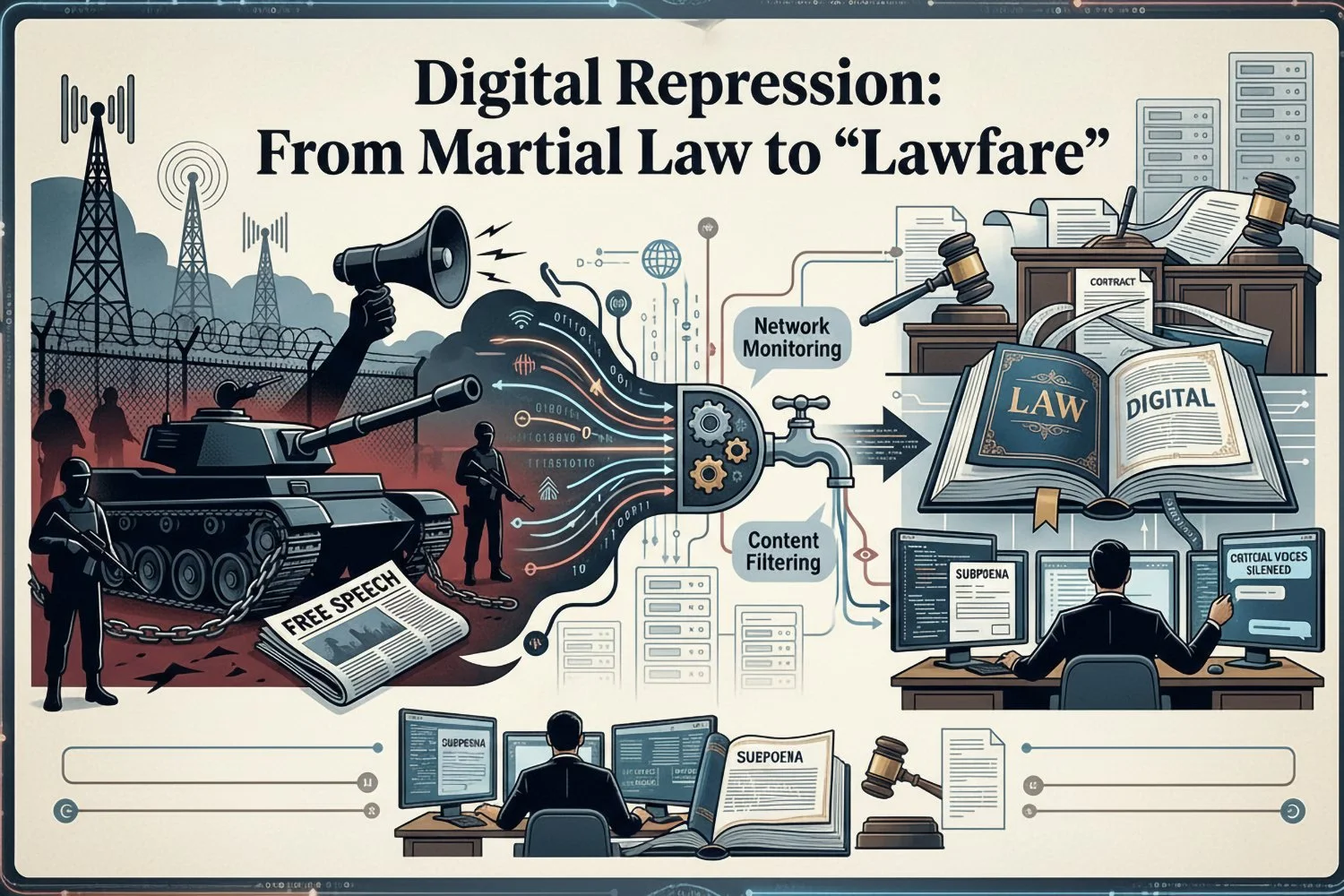
Digital Repression: From Martial Law to "Lawfare"
Focuses on the transition from emergency decrees to the systematic use of the 2025 Cybersecurity Law to imprison citizens for social media activity.
The Focus: Analyzing the "Thai Model" of repression in Myanmar, where biometric SIM registration and AI surveillance are used to justify decades-long prison sentences for "digital dissent."
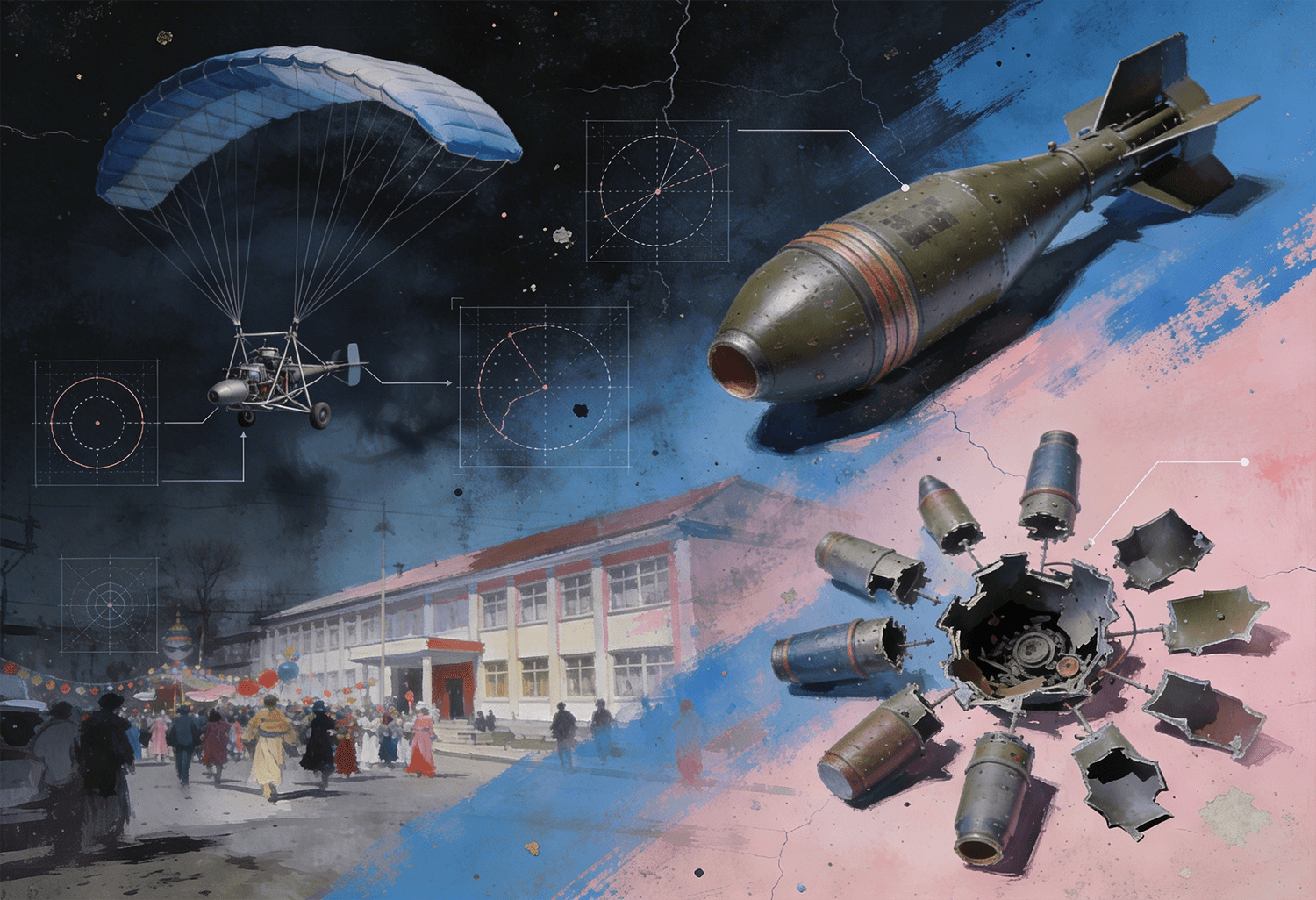
Cluster Munitions and "Indiscriminate" Aerial Terror..
A technical investigation into the use of domestically produced cluster bombs and "paramotor" attacks on civilian festivals and schools.
The Focus: Tracking the 2025-2026 surge in casualties from prohibited weapons and the targeting of "soft" infrastructure like hospitals (e.g., the Mrauk-U General Hospital strike).

Western Sanctions 2.0: The Jet Fuel and Banking Embargo
Examines the 2026 coordinated diplomatic effort by the US, Canada, and the EU to restrict the flow of foreign currency and aviation fuel to the military.
The Focus: Tracking the diplomatic "Cat and Mouse" game as Myanmar seeks to open new banking channels in non-aligned jurisdictions to circumvent Western financial blocks.
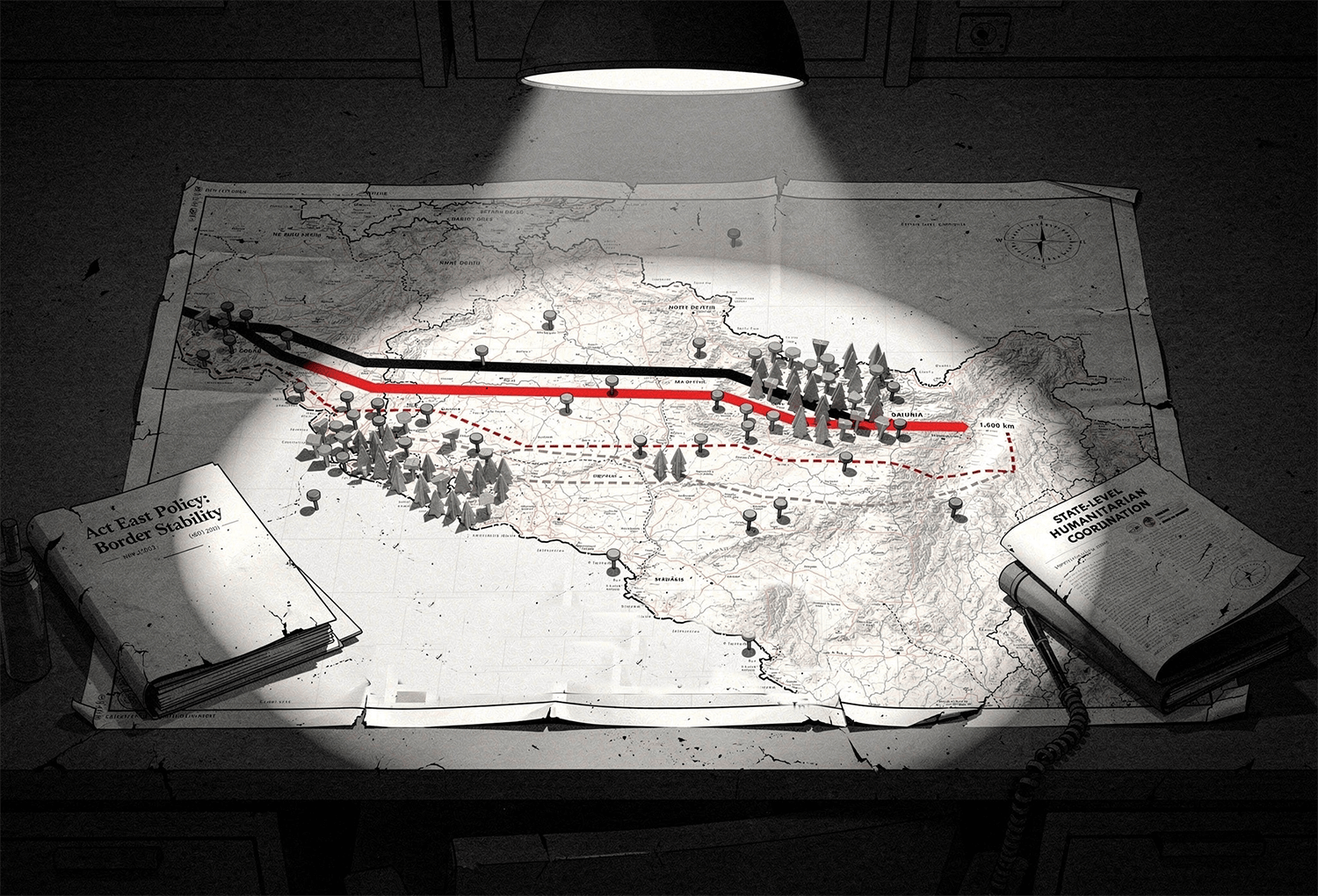
The "Act East" Re-calibration: India-Myanmar Diplomatic Resilience
Despite western pressure, India continues to engage with Naypyidaw to protect its connectivity projects like the Kaladan Multi-Modal Transit Transport Project.
The Focus: Examining the 2026 state of the "Rupee-Kyat" trade settlement mechanism and India's pragmatic diplomatic engagement to counter Chinese influence.

Bilateral "Mini-Lateralism": The Mekong-Lancang Pivot
Focuses on how Myanmar is bypassing broader international isolation by strengthening ties with a smaller group of neighbors (China, Thailand, Laos, Cambodia, Vietnam).
The Focus: Analyzing the "Mekong-Lancang Cooperation" (MLC) as a diplomatic alternative to ASEAN for the junta-led government.

The Battle for the UN Seat: Credentials Committee Update 2026
A recurring but vital diplomatic issue regarding which entity officially represents Myanmar at the United Nations in New York.
The Focus: Tracking the latest deliberations of the UN Credentials Committee and how "De Facto" vs. "De Jure" recognition is being debated by global powers.

The 2026 ASEAN Chairmanship: The "Philippines Compromise"
This topic examines the diplomatic fallout of the Philippines taking over the 2026 ASEAN Chairmanship instead of Myanmar.
The Focus: Analyzing how the "ASEAN Troika" (Philippines, Malaysia, Singapore) is handling the refusal to invite junta leadership to high-level summits while maintaining humanitarian channels.

Wildlife Trafficking and Natural Resource Extortion
Myanmar’s border zones remain major transit points for the illegal trade of jade, rare-earth minerals, and endangered species, often used as "taxation" by both the military and armed groups.
The Focus: How illicit logging and mining concessions fund the purchase of advanced weaponry (drones and loitering munitions).