
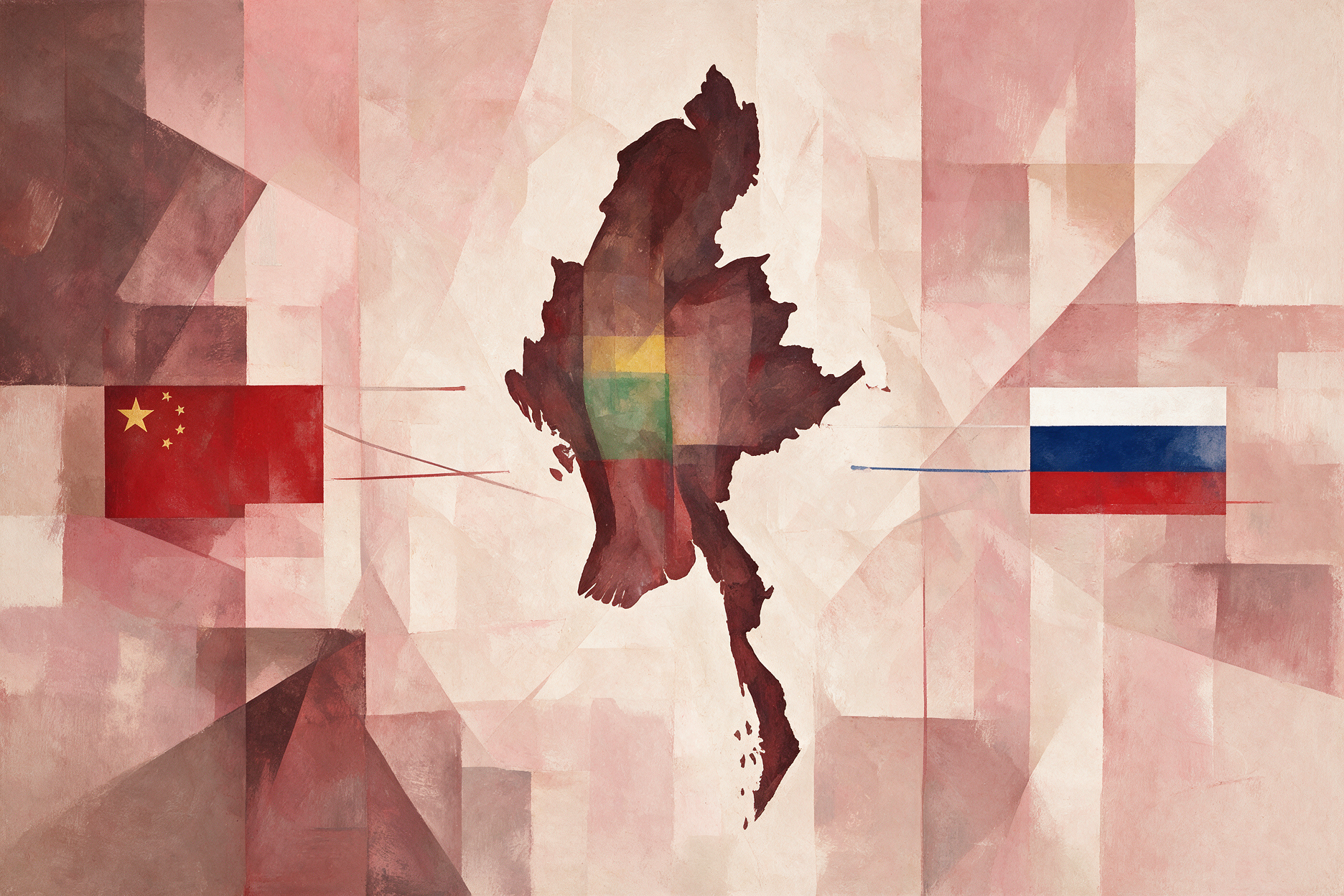
Friction on the Andaman Coast
While Beijing and Moscow project global solidarity, Naypyidaw’s overtures to Russia over the strategic Dawei deep-sea port have exposed clear transactional limits. Seeking a counterweight to China’s regional dominance, the military-led regime risks provoking Beijing, which is countering Moscow’s maritime encroachment through quiet commercial containment, economic leverage, and accelerated corridor investments.

The Procedural Fortress
Min Aung Hlaing has reconstituted the military junta he leads into a nominal civilian government and elevated himself to president. Following this shift, the regime has mounted a diplomatic offensive to seat its representatives at the United Nations. However, the military junta is unlikely to secure Myanmar’s seat; the balance of probability heavily favors the incumbent delegation led by Ambassador Kyaw Moe Tun retaining its accreditation.
While some observers contend that China and Russia could exert decisive influence over select members of the Credentials Committee, the incumbent delegation still has the advantage. This resilience is anchored in the procedural protections of UN "Rule 29," alongside the pragmatic geopolitical interests and diplomatic standing of the major powers on the committee.
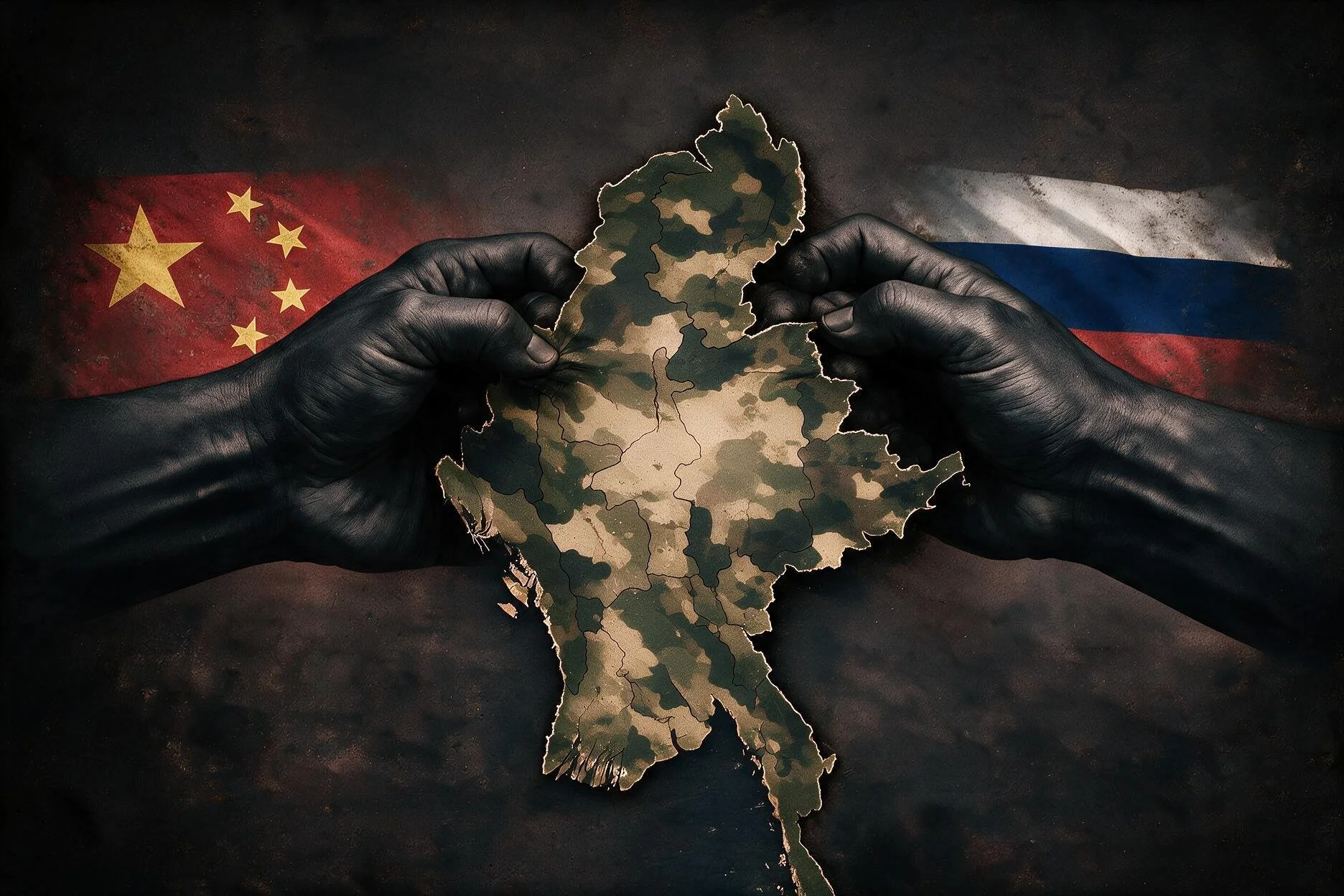
Trading One Patron for Another
Following its transition into a military-led civilian government, Naypyidaw is aggressively courting Moscow with major oil, gas, and infrastructure concessions. Driven by deep distrust toward Beijing after Operation 1027, the regime seeks a geopolitical counterweight. However, offering majority stakes in the strategic Dawei SEZ risks compromising Myanmar’s sovereignty for short-term political survival.