
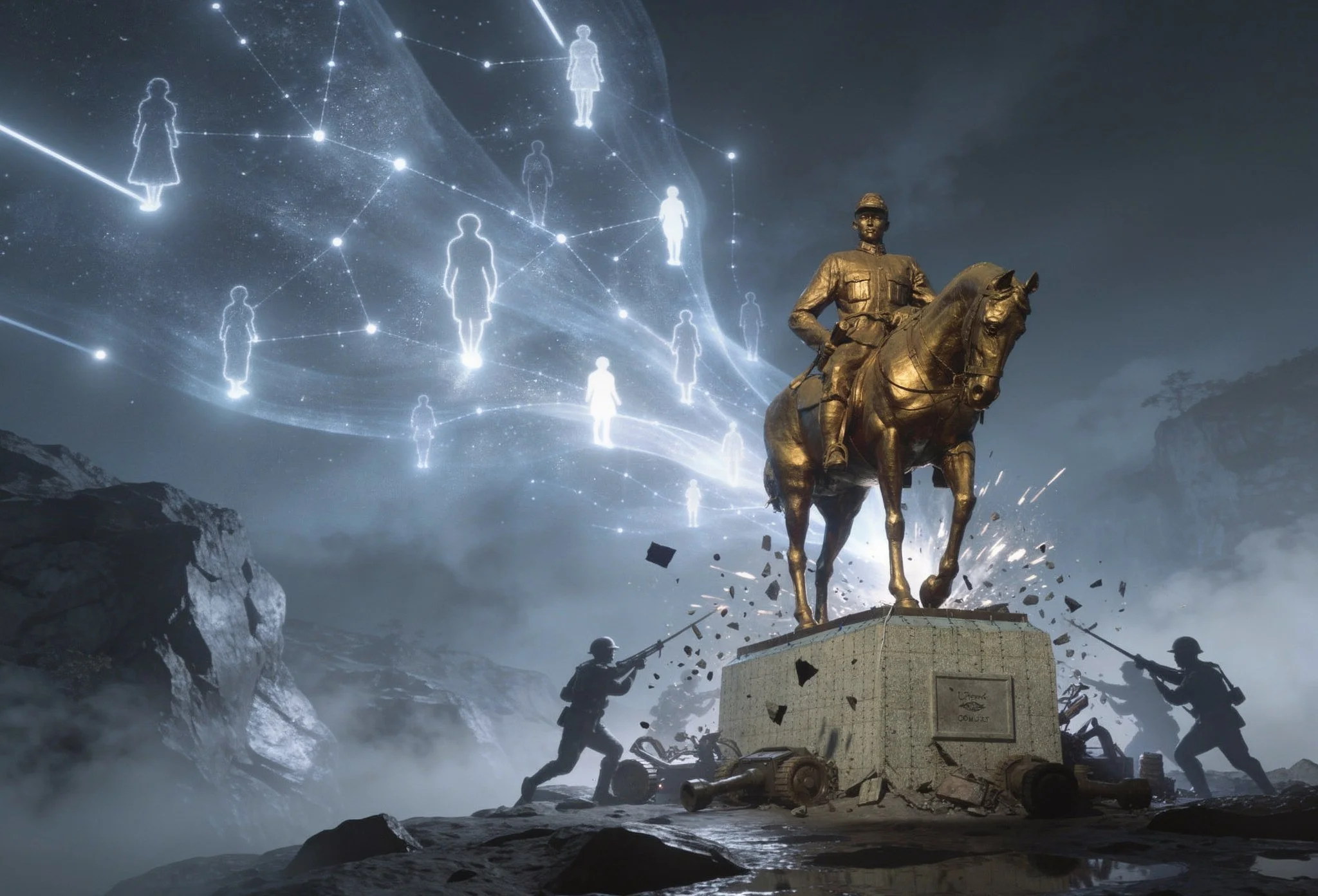
The Erasure of History and the Path to Institutional Redemption
This article examines how authoritarian regimes manipulate history to retain power, focusing on the path toward institutional redemption. It highlights that true stability and public trust require militaries to withdraw from politics, submit to civilian authority, and address historical trauma through genuine dialogue rather than force.
သမိုင်းကို ဖယ်ရှား၍ မရသောအခါ
မြန်မာနိုင်ငံ၏ နိုင်ငံရေးသမိုင်းတွင် အာဏာရှင်များ၏ ထင်ရှားသော လက္ခဏာတခုမှာ လက်ရှိအာဏာကို ခိုင်မာစေရန်အတွက် သမိုင်း၏ အဓိပ္ပာယ်ဖွင့်ဆိုချက်ကို ပြန်လည်ထိန်းချုပ်ရန် ကြိုးပမ်းခြင်း ဖြစ်သည်။ သို့သော် သမိုင်းဆိုသည်မှာ အဆောက်အဦးတခု၊ ရုပ်တုတခု၊ အလံတခု သို့မဟုတ် ဆိုင်းဘုတ်တခုမျှ မဟုတ်ဘဲ လူထု၏ စုပေါင်းမှတ်ဉာဏ်၊ နိုင်ငံရေးအတွေ့အကြုံနှင့် မျိုးဆက်များအကြား လက်ဆင့်ကမ်းလာသော အမှတ်တရများ၏ ပေါင်းစည်းမှုဖြစ်သည်။
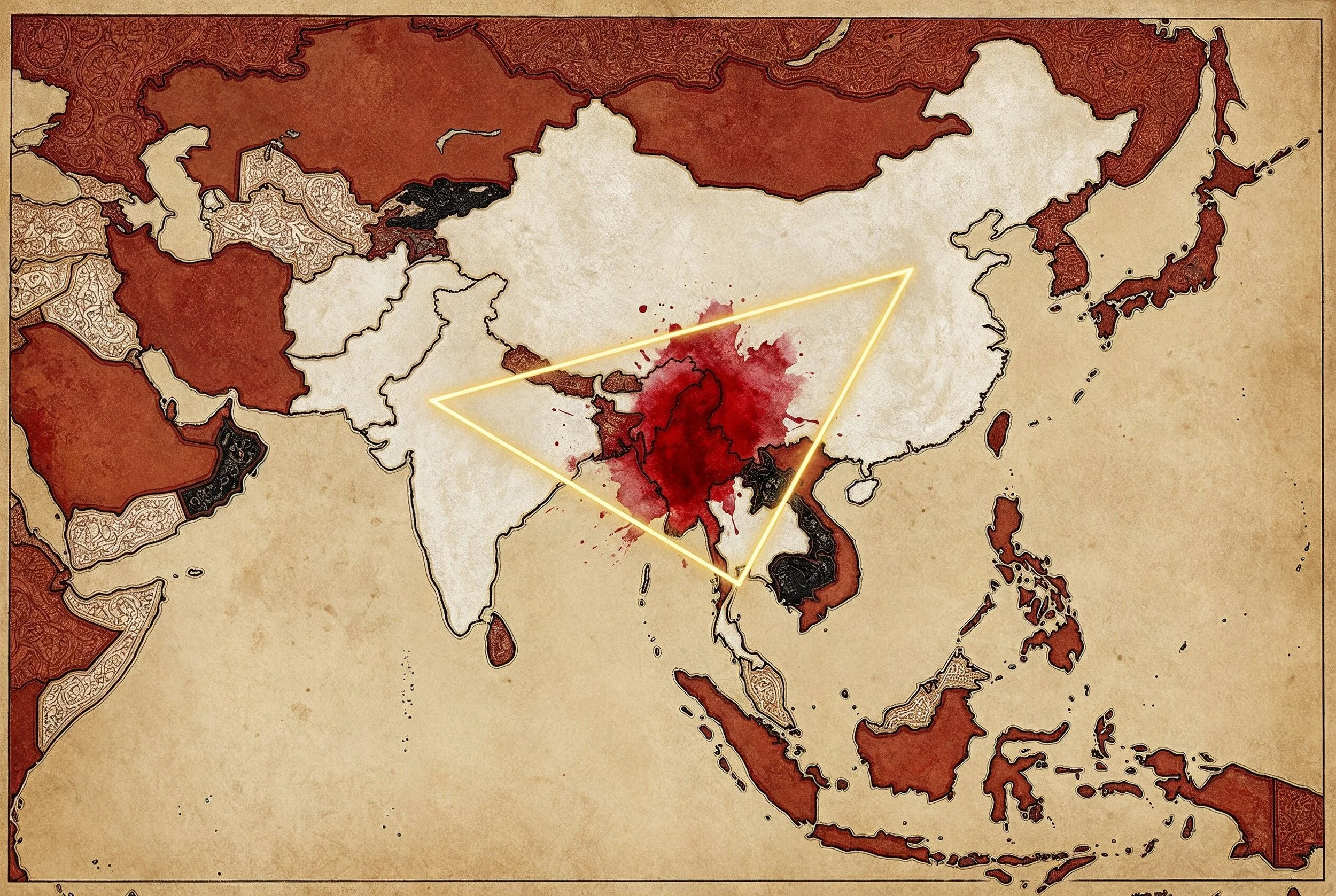
စစ်ဗိုလ်ချုပ်များကို ပံ့ပိုးခြင်း - မြန်မာ့အိမ်နီးချင်းနိုင်ငံများက စစ်အာဏာရှင်စနစ် သက်ဆိုးရှည်အောင် မည်သို့ ကူညီနေသနည်း
မြန်မာနိုင်ငံတွင် ၂၀၂၁ ခုနှစ် စစ်အာဏာသိမ်းမှု ဖြစ်ပွားပြီးနောက်ပိုင်း စစ်အုပ်စု ရှင်သန်နေရခြင်း၏ အဓိကအကြောင်းရင်းမှာ ပြည်သူလူထုက ၎င်းတို့အား တရားဝင်မှု ပေးခြင်းကြောင့် မဟုတ်ဘဲ အိမ်နီးချင်းနိုင်ငံများက စီးပွားရေးအရ အသက်ဆက်ပေးမှုနှင့် နိုင်ငံရေးအရ လိုက်လျောမှုများကြောင့်သာ ဖြစ်သည်။ မီးရှို့ခံရသော ရွာတိုင်း၊ ဗုံးကြဲခံရသော ကျောင်းတိုင်းနှင့် သတ်ဖြတ်ခံရသော အရပ်သားတိုင်းသည် စစ်အုပ်စု၏ ရက်စက်ကြမ်းကြုတ်မှု ရလဒ်များသာ မဟုတ်၊ စစ်အုပ်စုနှင့် ဆက်လက်၍ စီးပွားရေး ဆောင်ရွက်နေကြသည့် အစိုးရများနှင့် ကုမ္ပဏီများ၏ ပံ့ပိုးမှုကြောင့်လည်း ပါဝင်သည်။
Fueling the Generals: How Myanmar’s Neighbors Are Helping Prolong Military Dictatorship
Since Myanmar’s 2021 military coup, the junta has maintained its brutal hold on power not through public legitimacy, but through regional support. This article reveals how neighbouring countries and corporations fuel the regime’s campaign of civilian violence by prioritising gas deals, trade, and strategic interests over human lives.
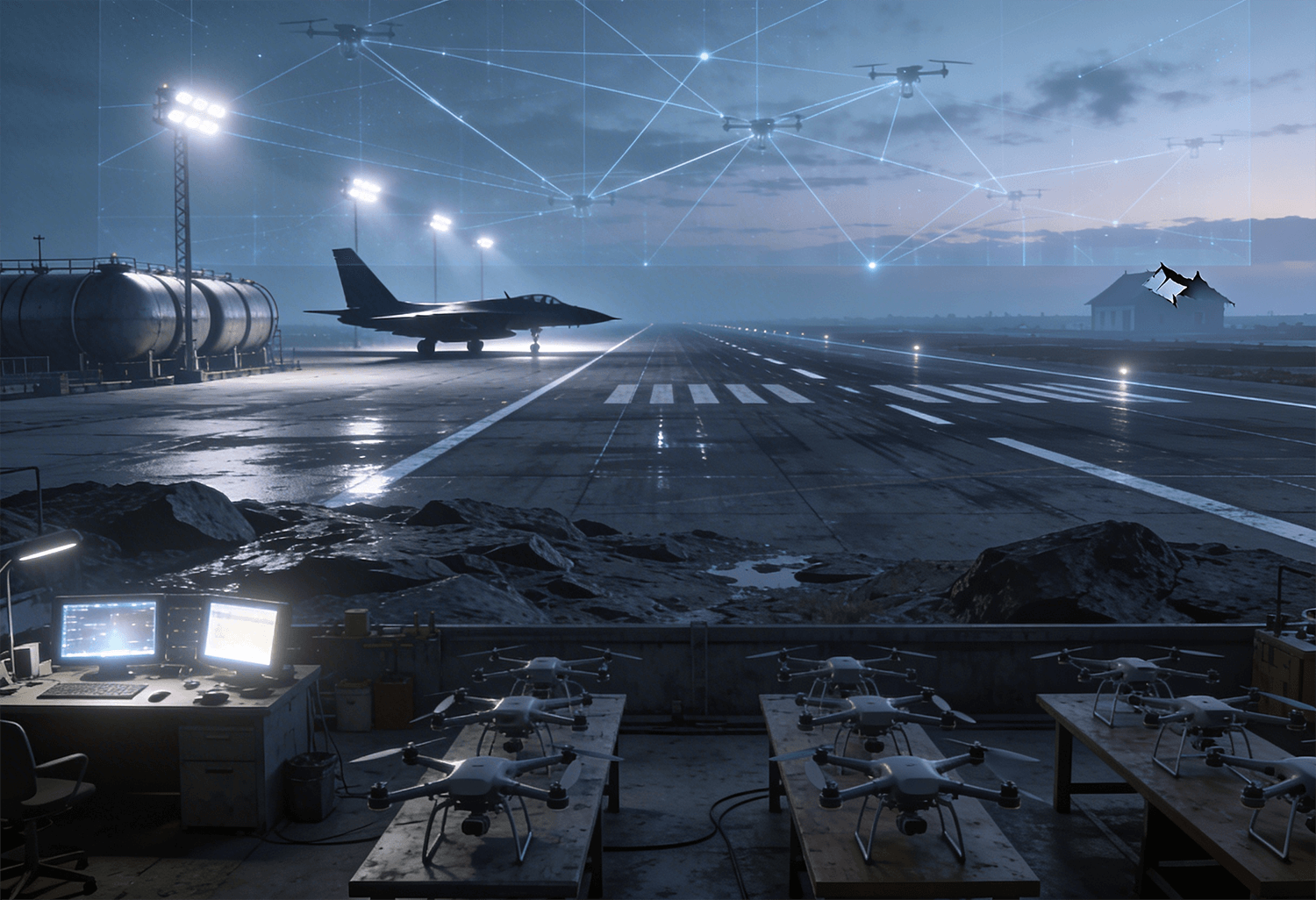
The Contested Sky: The Evolution and Diversification of Aerial Warfare in Myanmar
The air over Myanmar has transformed into a high-tech battlefield. Following the 2021 coup, both resistance forces and the military junta have adopted advanced drone warfare, ultralight terror tactics, and evasive global supply chains, turning the country into a deadly proving ground for asymmetric aerial combat.
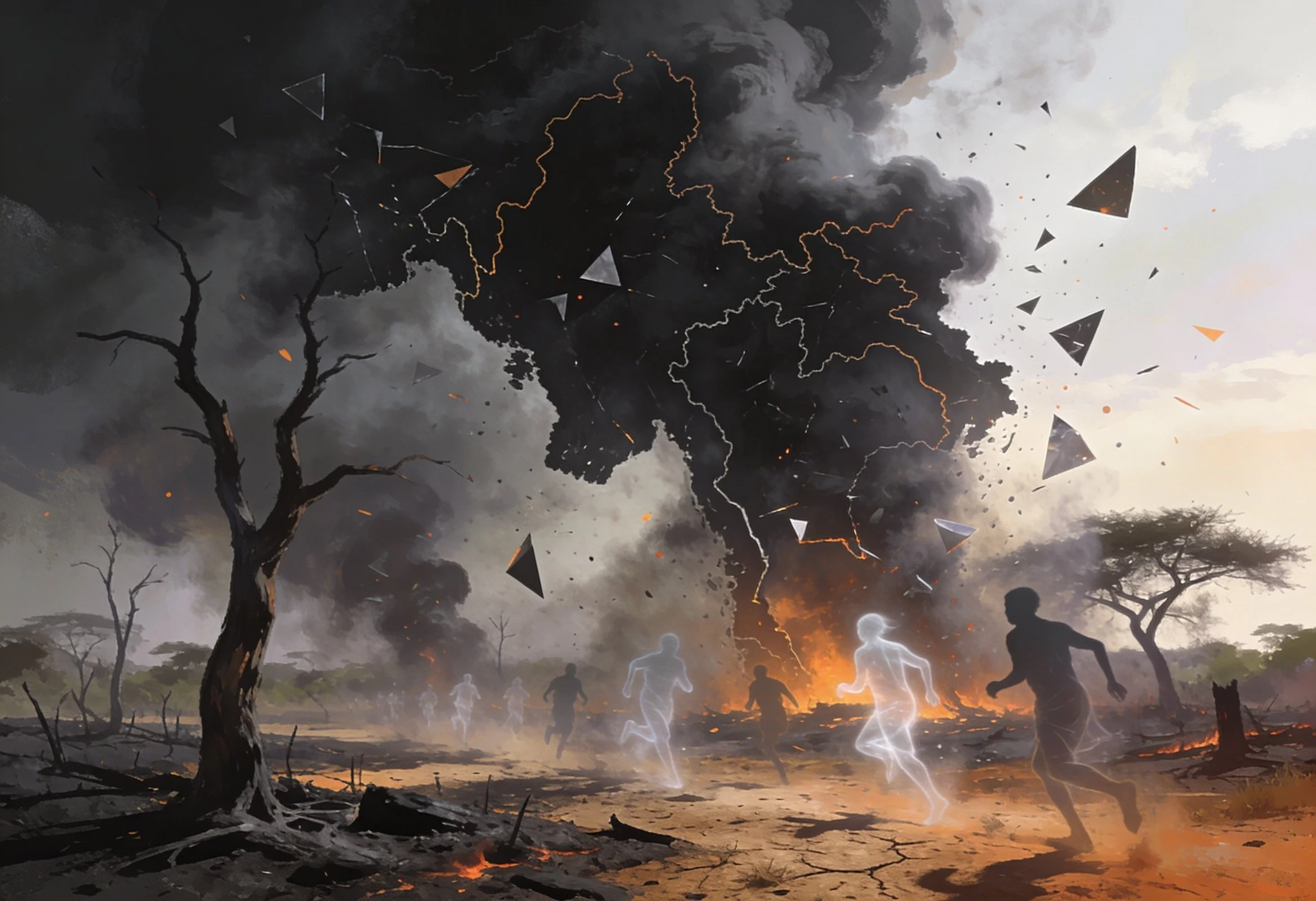
The Ashes of Resistance: An Analytical Review of Myanmar’s Five-Year Arson Campaign (2021–2026)
Since the February 2021 coup, Myanmar’s military has waged a devastating nationwide arson campaign. By early 2026, over 125,000 civilian homes have been burned as part of a strategic "Four Cuts" doctrine to crush resistance, driving widespread displacement and triggering a critical humanitarian crisis across the country.

Same Robes, Divergent Roads: The Fractured Soul of Theravada Buddhism
While a group of Theravada monks walks 2,300 miles for peace across America, others in Myanmar face accusations of inciting genocide at the International Court of Justice. This article explores how monks sharing the same scriptures and robes have diverged into radical nationalist violence and universal compassion.
လာရာ တူ၍ လားရာ မတူသည့် ရဟန်းများ
မိတ်ဆက် ။ ။ ထေရဝါဒ ဗုဒ္ဓဘာသာဆိုတဲ့ လာရာလမ်းချင်း တူညီပါလျက်နဲ့ လက်တွေ့ဘဝမှာ လျှောက်လှမ်းကြတဲ့ လမ်းချင်းမတူကြတဲ့ သံဃာသုံးမျိုးရဲ့ အကြောင်းကို ဒီဆောင်းပါးမှာ ဖော်ပြထားပါတယ်။ ဒီသံဃာတော်များရဲ့ ခံယူချက်နဲ့ လုပ်ဆောင်ချက်တွေရဲ့ ကောင်းကျိုး ဆိုးကျိုးတွေ ဘယ်လိုရှိသလဲ ဆိုတာကိုလည်း ဒီဆောင်းပါးမှာ ဆန်းစစ်ဖော်ပြထားပါတယ်။
Myanmar’s Spring Revolution and the Inclusivity Trap: A Strategic Stranglehold
The Spring Revolution in Myanmar united diverse ethnic and social groups against military rule, turning broad coalition-building into a powerful catalyst. However, unmanaged inclusivity has created strategic bottlenecks. This article explores how balancing diversity with effective decision-making and context-specific leadership is vital to avoiding a stalemate and achieving lasting democracy.
မြန်မာ့နွေဦး တော်လှန်ရေးနှင့် ချုပ်ကွက်မိနေသည့် Inclusiveness
မြန်မာ့နွေဦးတော်လှန်ရေးသည် လူမျိုးစုံ၊ ဘာသာစုံနှင့် လူတန်းစားပေါင်းစုံ ပါဝင်သည့် သမိုင်းဝင် အလှည့်အအပြောင်းတစ်ခု ဖြစ်သည်။ ဤကဲ့သို့သော "စုံညီပါဝင်မှု" (Inclusiveness) သည် တော်လှန်ရေး၏ အဓိကမောင်းနှင်အားဖြစ်ပြီး အာဏာရှင်စနစ်ကို ဆန့်ကျင်ရာတွင် ကြီးမားသော အင်အားစုတစ်ရပ် ဖြစ်စေခဲ့သည်။ သို့သော်လည်း လက်တွေ့မြေပြင်တွင် စုံညီပါဝင်မှုကို ထိရောက်စွာ စီမံခန့်ခွဲနိုင်ခြင်း မရှိပါက တော်လှန်ရေး၏ အရှိန်အဟုန်ကို နှောင့်နှေးစေသည့် အဟန့်အတားတစ်ခု ဖြစ်သွားနိုင်သည်ကို ဤဆောင်းပါးတွင် ဆန်းစစ် တင်ပြထားသည်။
အပြစ်တင်ခြင်း၏ ပင်ကိုယ်သဘာဝ - အပြစ်ပုံချခြင်း အလေ့အထနှင့် မြန်မာ့စုစည်းညီညွတ်ရေးအတွက် စိန်ခေါ်မှုများ
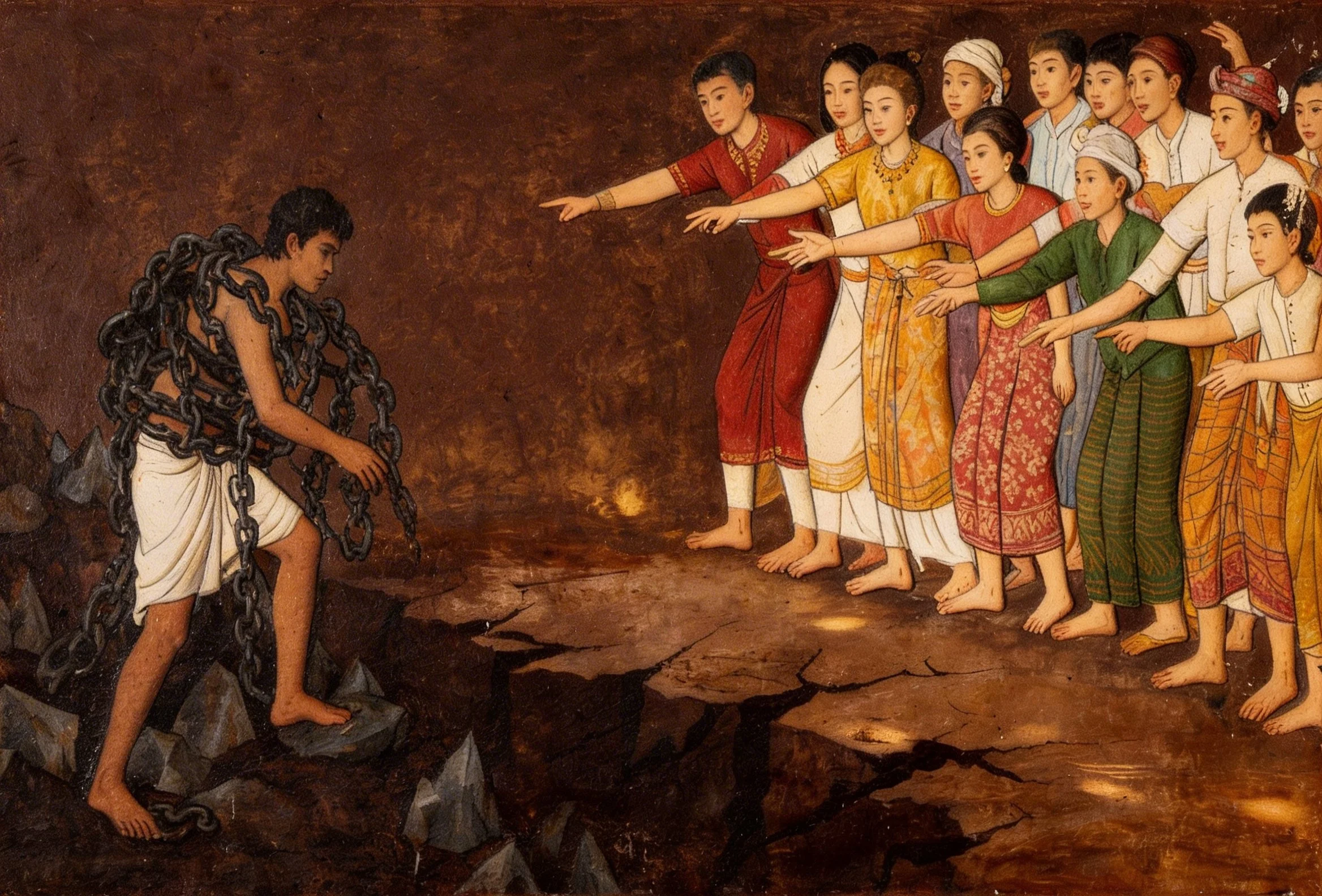
လူ့အဖွဲ့အစည်းတစ်ခု သို့မဟုတ် နိုင်ငံရေးအခင်းအကျဉ်းတစ်ခုအတွင်း ပြဿနာများ ရင်ဆိုင်ရချိန်တွင် မိမိတို့၏ ပျက်ကွက်မှုအတွက် တာဝန်ယူရမည့်အစား အခြားသူတစ်ဦးဦး သို့မဟုတ် အဖွဲ့အစည်းတစ်ခုခုအပေါ် မတရားသဖြင့် အပြစ်ပုံချခြင်း (Scapegoating) သည် စိုးရိမ်ဖွယ်ရာ လူမှုစိတ်ပညာဖြစ်စဉ်တစ်ခု ဖြစ်သည်။ ဤသို့ ပြုလုပ်ခြင်းသည် ပြုလုပ်သူအတွက် စိတ်သက်သာရာရမှု ယာယီရရှိစေနိုင်သော်လည်း ရေရှည်တွင် တာဝန်ယူမှု၊ တာဝန်ခံမှု ကင်းမဲ့စေကာ အမှန်တရားကို ဖုံးကွယ်သွားစေပါသည်။
မြန်မာ့နိုင်ငံရေး အခင်းအကျဉ်းနှင့် လူမှုအသိုက်အဝန်းအတွင်း အချင်းချင်း ယုံကြည်မှု တည်ဆောက်ရေးနှင့် စုပေါင်းညီညွတ်မှုကို အဓိက အဟန့်အတားဖြစ်စေသည့် ဤ"အပြစ်ပုံချခြင်း" (Scapegoating)၏ အရင်းအမြစ်များကို ယခုဆောင်းပါးတွင် အောက်ပါကဏ္ဍများဖြင့် ခွဲခြမ်းစိတ်ဖြာ တင်ပြထားပါသည်။
The Anatomy of Blame: Scapegoating and the Challenge to Myanmar’s Unity
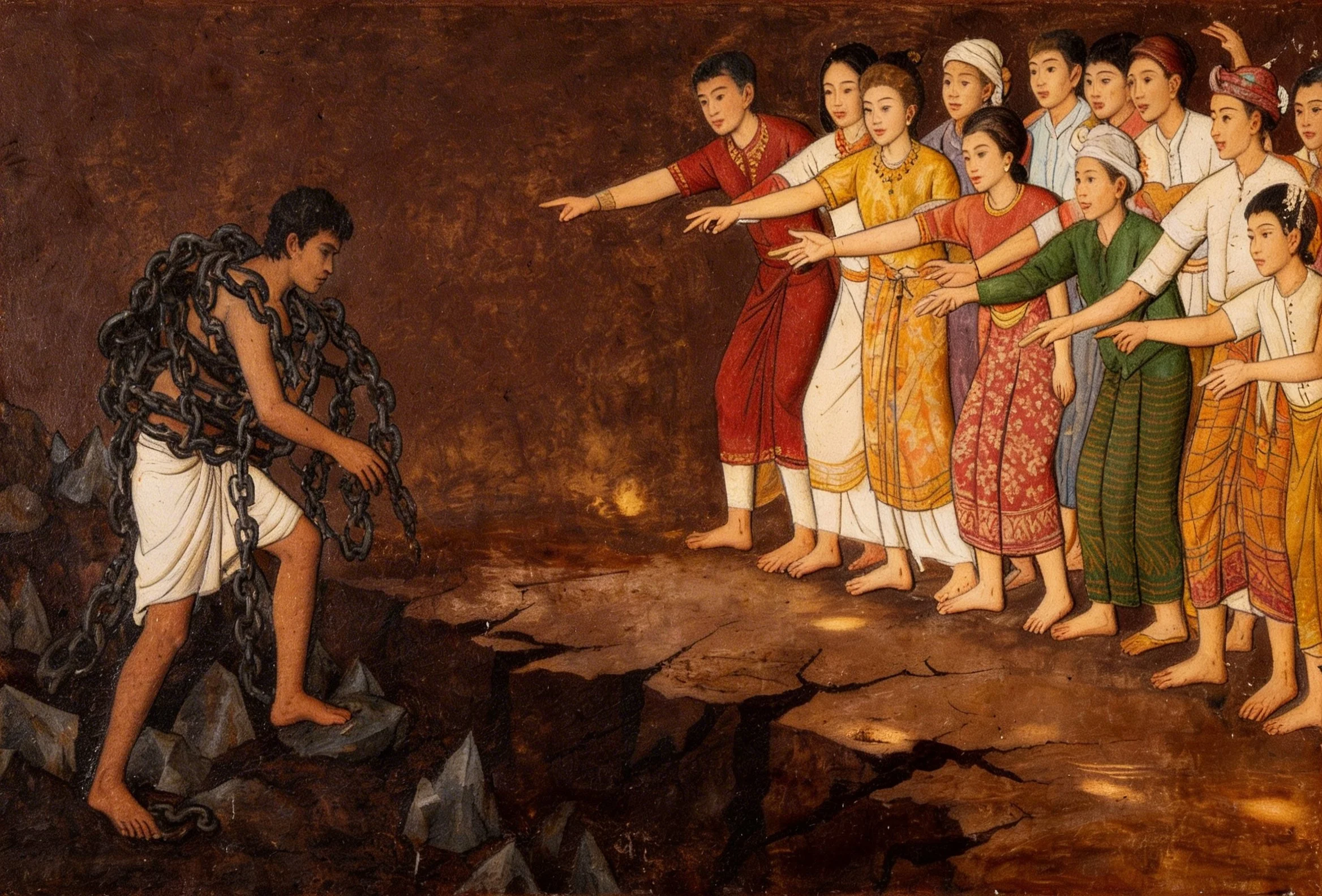
In Myanmar's struggle for democracy, unresolved frustration often leads to scapegoating—projecting collective failures onto vulnerable or convenient targets. Grounded in social psychology and ancient origins, this article examines how "displaced accountability" undermines trust among anti-dictatorship forces, stressing the need for fact-based dialogue to build a unified federal future.
The Drone Arms Race: Electronic Warfare and FPV Evolution
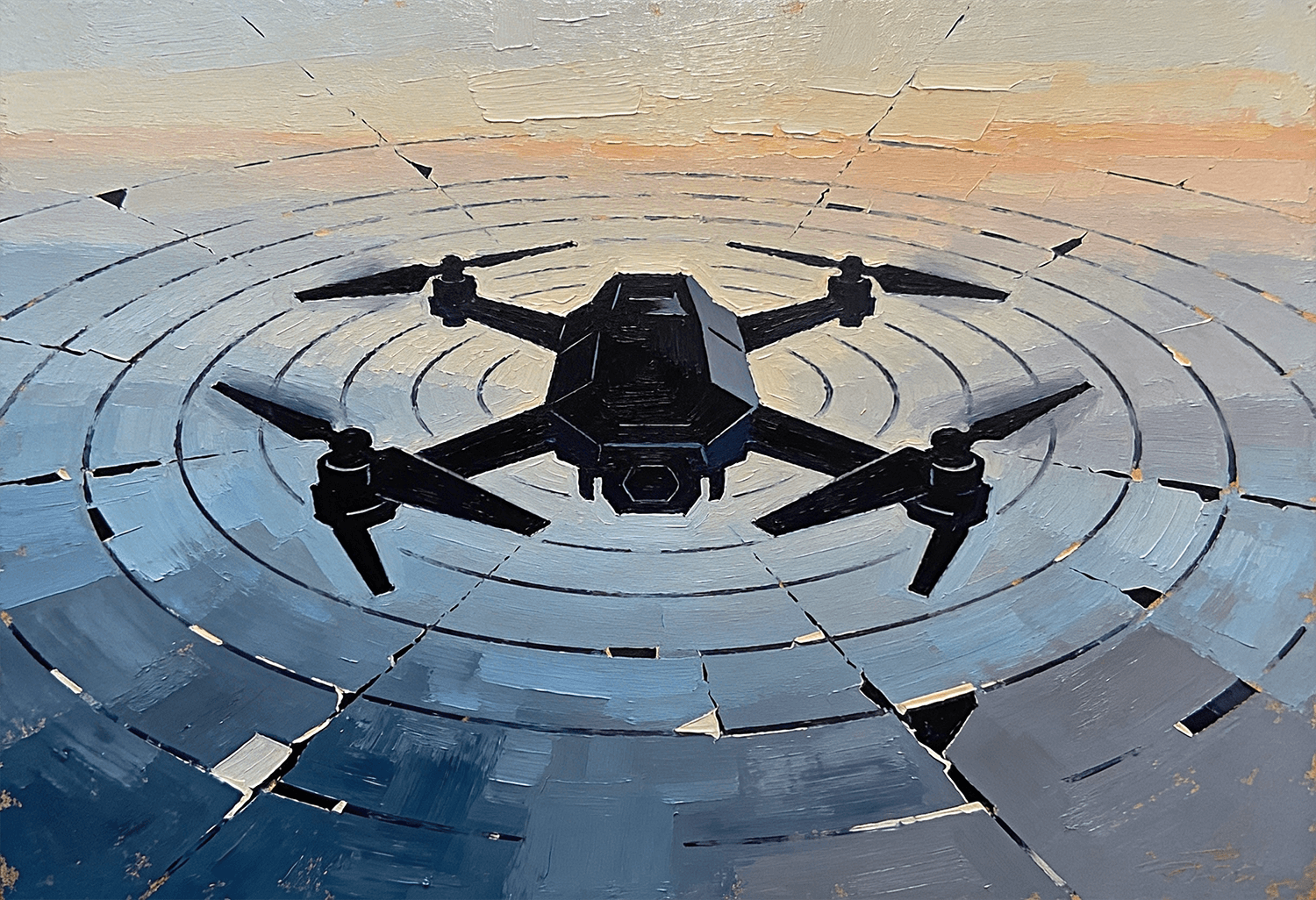
By 2026, the Myanmar military (SAC) transformed the electromagnetic spectrum into a hostile zone using multi-frequency jammers and GPS spoofing. A sophisticated "grey market" supply corridor through Ruili, China, equips junta drones with anti-jamming tech while severe border blockades drastically choke the resistance's drone capabilities and supply chains.
ဒရုန်းလက်နက်ပြိုင်ပွဲ - အီလက်ထရောနစ်စစ်ဆင်ရေးနှင့် FPV ဒရုန်းများ၏ ဆန်းသစ်ပြောင်းလဲမှု
မိတ်ဆက် ။ ။ မြန်မာစစ်တပ်သည် အဆင့်မြင့် အီလက်ထရောနစ် စစ်ဆင်ရေးနည်းပညာများနှင့် နိုင်ငံခြားဖြစ် အလိုအလျောက် ပစ်မှတ်ရှာ ဗုံးကြဲဒရုန်းများကို ပေါင်းစပ်အသုံးပြုလာသည်နှင့်အမျှ၊ တစ်ချိန်က တော်လှန်ရေးအင်အားစုများ အသာစီးရခဲ့သော ဝေဟင်စိုးမိုးမှုမှာ ယခုအခါ ခေတ်မီဆန်းသစ်သည့် နည်းပညာမြင့် တန်ပြန်ထိုးစစ်များနှင့် ရင်ဆိုင်နေရပြီဖြစ်သည်။
အထူးပြုချက် ။ ။ ဤသုံးသပ်ချက်တွင် ၂၀၂၆ ခုနှစ်၏ “နည်းပညာဆိုင်ရာ အလှည့်အပြောင်း” ကို လေ့လာတင်ပြထားပြီး၊ နိုင်ငံတကာမှ တင်သွင်းလာသော လိုင်းနှောင့်ယှက်ရေး (jamming) နည်းပညာများက တော်လှန်ရေးအင်အားစုများ၏ ဒရုန်းများကို မည်သို့ အားနည်းသွားစေသည်ကို အသေးစိတ်ဖော်ပြထားသည်။ တစ်ချိန်တည်းမှာပင် နှစ်ဖက်စလုံးက တိကျသေချာသော FPV (First-Person View) အသေခံဒရုန်း (kamikaze) တိုက်ခိုက်မှုများကို ပိုမိုအရှိန်မြှင့် အသုံးပြုလာမှုကို ဆန်းစစ်ထားသည်။
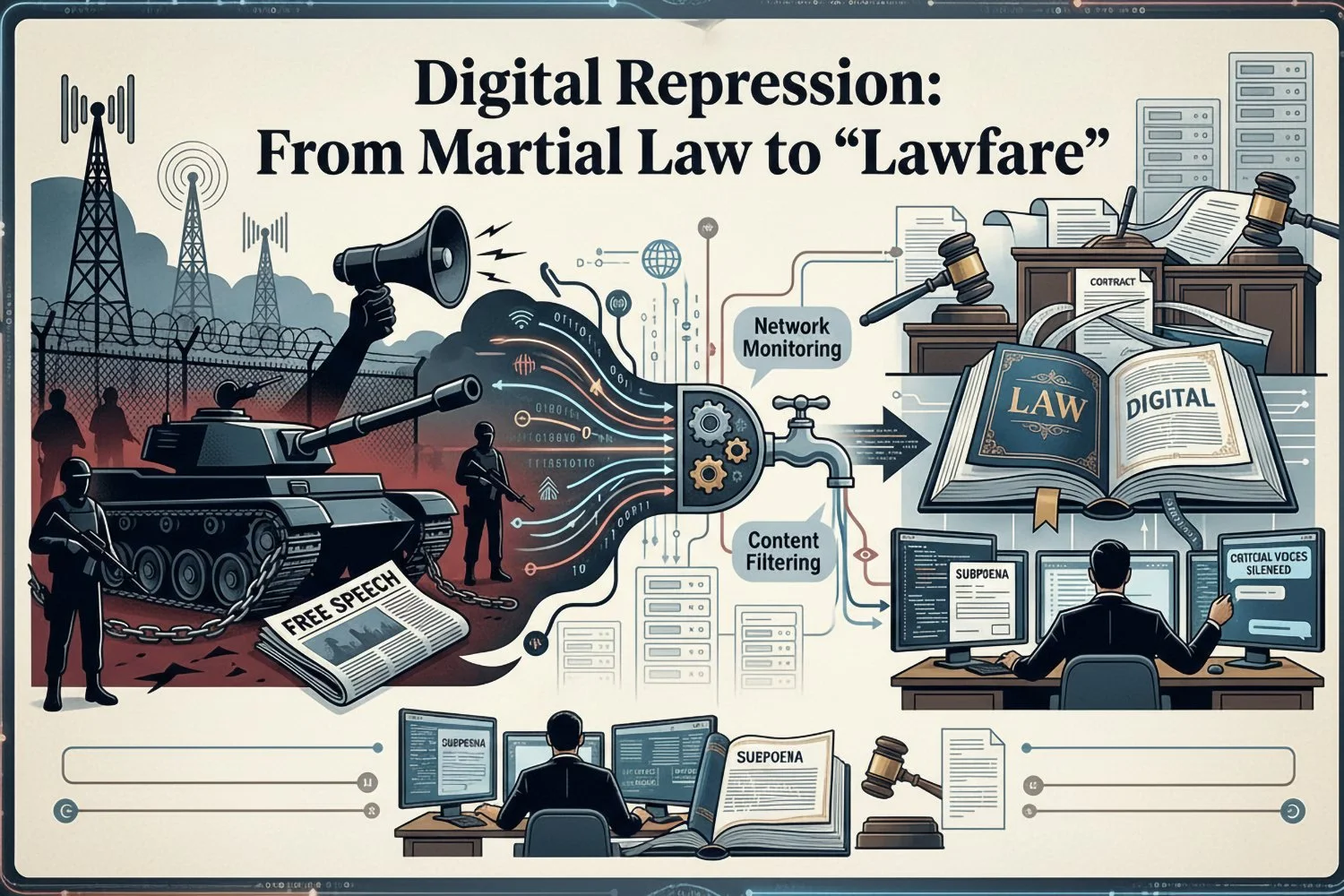
Digital Repression: From Martial Law to "Lawfare"
The transition of power in Myanmar has entered a chilling new chapter. What began as a military force in 2021 has evolved into an automated "Digital Dictatorship." As of 2026, the regime uses the 2025 Cybersecurity Law and hardware tracking to systematically criminalise the very fabric of digital life.
ဒစ်ဂျစ်တယ် ဖိနှိပ်မှု - စစ်အုပ်ချုပ်ရေးမှသည် "ဥပဒေဖြင့် တိုက်ခိုက်ခြင်း" ဆီသို့
မိတ်ဆက် ။ ။ မြန်မာနိုင်ငံ၏ အာဏာကူးပြောင်းမှုသည် ကြောက်မက်ဖွယ်ကောင်းသော အခန်းကဏ္ဍသစ်တခုသို့ ရောက်ရှိလာပြီ ဖြစ်သည်။ ၂၀၂၁ ခုနှစ်တွင် မြေပြင်ပေါ်ရှိ စစ်ဖိနပ်သံများ၊ တနိုင်ငံလုံးအနှံ့ အင်တာနက်ဖြတ်တောက်မှုများဖြင့် စတင်ခဲ့သည့် ဗြောင်ကျကျ ဖိနှိပ်မှုပုံစံသည် ၂၀၂၆ ခုနှစ်သို့ ရောက်ရှိလာသောအခါ ခေတ်မီပြီး အလိုအလျောက် စနစ်တကျ လုပ်ဆောင်သည့် "ဒစ်ဂျစ်တယ် အာဏာရှင်စနစ်" (Digital Dictatorship) အဖြစ်သို့ ပြောင်းလဲလာခဲ့သည်။ စစ်ကောင်စီသည် ယာယီအရေးပေါ် အမိန့်ဒီကရီများမှတဆင့် "ဥပဒေဖြင့် တိုက်ခိုက်ခြင်း" (Lawfare) ဟုခေါ်သော အမြဲတမ်းစနစ်သို့ ကူးပြောင်းနေပြီဖြစ်သည်။ ၎င်းသည် ၂၀၂၅ ခုနှစ် ဆိုင်ဘာလုံခြုံရေး ဥပဒေကို စနစ်တကျ အသုံးချပြီး ဒစ်ဂျစ်တယ်နယ်ပယ်အတွင်းရှိ ပြည်သူများ၏ နေ့စဉ်ဘဝကို ရာဇဝတ်မှုအဖြစ် သတ်မှတ် အရေးယူခြင်း ဖြစ်သည်။

မြန်မာ့ "တစ္ဆေသင်္ဘောအုပ်စု" နှင့် ဒေသတွင်းရှိ ဘဏ်များက အနောက်နိုင်ငံများ၏ ပိတ်ဆို့မှုများကို မည်သို့ ရှောင်ကွင်းနေသနည်း
အနောက်အုပ်စု၏ "ပစ်မှတ်ထား ပိတ်ဆို့အရေးယူမှုများ" (Smart Sanctions) သည် မြန်မာစစ်တပ်ကို အကြပ်ရိုက်စေရန် ရည်ရွယ်သော်လည်း၊ ပင်လယ်ပြင်တွင် ပုန်းလျှိုးကွယ်လျှိုး သွားလာခြင်းနှင့် ဒေသတွင်း ဘဏ္ဍာရေးလမ်းကြောင်းများ ပြောင်းလဲခြင်းတို့ဖြင့် လည်ပတ်နေသော ဆန်းပြားသည့် "အရိပ်မည်းစီးပွားရေး" (Shadow Economy) ကြောင့် စစ်ကောင်စီသည် စောင့်ကြည့်စစ်ဆေးမှုများကို ကျွမ်းကျင်စွာ ရှောင်ကွင်းနိုင်ကြောင်း သက်သေပြနေသည်။
အဓိကတင်ပြချက်- ဤဆန်းစစ်ချက်သည် စစ်ကောင်စီအနေဖြင့် "တစ္ဆေသင်္ဘောအုပ်စု" (Ghost fleet) နည်းဗျူဟာများကို အသုံးပြုကာ လေယာဉ်ဆီ ကန့်သတ်ချက်များကို မည်သို့ အောင်မြင်စွာ ကျော်လွှားခဲ့ကြောင်းနှင့် ၎င်းတို့၏ အဓိက ဘဏ္ဍာရေး အသက်သွေးကြောကို စည်းမျဉ်းတင်းကျပ်လာသည့် စင်ကာပူမှ ဗျူဟာမြောက် ကြားနေဝါဒ ကျင့်သုံးသော ထိုင်းဘဏ်လုပ်ငန်းများဆီသို့ မည်သို့ ပြောင်းရွှေ့ခဲ့ကြောင်းကို လေ့လာထားသည်။
The Shadow Skies: How Myanmar’s "Ghost Fleet" and Regional Banks Defy Western Sanctions
Five years after Myanmar’s 2021 coup, Western "smart sanctions" face a stalemate against the military junta's resilient shadow economy. Despite targeted restrictions, the regime sustains its air campaign by breaking fuel import records and exploiting regional loopholes—relying on Iranian ghost fleets, maritime evasion tactics, and a major pivot to Thai banking hubs.
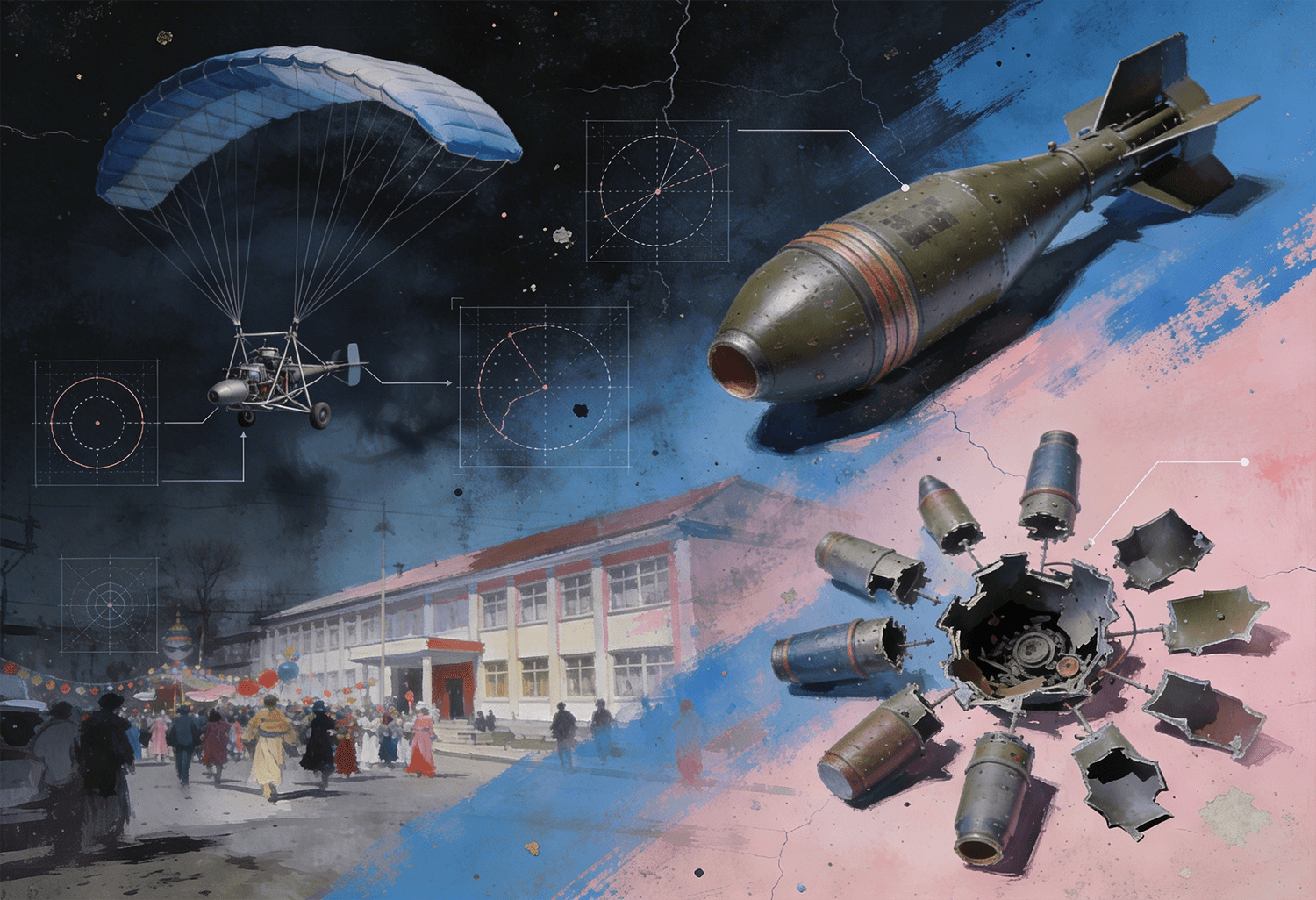
Cluster Munitions and "Indiscriminate" Aerial Terror
The escalating conflict in Myanmar throughout 2025 and early 2026 marks a shift toward low-cost aerial terror against civilian infrastructure. Through silent paramotor gliders and domestically produced cluster munitions, the military has targeted schools, festivals, and hospitals. Fueled by illicit petroleum imports, these devastating strikes serve as a tool of state terror and election-period voter intimidation.

Western Sanctions 2.0: The Jet Fuel and Banking Embargo
In 2026, the international effort to isolate Myanmar’s military regime shifted into a high-stakes war of attrition. A coalition of the US, Canada, and the EU synchronized sanctions targeting foreign currency and aviation fuel. Meanwhile, the junta relies on shadow fleets, regional bridge banks, and non-aligned networks to maintain its critical lifelines.