
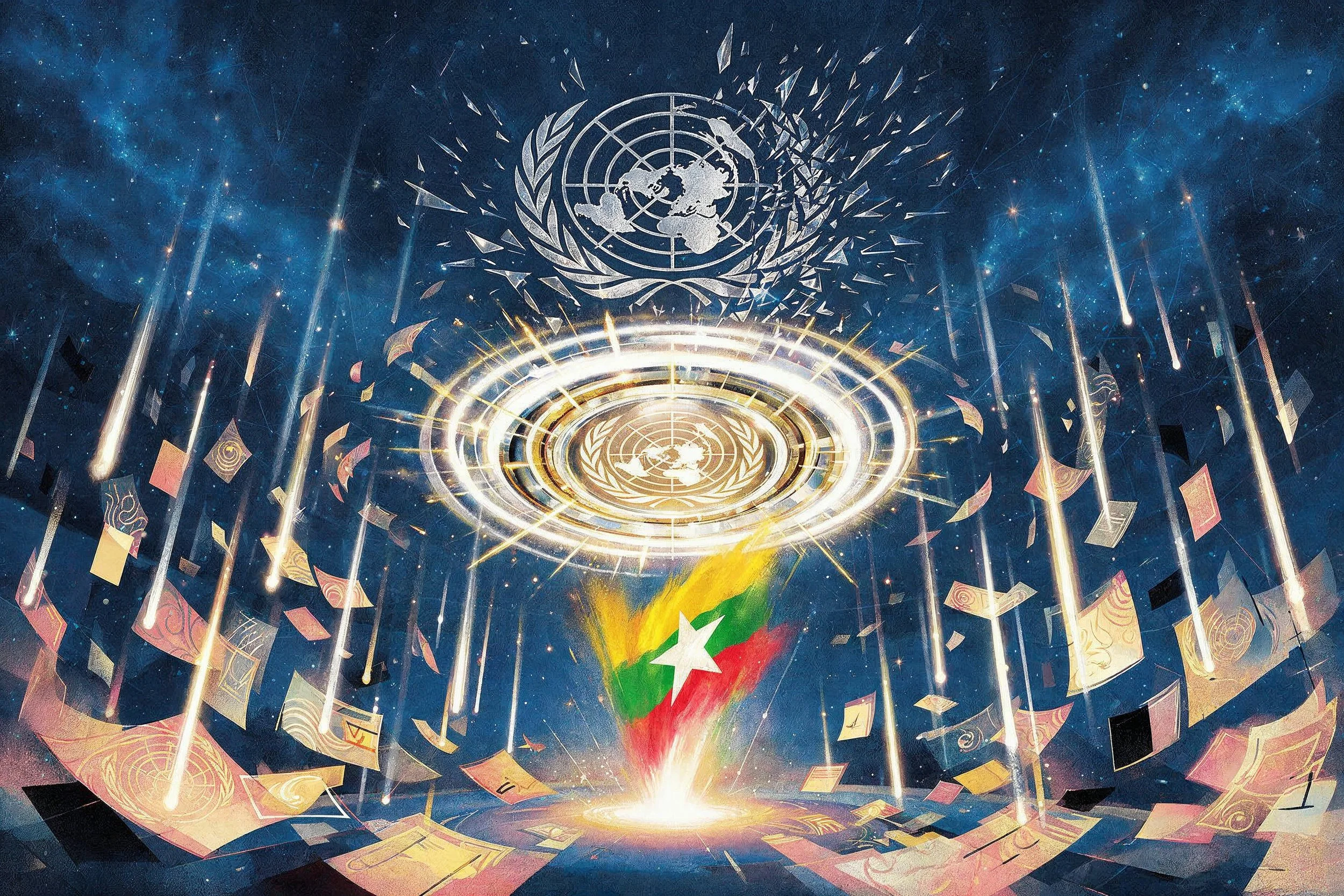
The Procedural Fortress
Min Aung Hlaing has reconstituted the military junta he leads into a nominal civilian government and elevated himself to president. Following this shift, the regime has mounted a diplomatic offensive to seat its representatives at the United Nations. However, the military junta is unlikely to secure Myanmar’s seat; the balance of probability heavily favors the incumbent delegation led by Ambassador Kyaw Moe Tun retaining its accreditation.
While some observers contend that China and Russia could exert decisive influence over select members of the Credentials Committee, the incumbent delegation still has the advantage. This resilience is anchored in the procedural protections of UN "Rule 29," alongside the pragmatic geopolitical interests and diplomatic standing of the major powers on the committee.
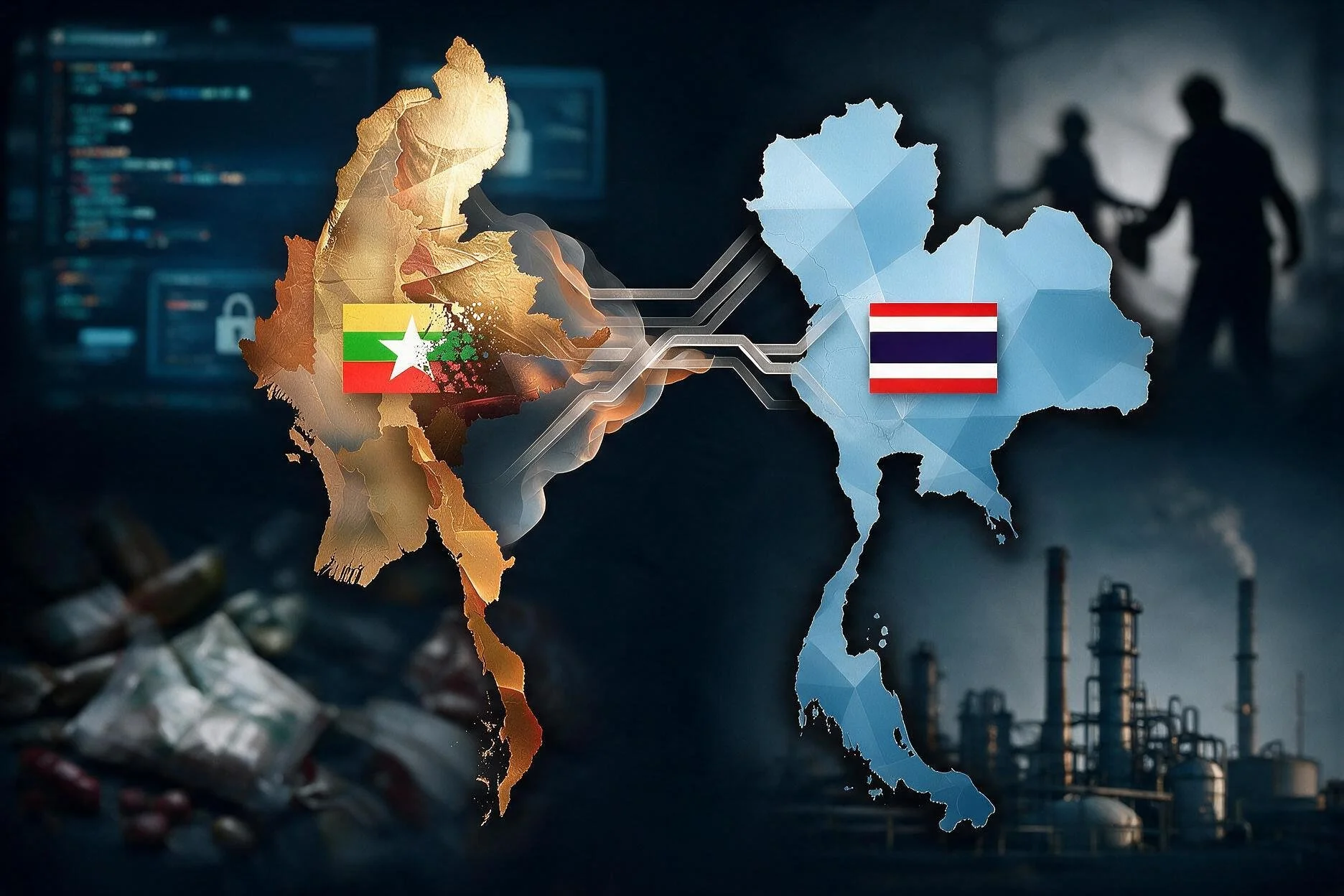
Thailand’s Border Dilemma Between Energy Dependencies and Frontier Entanglement
As Myanmar’s military intensifies pressure on Bangkok to choke off border supply lines feeding anti-junta resistance forces, Thailand faces a perilous strategic bind. Balancing vital offshore natural gas supplies and billions in frontier trade against rising cross-border crime and armed conflict, Bangkok must navigate between regime demands and the reality of non-state border control.

Beyond the 100-Day Mirage
Following managed elections, Senior General Min Aung Hlaing appointed himself President of Myanmar, establishing a 100-day window to prove effective governance. As this deadline expires, empirical data confirms zero substantive recovery. Instead, Myanmar remains trapped in multi-systemic failure, characterised by intense armed conflict, economic contraction, illicit trade, public health collapse, and severe erosion of human capital.

Deciphering the ICRC’s Engagement with Daw Aung San Suu Kyi and the Strategic Realities of Humanitarian Diplomacy in Myanmar
On August 3, 2026, the International Committee of the Red Cross met privately with detained leader Daw Aung San Suu Kyi in Naypyidaw. This brief analyses the event, Burmese political reactions, and historical precedents of regime-ICRC interactions to outline strategic policy recommendations for revolutionary actors and international partners.