

The Procedural Fortress
Min Aung Hlaing has reconstituted the military junta he leads into a nominal civilian government and elevated himself to president. Following this shift, the regime has mounted a diplomatic offensive to seat its representatives at the United Nations. However, the military junta is unlikely to secure Myanmar’s seat; the balance of probability heavily favors the incumbent delegation led by Ambassador Kyaw Moe Tun retaining its accreditation.
While some observers contend that China and Russia could exert decisive influence over select members of the Credentials Committee, the incumbent delegation still has the advantage. This resilience is anchored in the procedural protections of UN "Rule 29," alongside the pragmatic geopolitical interests and diplomatic standing of the major powers on the committee.

The Mirage on the Andaman Sea
Naypyidaw has turned to Moscow to revive the long-stalled Dawei Special Economic Zone, offering majority ownership concessions to secure critical energy and maritime investments. However, this ambitious blueprint on the Andaman Sea faces formidable structural roadblocks, including active armed resistance, severe international financing constraints, and crippling baseline infrastructure deficits across southern Myanmar.
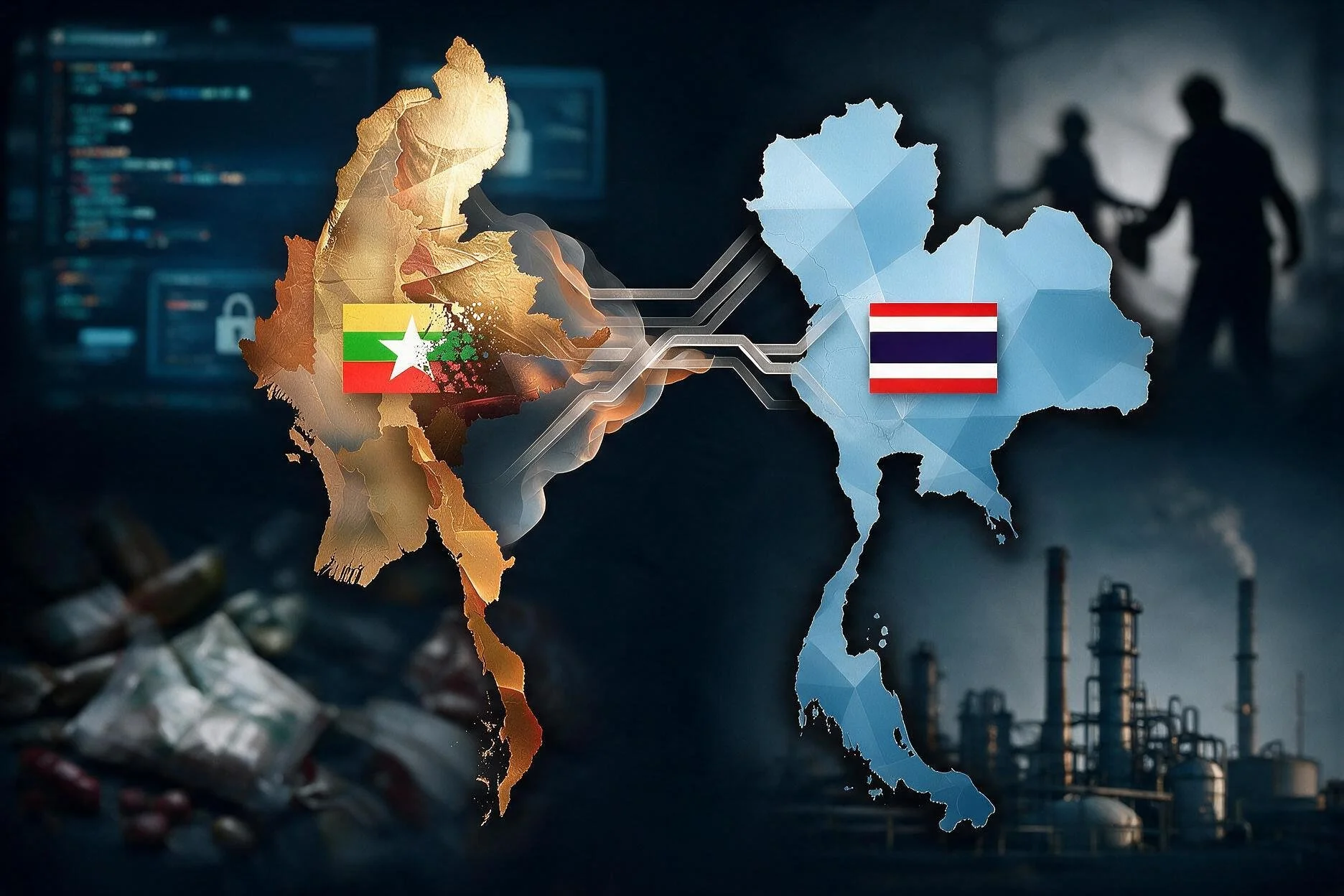
Thailand’s Border Dilemma Between Energy Dependencies and Frontier Entanglement
As Myanmar’s military intensifies pressure on Bangkok to choke off border supply lines feeding anti-junta resistance forces, Thailand faces a perilous strategic bind. Balancing vital offshore natural gas supplies and billions in frontier trade against rising cross-border crime and armed conflict, Bangkok must navigate between regime demands and the reality of non-state border control.
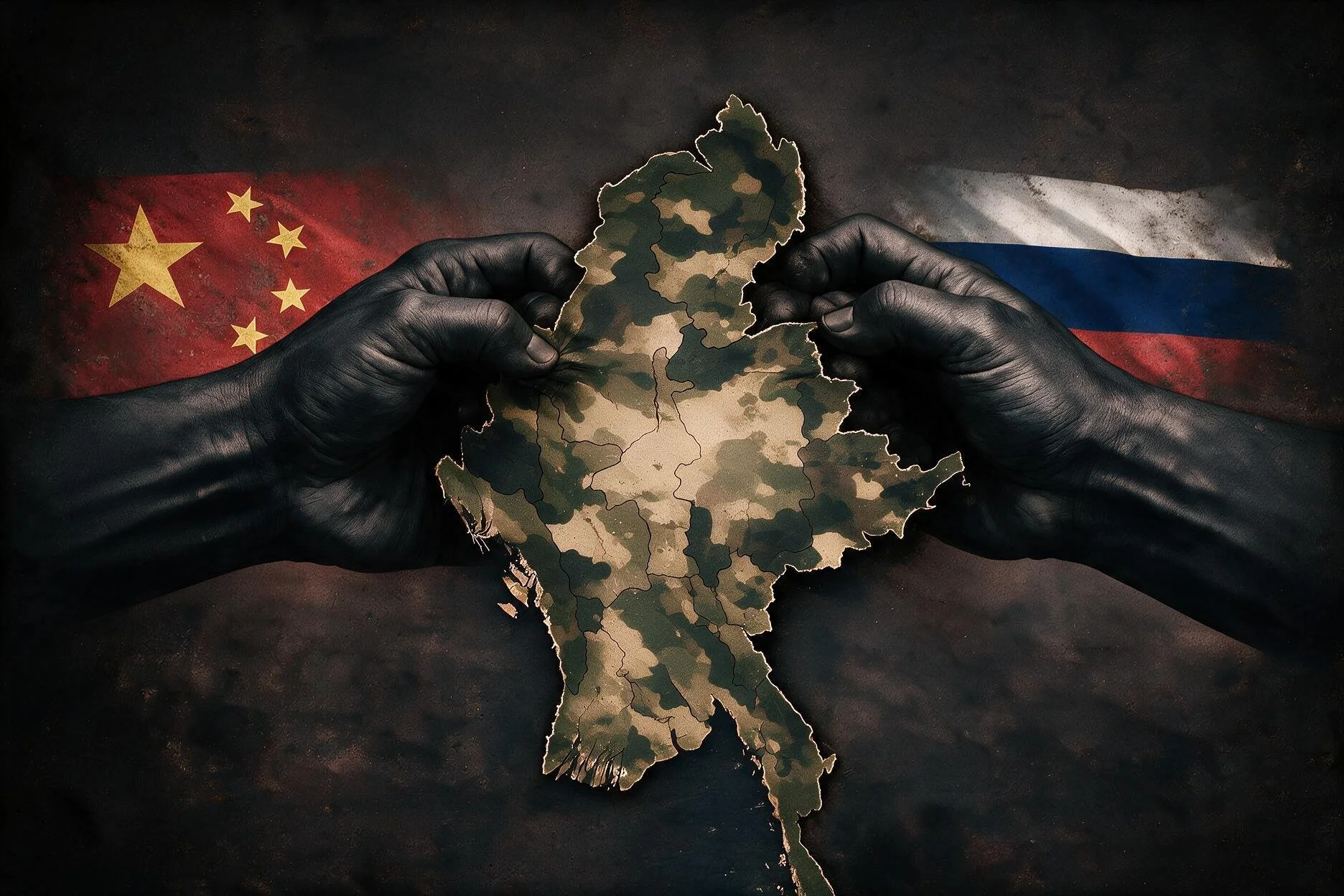
Trading One Patron for Another
Following its transition into a military-led civilian government, Naypyidaw is aggressively courting Moscow with major oil, gas, and infrastructure concessions. Driven by deep distrust toward Beijing after Operation 1027, the regime seeks a geopolitical counterweight. However, offering majority stakes in the strategic Dawei SEZ risks compromising Myanmar’s sovereignty for short-term political survival.
Myanmar Affairs and China’s Strategic Gambit
This article examines the historical strategic manoeuvres in China-Myanmar relations, China’s diplomatic approach toward the military junta following the 2021 military coup, and the potential geopolitical and geoeconomic benefits China stands to gain should it provide long-term support to the Spring Revolution, analysed through the lens of selected international relations theories.
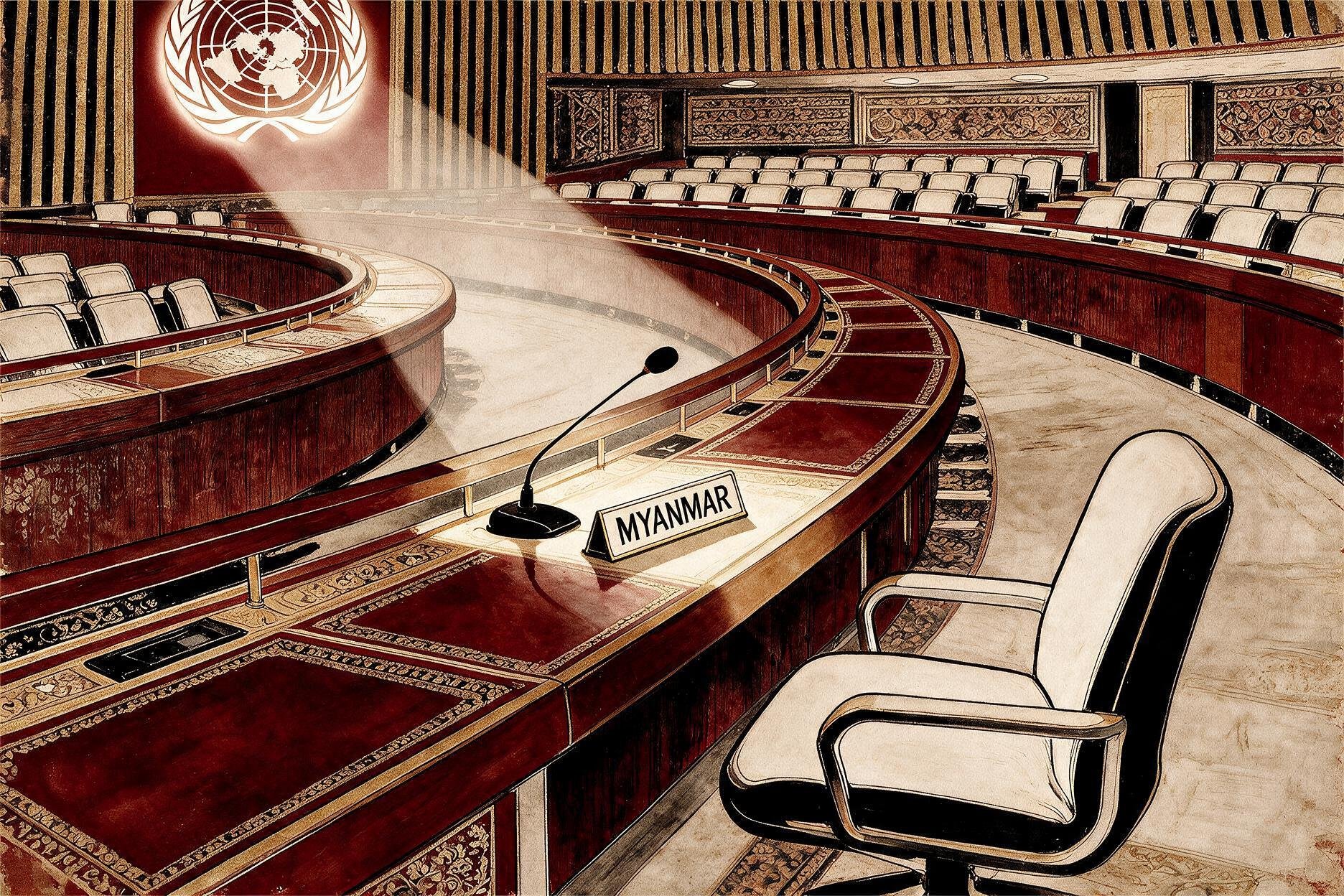
Illusion of Legitimacy: Why Min Aung Hlaing’s Diplomatic Gambits Will Fail at the UN
Despite international sanctions and ASEAN exclusion, the Myanmar regime has cultivated alternative multipolar ties to project an illusion of international legitimacy. Aiming to leverage these connections to claim Myanmar’s seat at the United Nations, the regime faces steep structural barriers. UN credentials precedents, major-power realpolitik, and fractured regional dynamics ensure this diplomatic gambit will ultimately fail.

Cornered in Naypyidaw
Five years after launching a devastating coup, Senior General Min Aung Hlaing’s attempt to legitimise his rule through staged elections has collapsed against firm diplomatic resistance. Blocked by ASEAN from returning to full summit representation, the junta chief’s hostile threats to reject regional mediation signal a deeply cornered regime retreating into strategic isolation rather than projecting strength.