
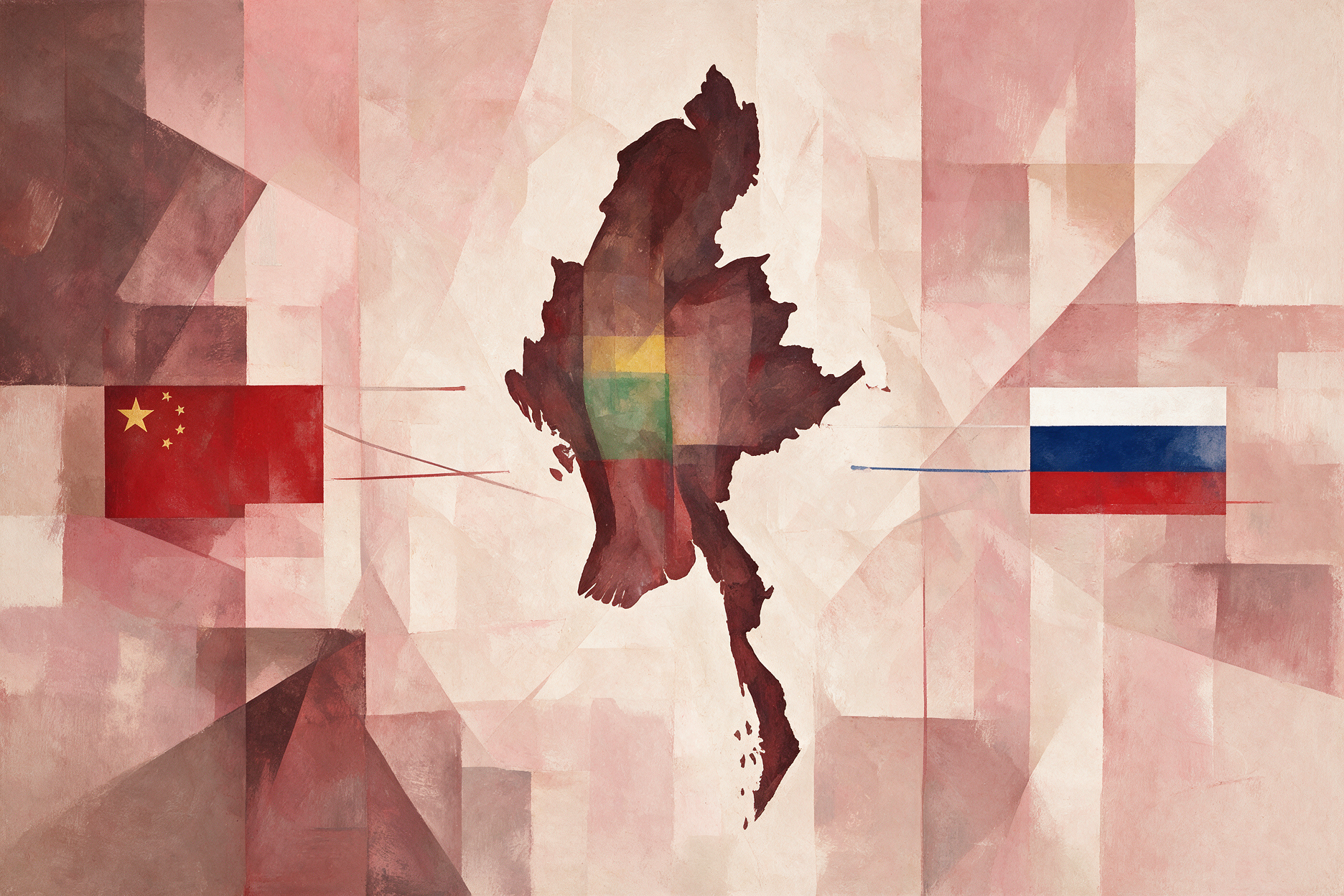
Friction on the Andaman Coast
While Beijing and Moscow project global solidarity, Naypyidaw’s overtures to Russia over the strategic Dawei deep-sea port have exposed clear transactional limits. Seeking a counterweight to China’s regional dominance, the military-led regime risks provoking Beijing, which is countering Moscow’s maritime encroachment through quiet commercial containment, economic leverage, and accelerated corridor investments.

The Mirage on the Andaman Sea
Naypyidaw has turned to Moscow to revive the long-stalled Dawei Special Economic Zone, offering majority ownership concessions to secure critical energy and maritime investments. However, this ambitious blueprint on the Andaman Sea faces formidable structural roadblocks, including active armed resistance, severe international financing constraints, and crippling baseline infrastructure deficits across southern Myanmar.
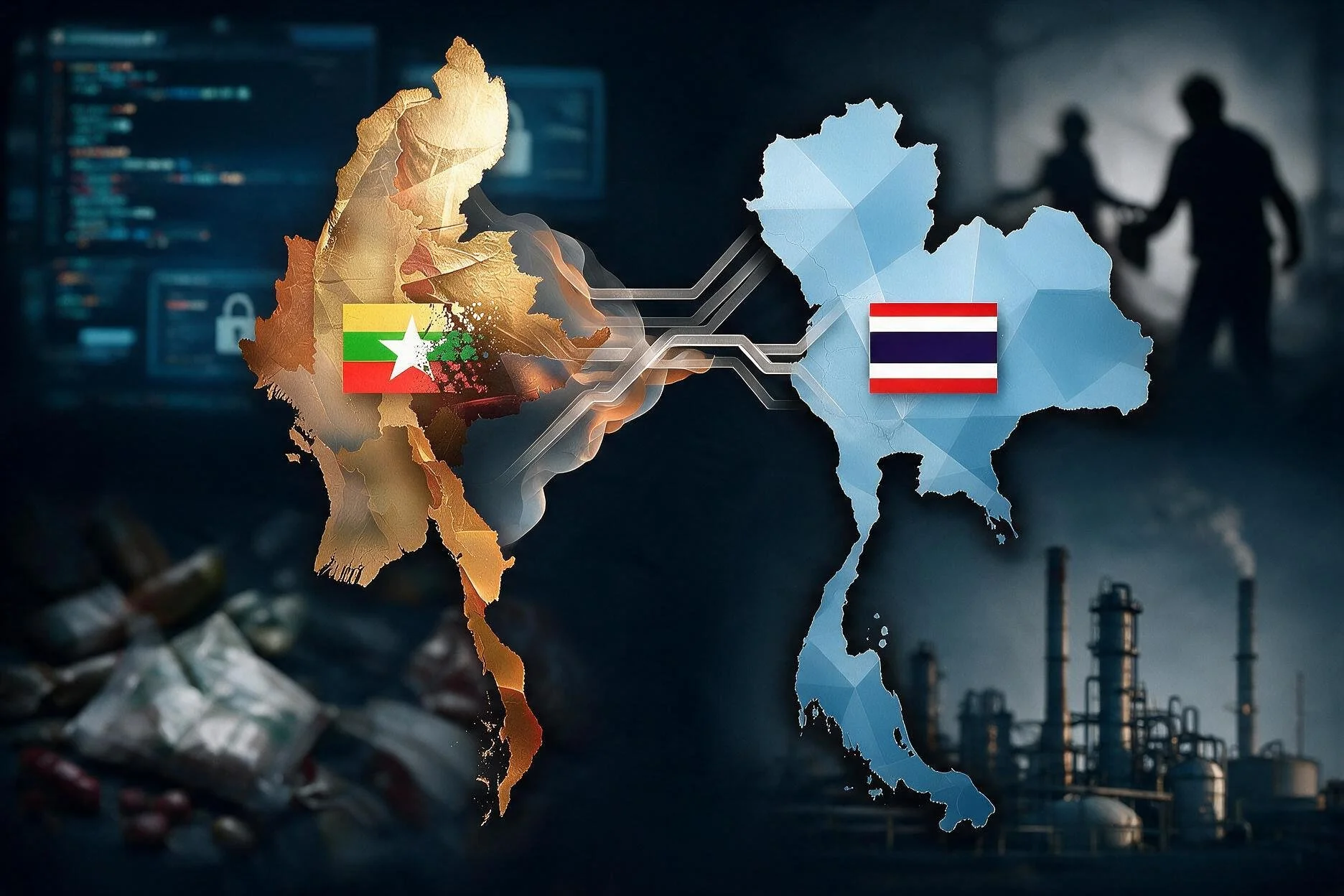
Thailand’s Border Dilemma Between Energy Dependencies and Frontier Entanglement
As Myanmar’s military intensifies pressure on Bangkok to choke off border supply lines feeding anti-junta resistance forces, Thailand faces a perilous strategic bind. Balancing vital offshore natural gas supplies and billions in frontier trade against rising cross-border crime and armed conflict, Bangkok must navigate between regime demands and the reality of non-state border control.

Cornered in Naypyidaw
Five years after launching a devastating coup, Senior General Min Aung Hlaing’s attempt to legitimise his rule through staged elections has collapsed against firm diplomatic resistance. Blocked by ASEAN from returning to full summit representation, the junta chief’s hostile threats to reject regional mediation signal a deeply cornered regime retreating into strategic isolation rather than projecting strength.
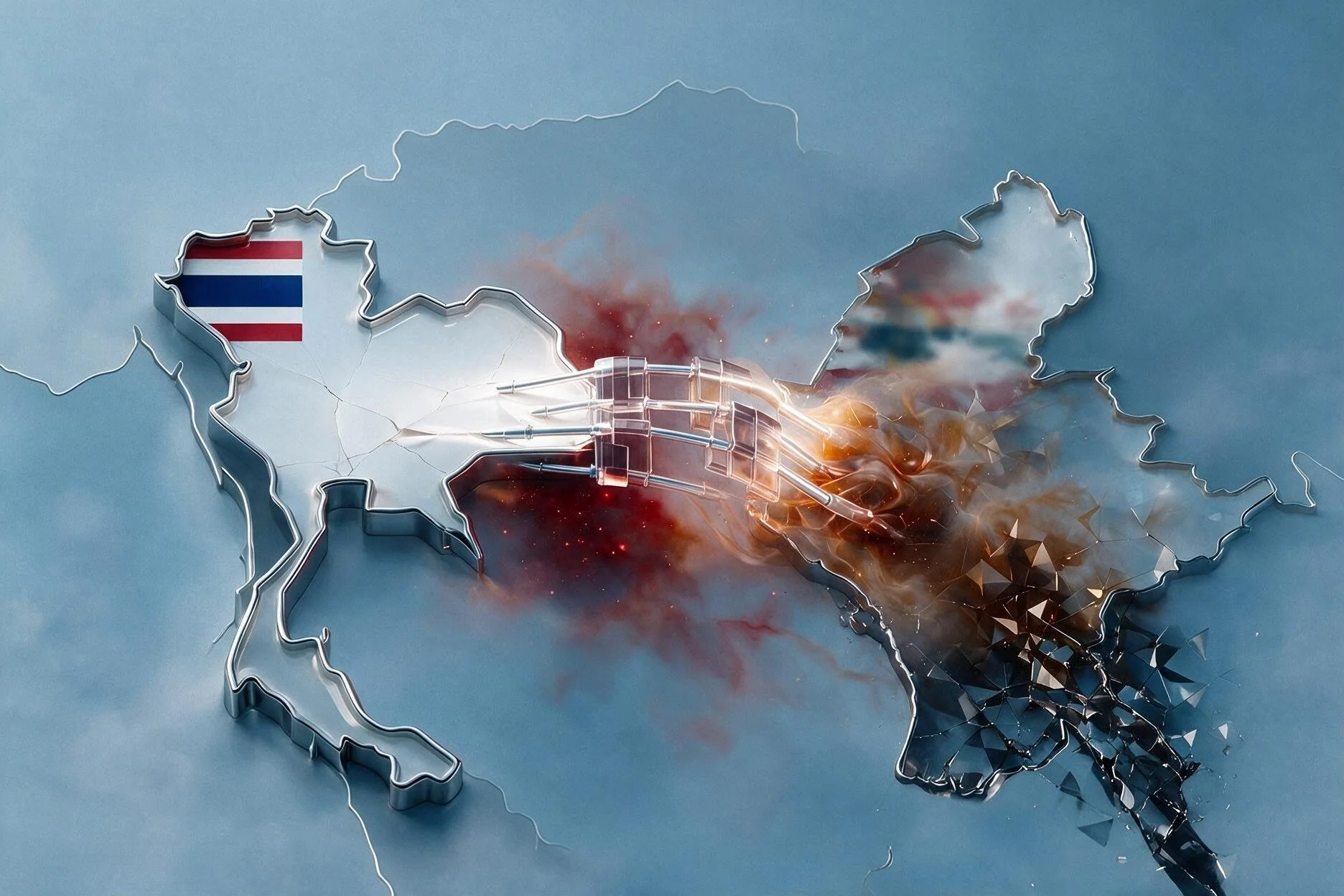
Thailand’s Transactional Diplomacy And Its Strategic Miscalculation Regarding The Myanmar Revolution
This article analyses Thailand’s historically transactional policy toward Myanmar and argues that recent efforts to engage military chief Min Aung Hlaing represent a major strategic error. By ignoring resistance gains, lost border control, and economic collapse, Bangkok risks damaging its international standing, long-term security, and future relations with the Myanmar people.

The Pattaya Meeting on Myanmar: Reviving the Five-Point Consensus—or Providing the Military Junta with a Political Lifeline?
This critical analysis examines whether the recent informal Pattaya meeting advances ASEAN’s Five-Point Consensus or merely offers Myanmar’s military junta a path to political legitimacy. It reveals how intersecting Thai national interests, junta survival strategies, and legacy peace frameworks threaten to undermine a genuine resolution to Myanmar’s crisis.
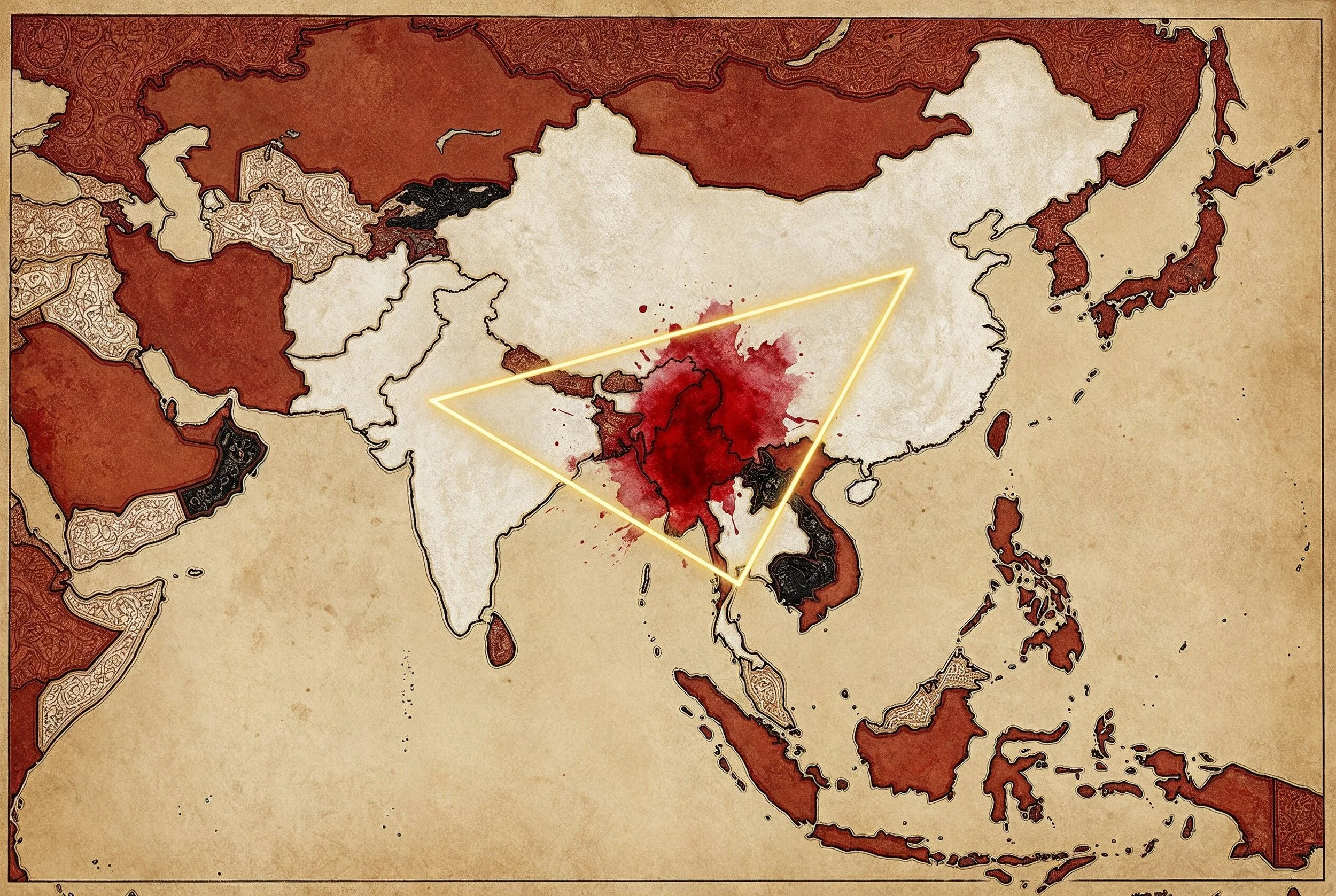
Fueling the Generals: How Myanmar’s Neighbors Are Helping Prolong Military Dictatorship
Since Myanmar’s 2021 military coup, the junta has maintained its brutal hold on power not through public legitimacy, but through regional support. This article reveals how neighbouring countries and corporations fuel the regime’s campaign of civilian violence by prioritising gas deals, trade, and strategic interests over human lives.