
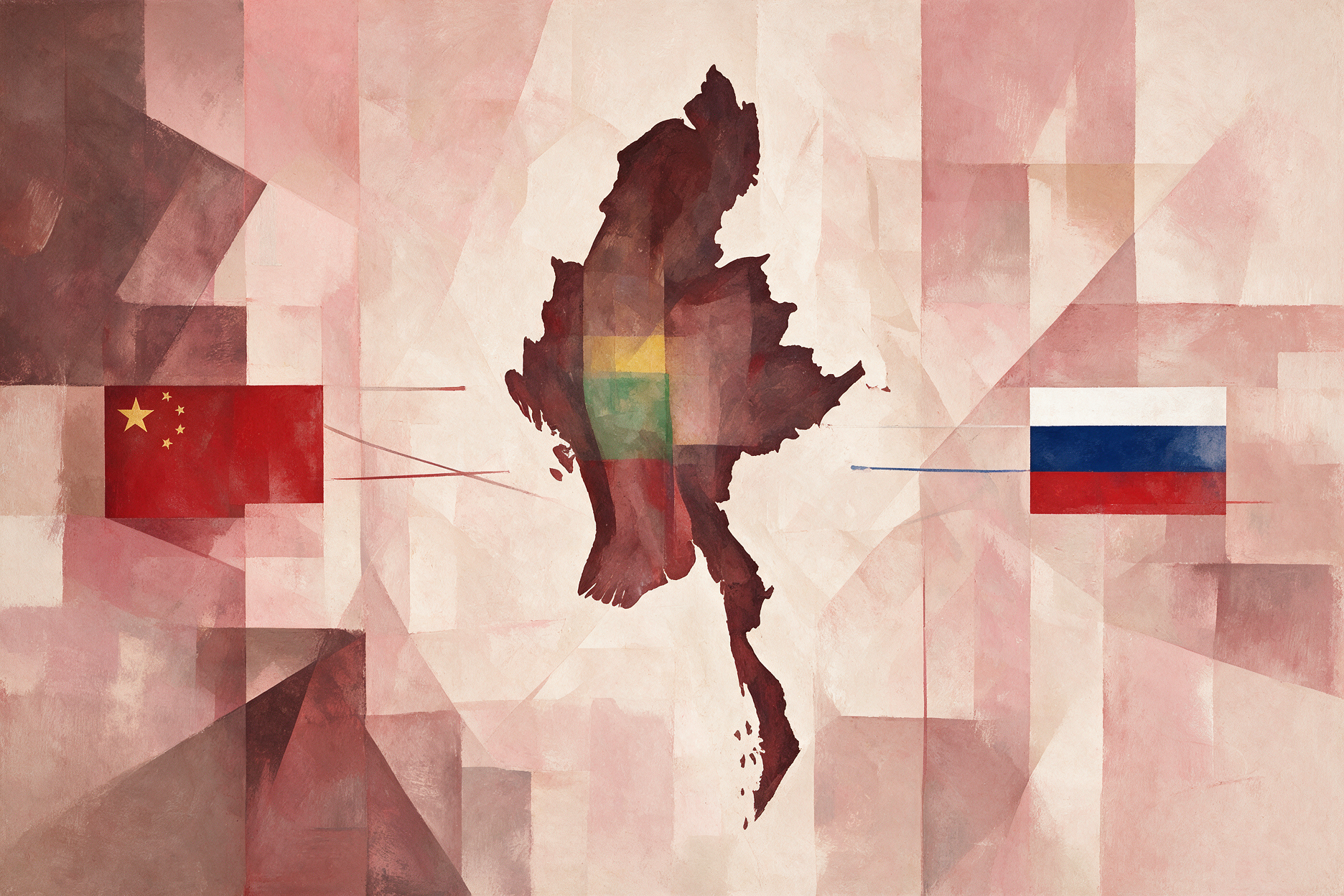
Friction on the Andaman Coast
While Beijing and Moscow project global solidarity, Naypyidaw’s overtures to Russia over the strategic Dawei deep-sea port have exposed clear transactional limits. Seeking a counterweight to China’s regional dominance, the military-led regime risks provoking Beijing, which is countering Moscow’s maritime encroachment through quiet commercial containment, economic leverage, and accelerated corridor investments.

The Procedural Fortress
Min Aung Hlaing has reconstituted the military junta he leads into a nominal civilian government and elevated himself to president. Following this shift, the regime has mounted a diplomatic offensive to seat its representatives at the United Nations. However, the military junta is unlikely to secure Myanmar’s seat; the balance of probability heavily favors the incumbent delegation led by Ambassador Kyaw Moe Tun retaining its accreditation.
While some observers contend that China and Russia could exert decisive influence over select members of the Credentials Committee, the incumbent delegation still has the advantage. This resilience is anchored in the procedural protections of UN "Rule 29," alongside the pragmatic geopolitical interests and diplomatic standing of the major powers on the committee.

The Mirage on the Andaman Sea
Naypyidaw has turned to Moscow to revive the long-stalled Dawei Special Economic Zone, offering majority ownership concessions to secure critical energy and maritime investments. However, this ambitious blueprint on the Andaman Sea faces formidable structural roadblocks, including active armed resistance, severe international financing constraints, and crippling baseline infrastructure deficits across southern Myanmar.
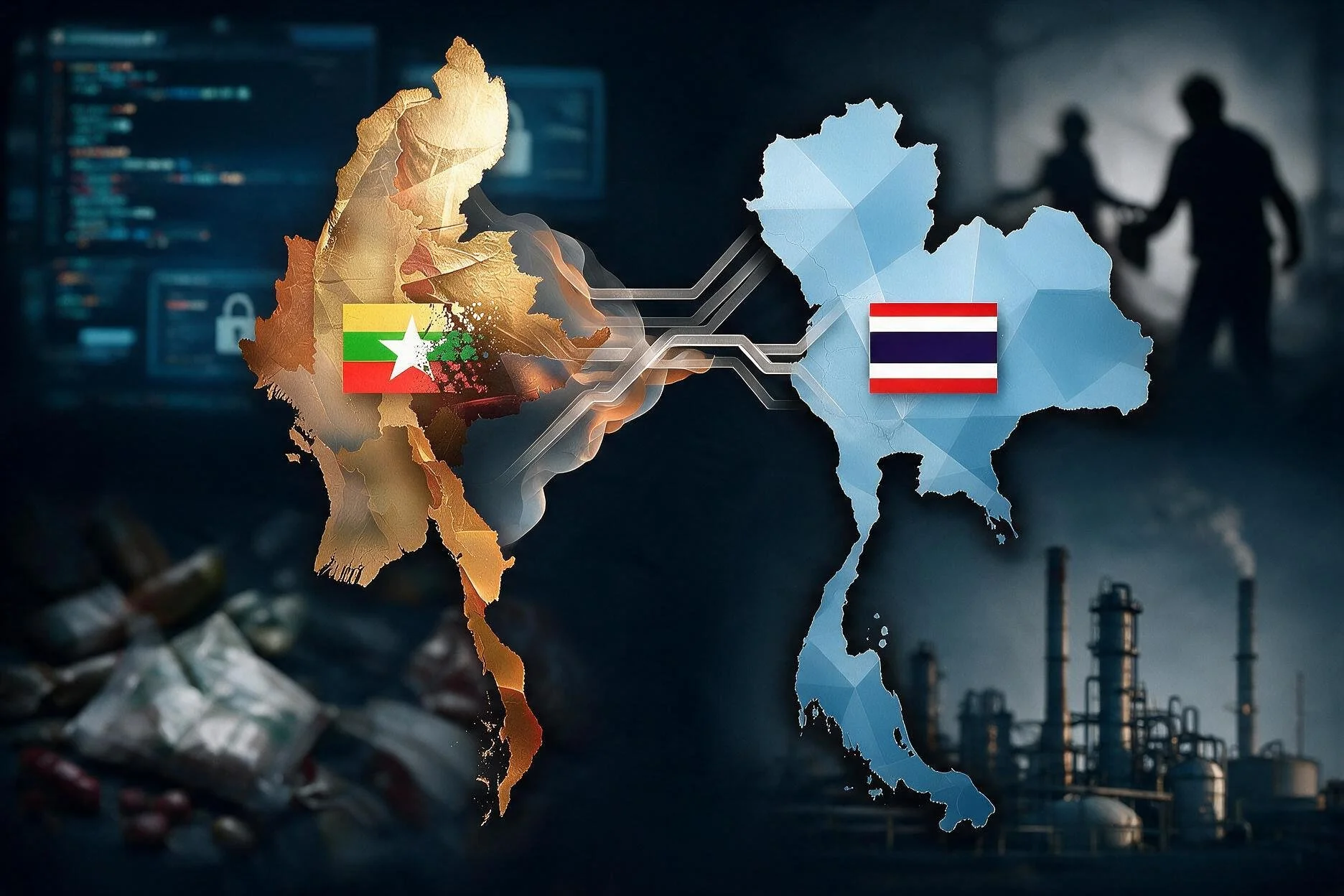
Thailand’s Border Dilemma Between Energy Dependencies and Frontier Entanglement
As Myanmar’s military intensifies pressure on Bangkok to choke off border supply lines feeding anti-junta resistance forces, Thailand faces a perilous strategic bind. Balancing vital offshore natural gas supplies and billions in frontier trade against rising cross-border crime and armed conflict, Bangkok must navigate between regime demands and the reality of non-state border control.
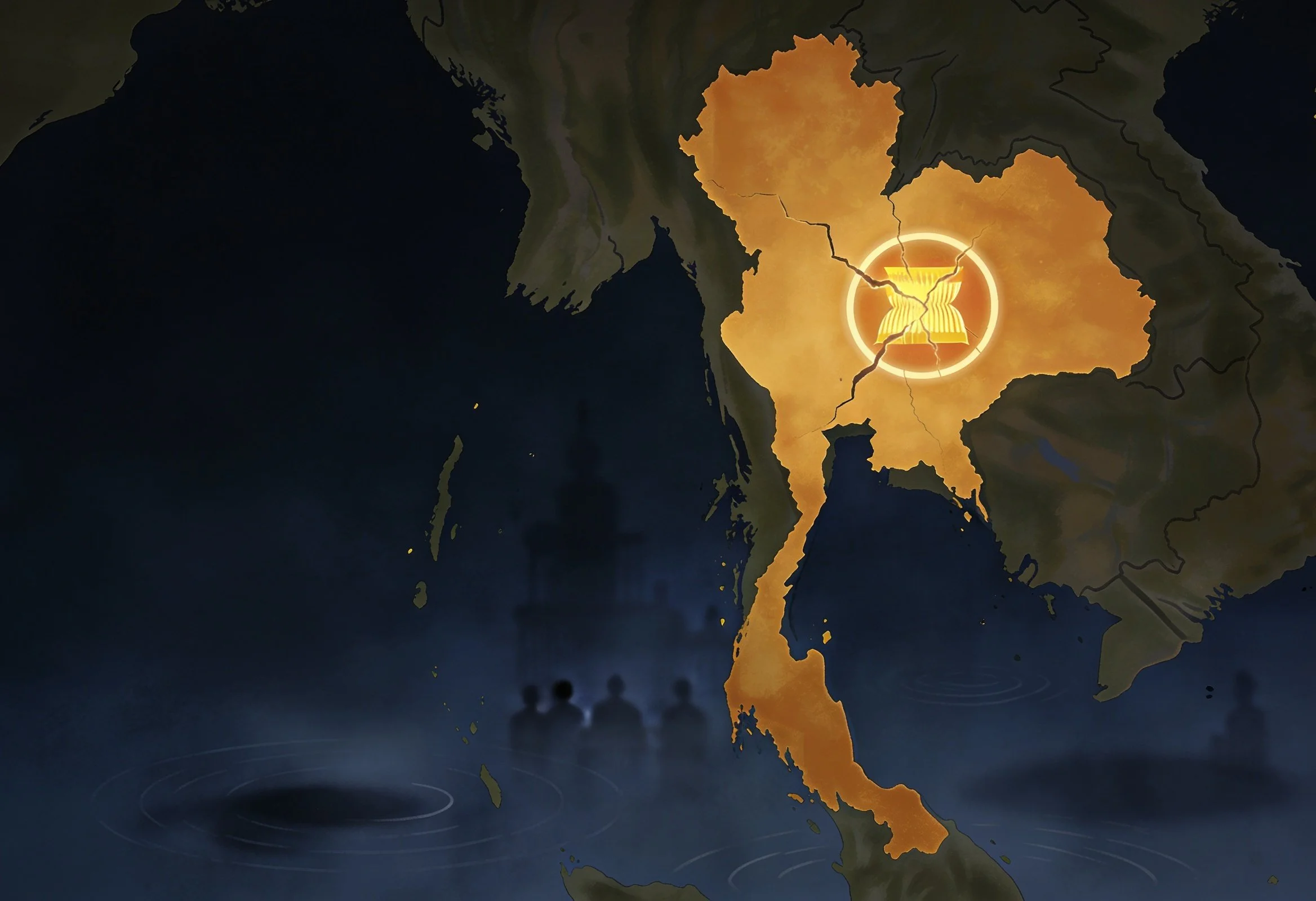
The Pattaya Meeting on Myanmar: Reviving the Five-Point Consensus—or Providing the Military Junta with a Political Lifeline?
This critical analysis examines whether the recent informal Pattaya meeting advances ASEAN’s Five-Point Consensus or merely offers Myanmar’s military junta a path to political legitimacy. It reveals how intersecting Thai national interests, junta survival strategies, and legacy peace frameworks threaten to undermine a genuine resolution to Myanmar’s crisis.

ASEAN’s Actions on Myanmar Do Not Constitute Interference in Internal Affairs: An Analysis of the Myanmar Crisis Through International Law Under the UN and ASEAN Charters
Following the 2021 military coup in Myanmar, the junta has dismissed international peace initiatives as "internal interference." However, a closer examination of the ASEAN and UN Charters reveals that these diplomatic efforts—and the mandate for inclusive dialogue—align fully with international law and collective regional security responsibilities.

The Political Gravity: Finding Political Order in a Multipolar World
As the post-WWII international order fractures, the world is transitioning into a complex multipolar era. Examining shifts in global power, technological disruption, and domestic governance models like federal democracy, this article introduces "political gravity"—a framework of shared norms and institutions essential for maintaining stability amid growing global diversity.
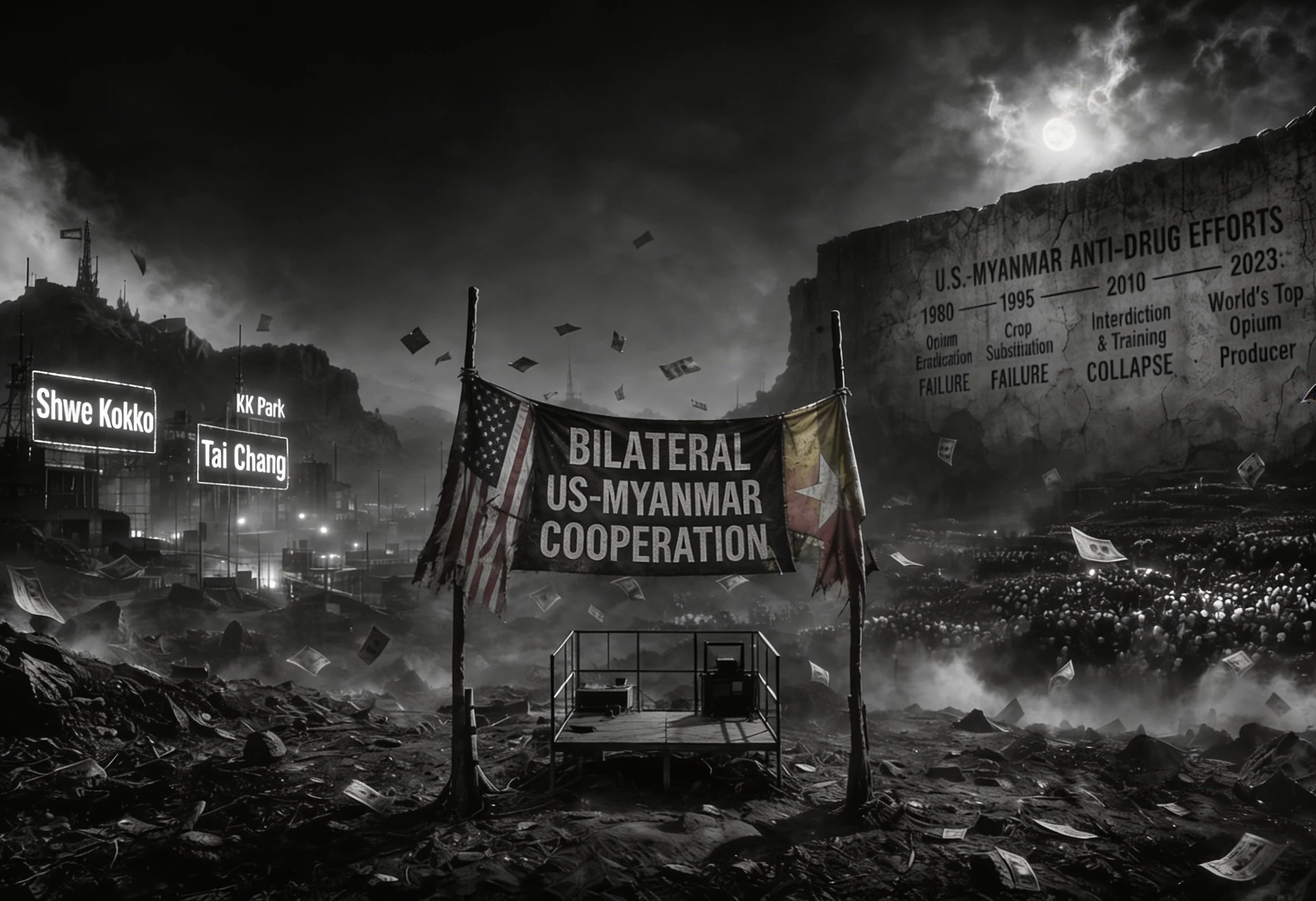
The Arsonist as Firefighter: Why US Cooperation with the Myanmar Regime on Cyberscams is a Historical Trap
In late June 2026, U.S. officials quietly met with Myanmar’s military regime to discuss tackling Southeast Asian cyberscam centres. However, history warns that partnering with the junta—a primary beneficiary of this criminal enterprise—mirrors past failed anti-narcotics efforts, risking taxpayer dollars and granting unearned legitimacy to an oppressive regime.

Nominal Sovereignty: How Realpolitik and Regime Survival Are Eroding Myanmar’s Statehood
Since the 2021 military coup, Myanmar's statehood has fractured under authoritarian rule. Denied domestic legitimacy, the junta relies on foreign powers—China, India, and Russia—who exploit its isolation for strategic resources. This erosion of popular sovereignty and territorial control traps the nation in a dangerous downward spiral toward complete state collapse.
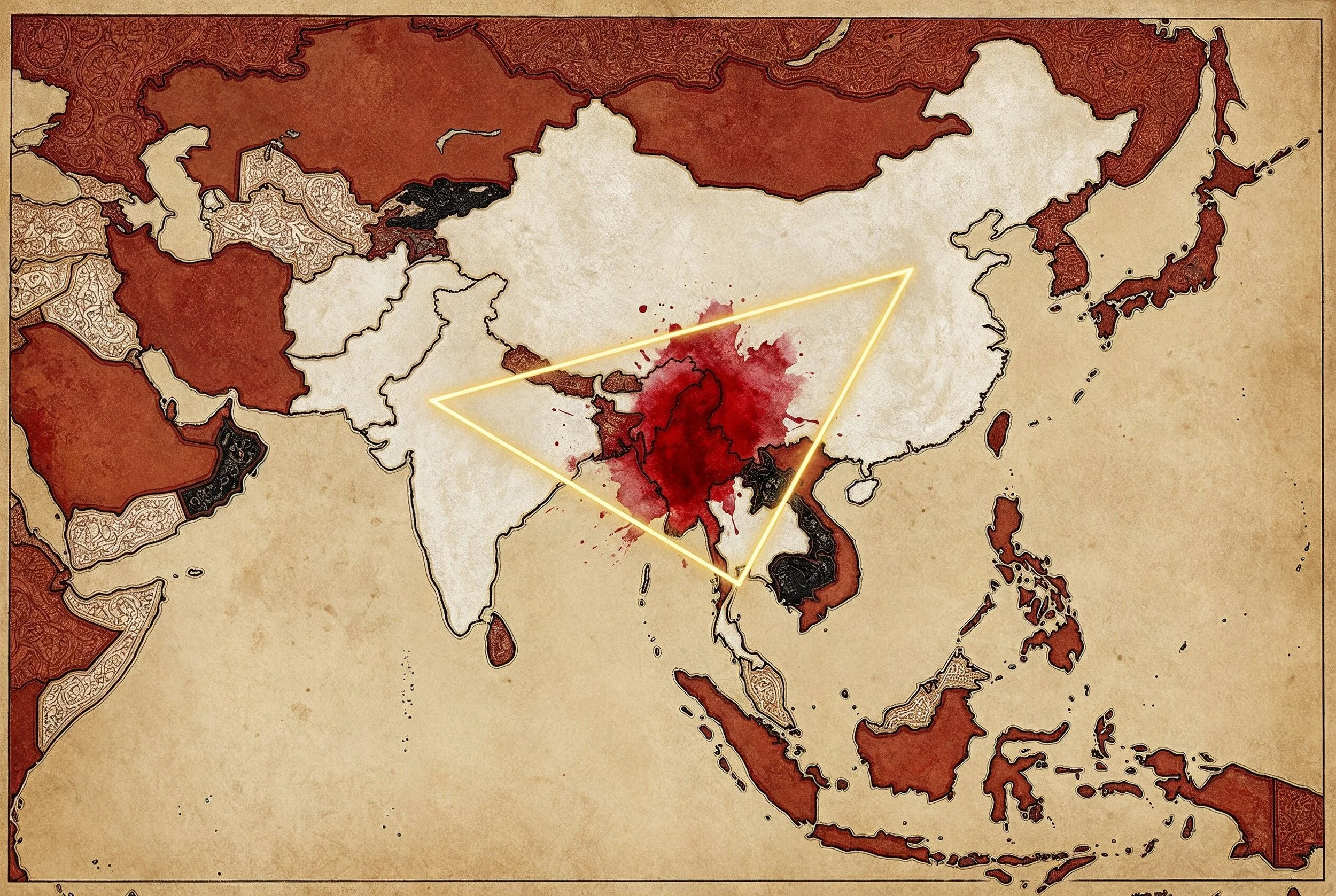
Fueling the Generals: How Myanmar’s Neighbors Are Helping Prolong Military Dictatorship
Since Myanmar’s 2021 military coup, the junta has maintained its brutal hold on power not through public legitimacy, but through regional support. This article reveals how neighbouring countries and corporations fuel the regime’s campaign of civilian violence by prioritising gas deals, trade, and strategic interests over human lives.

The Contested Sky: The Evolution and Diversification of Aerial Warfare in Myanmar
The air over Myanmar has transformed into a high-tech battlefield. Following the 2021 coup, both resistance forces and the military junta have adopted advanced drone warfare, ultralight terror tactics, and evasive global supply chains, turning the country into a deadly proving ground for asymmetric aerial combat.

The Shadow Skies: How Myanmar’s "Ghost Fleet" and Regional Banks Defy Western Sanctions
Five years after Myanmar’s 2021 coup, Western "smart sanctions" face a stalemate against the military junta's resilient shadow economy. Despite targeted restrictions, the regime sustains its air campaign by breaking fuel import records and exploiting regional loopholes—relying on Iranian ghost fleets, maritime evasion tactics, and a major pivot to Thai banking hubs.