

The Mirage on the Andaman Sea
Naypyidaw has turned to Moscow to revive the long-stalled Dawei Special Economic Zone, offering majority ownership concessions to secure critical energy and maritime investments. However, this ambitious blueprint on the Andaman Sea faces formidable structural roadblocks, including active armed resistance, severe international financing constraints, and crippling baseline infrastructure deficits across southern Myanmar.
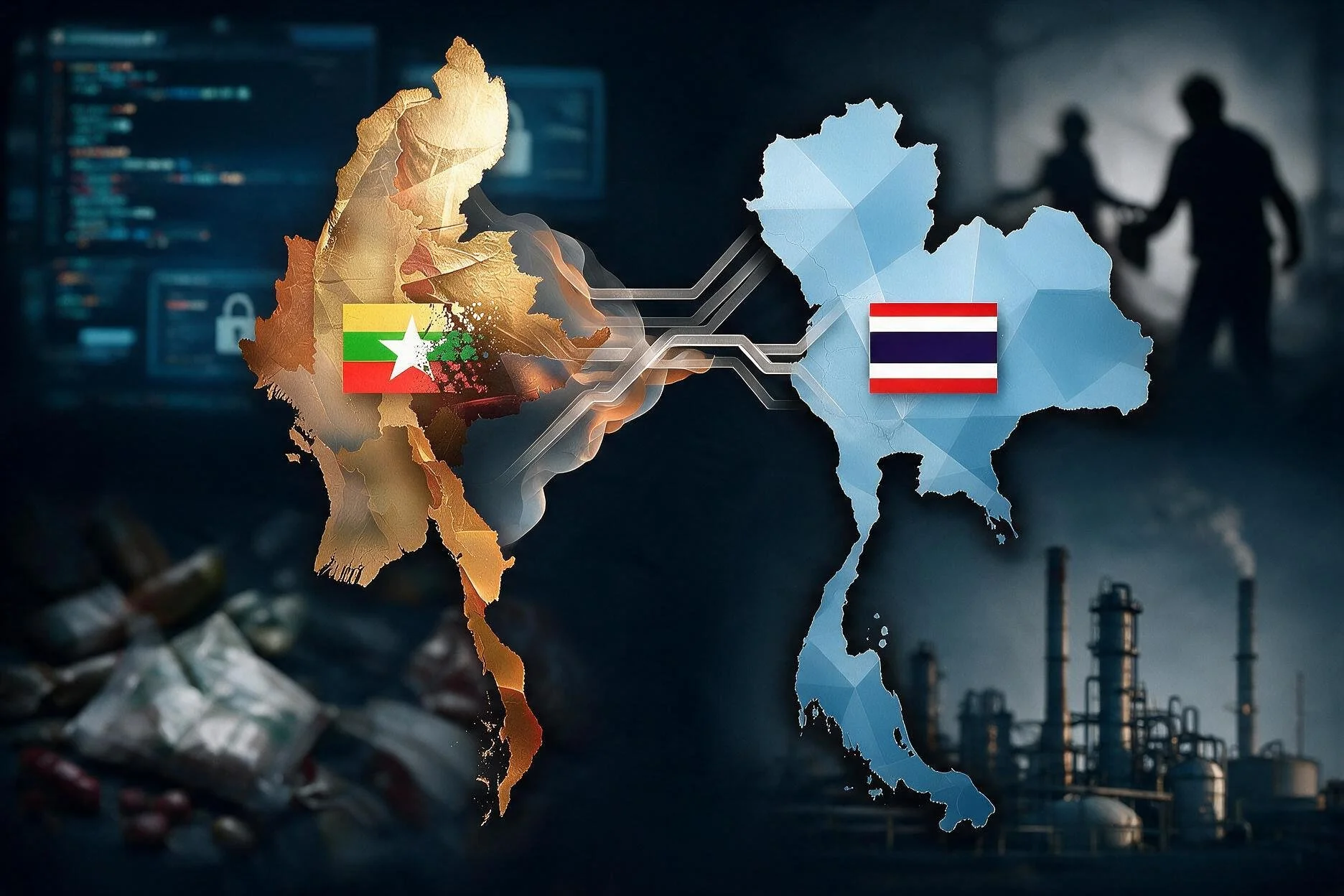
Thailand’s Border Dilemma Between Energy Dependencies and Frontier Entanglement
As Myanmar’s military intensifies pressure on Bangkok to choke off border supply lines feeding anti-junta resistance forces, Thailand faces a perilous strategic bind. Balancing vital offshore natural gas supplies and billions in frontier trade against rising cross-border crime and armed conflict, Bangkok must navigate between regime demands and the reality of non-state border control.
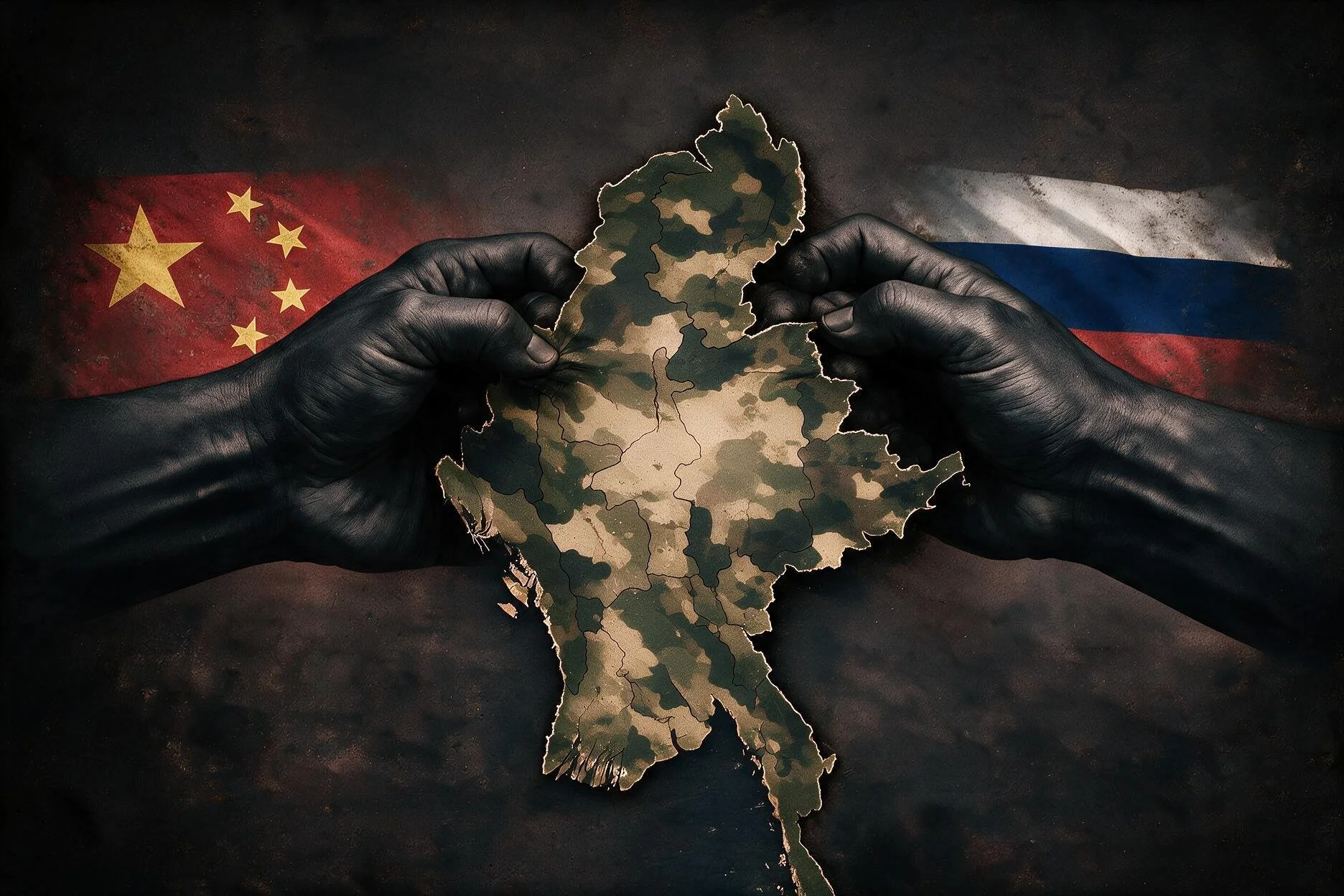
Trading One Patron for Another
Following its transition into a military-led civilian government, Naypyidaw is aggressively courting Moscow with major oil, gas, and infrastructure concessions. Driven by deep distrust toward Beijing after Operation 1027, the regime seeks a geopolitical counterweight. However, offering majority stakes in the strategic Dawei SEZ risks compromising Myanmar’s sovereignty for short-term political survival.

Myanmar Affairs and China’s Strategic Gambit
This article examines the historical strategic manoeuvres in China-Myanmar relations, China’s diplomatic approach toward the military junta following the 2021 military coup, and the potential geopolitical and geoeconomic benefits China stands to gain should it provide long-term support to the Spring Revolution, analysed through the lens of selected international relations theories.
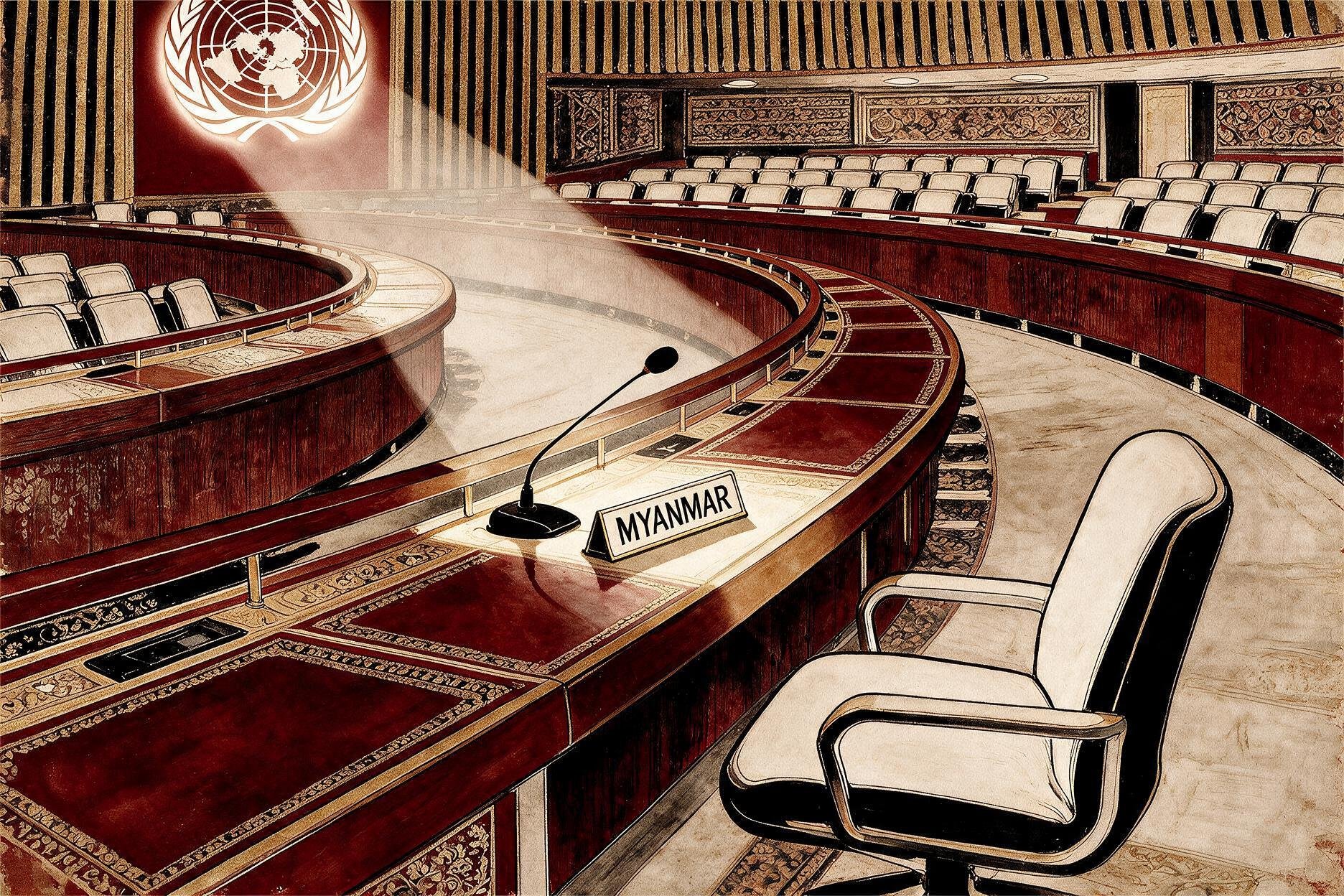
Illusion of Legitimacy: Why Min Aung Hlaing’s Diplomatic Gambits Will Fail at the UN
Despite international sanctions and ASEAN exclusion, the Myanmar regime has cultivated alternative multipolar ties to project an illusion of international legitimacy. Aiming to leverage these connections to claim Myanmar’s seat at the United Nations, the regime faces steep structural barriers. UN credentials precedents, major-power realpolitik, and fractured regional dynamics ensure this diplomatic gambit will ultimately fail.

Cornered in Naypyidaw
Five years after launching a devastating coup, Senior General Min Aung Hlaing’s attempt to legitimise his rule through staged elections has collapsed against firm diplomatic resistance. Blocked by ASEAN from returning to full summit representation, the junta chief’s hostile threats to reject regional mediation signal a deeply cornered regime retreating into strategic isolation rather than projecting strength.
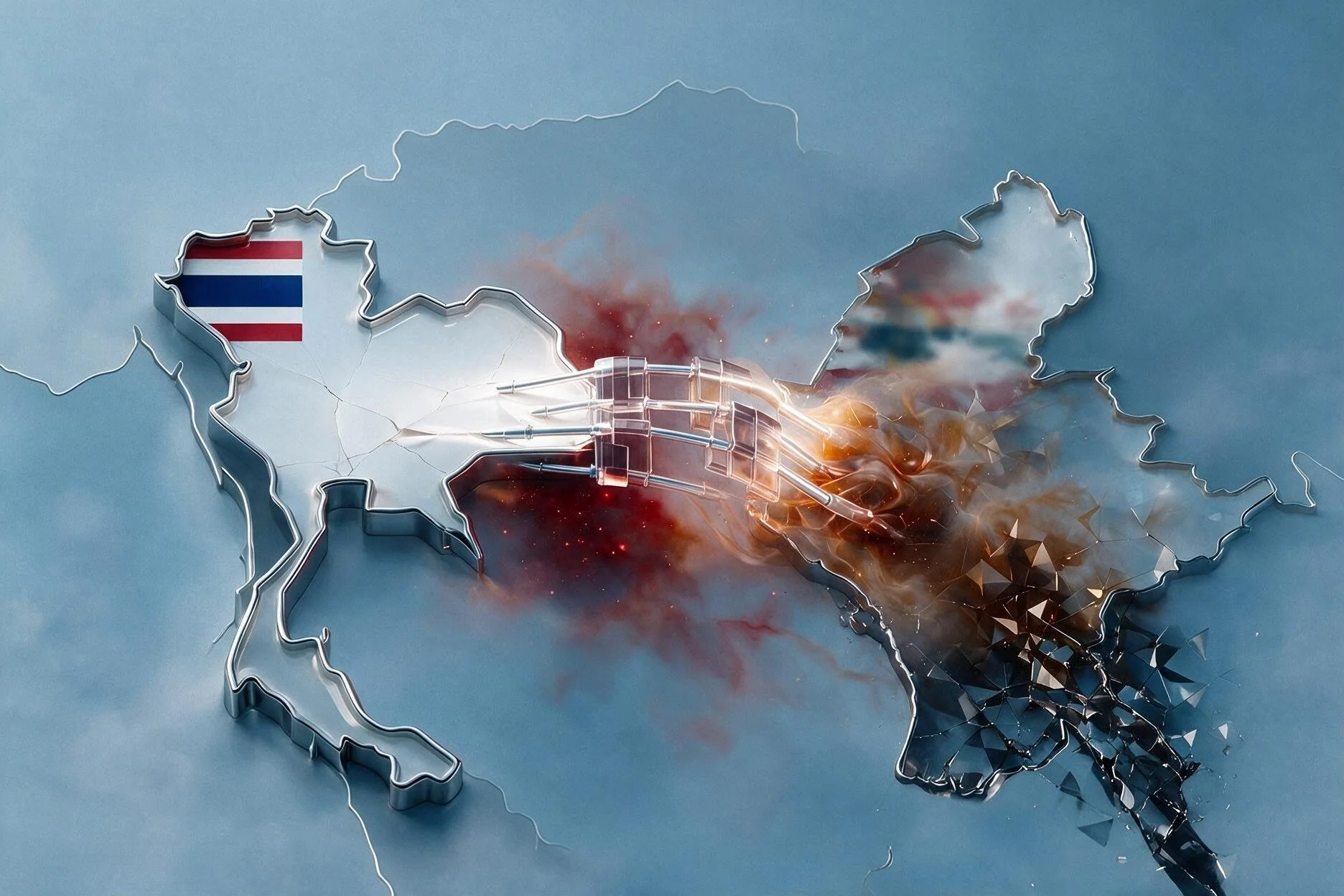
Thailand’s Transactional Diplomacy And Its Strategic Miscalculation Regarding The Myanmar Revolution
This article analyses Thailand’s historically transactional policy toward Myanmar and argues that recent efforts to engage military chief Min Aung Hlaing represent a major strategic error. By ignoring resistance gains, lost border control, and economic collapse, Bangkok risks damaging its international standing, long-term security, and future relations with the Myanmar people.

Beyond the 100-Day Mirage
Following managed elections, Senior General Min Aung Hlaing appointed himself President of Myanmar, establishing a 100-day window to prove effective governance. As this deadline expires, empirical data confirms zero substantive recovery. Instead, Myanmar remains trapped in multi-systemic failure, characterised by intense armed conflict, economic contraction, illicit trade, public health collapse, and severe erosion of human capital.

Deciphering the ICRC’s Engagement with Daw Aung San Suu Kyi and the Strategic Realities of Humanitarian Diplomacy in Myanmar
On August 3, 2026, the International Committee of the Red Cross met privately with detained leader Daw Aung San Suu Kyi in Naypyidaw. This brief analyses the event, Burmese political reactions, and historical precedents of regime-ICRC interactions to outline strategic policy recommendations for revolutionary actors and international partners.

Misaligned Priorities and Sacrifices
Myanmar’s Spring Revolution faces critical internal challenges. Beyond fighting the military regime, resistance forces are increasingly strained by inter-factional rivalries and territorial disputes. This analysis explores how internal divisions and junta-led disinformation threaten the movement's strategic momentum, emphasising the urgent need for unified, democratic principles during the revolution.
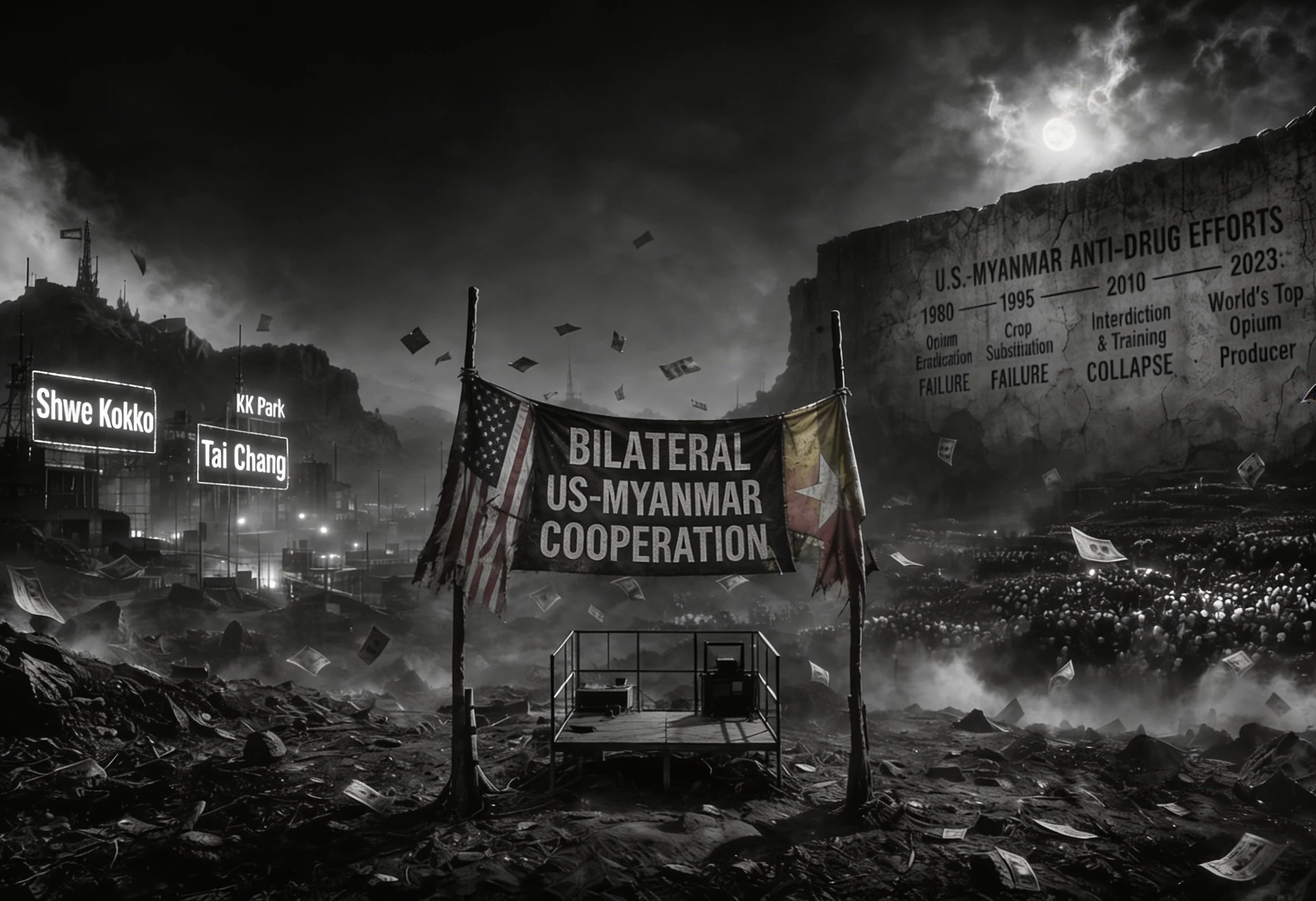
The Arsonist as Firefighter: Why US Cooperation with the Myanmar Regime on Cyberscams is a Historical Trap
In late June 2026, U.S. officials quietly met with Myanmar’s military regime to discuss tackling Southeast Asian cyberscam centres. However, history warns that partnering with the junta—a primary beneficiary of this criminal enterprise—mirrors past failed anti-narcotics efforts, risking taxpayer dollars and granting unearned legitimacy to an oppressive regime.

The Erasure of History and the Path to Institutional Redemption
This article examines how authoritarian regimes manipulate history to retain power, focusing on the path toward institutional redemption. It highlights that true stability and public trust require militaries to withdraw from politics, submit to civilian authority, and address historical trauma through genuine dialogue rather than force.
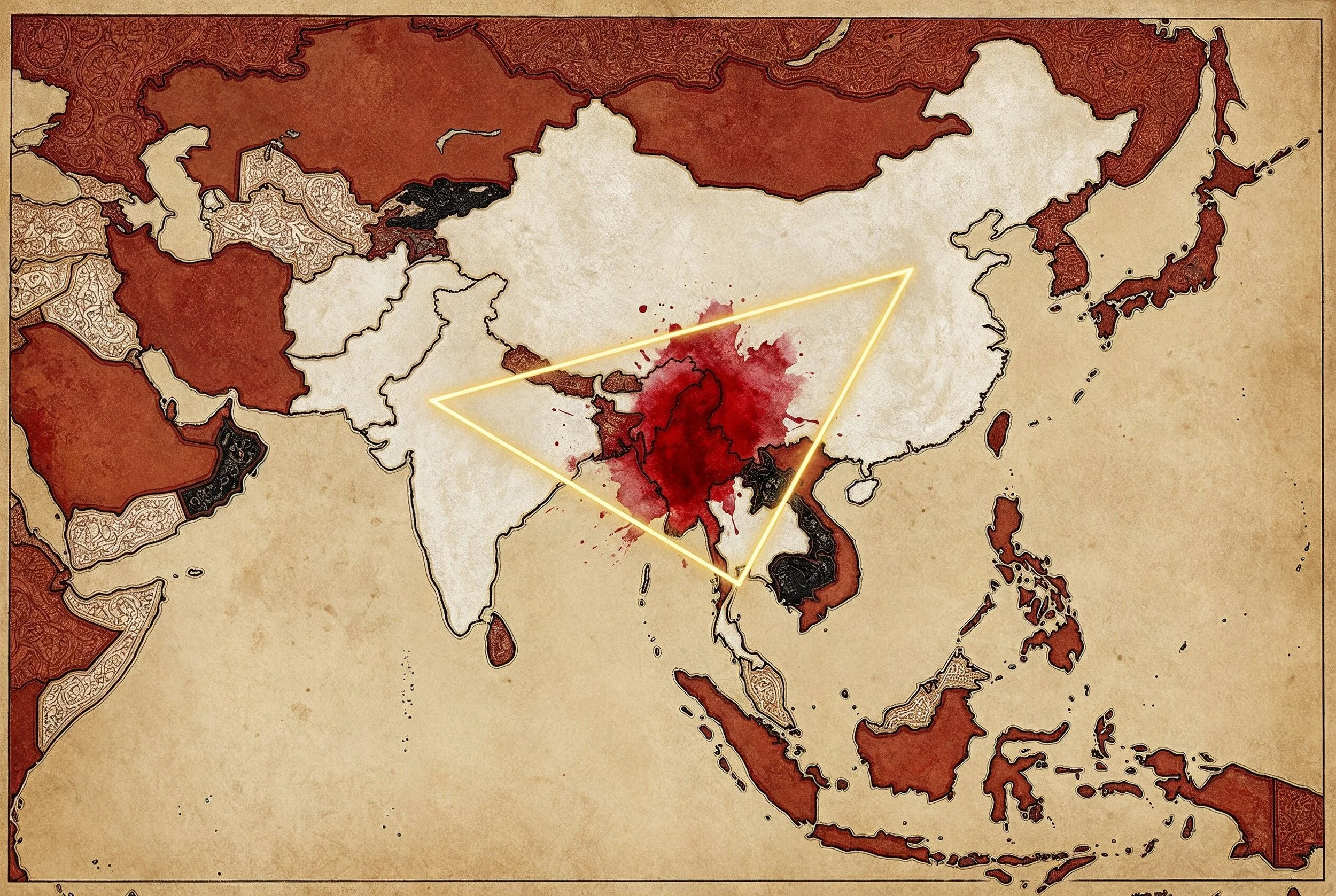
Fueling the Generals: How Myanmar’s Neighbors Are Helping Prolong Military Dictatorship
Since Myanmar’s 2021 military coup, the junta has maintained its brutal hold on power not through public legitimacy, but through regional support. This article reveals how neighbouring countries and corporations fuel the regime’s campaign of civilian violence by prioritising gas deals, trade, and strategic interests over human lives.

The Ashes of Resistance: An Analytical Review of Myanmar’s Five-Year Arson Campaign (2021–2026)
Since the February 2021 coup, Myanmar’s military has waged a devastating nationwide arson campaign. By early 2026, over 125,000 civilian homes have been burned as part of a strategic "Four Cuts" doctrine to crush resistance, driving widespread displacement and triggering a critical humanitarian crisis across the country.

The Drone Arms Race: Electronic Warfare and FPV Evolution
By 2026, the Myanmar military (SAC) transformed the electromagnetic spectrum into a hostile zone using multi-frequency jammers and GPS spoofing. A sophisticated "grey market" supply corridor through Ruili, China, equips junta drones with anti-jamming tech while severe border blockades drastically choke the resistance's drone capabilities and supply chains.
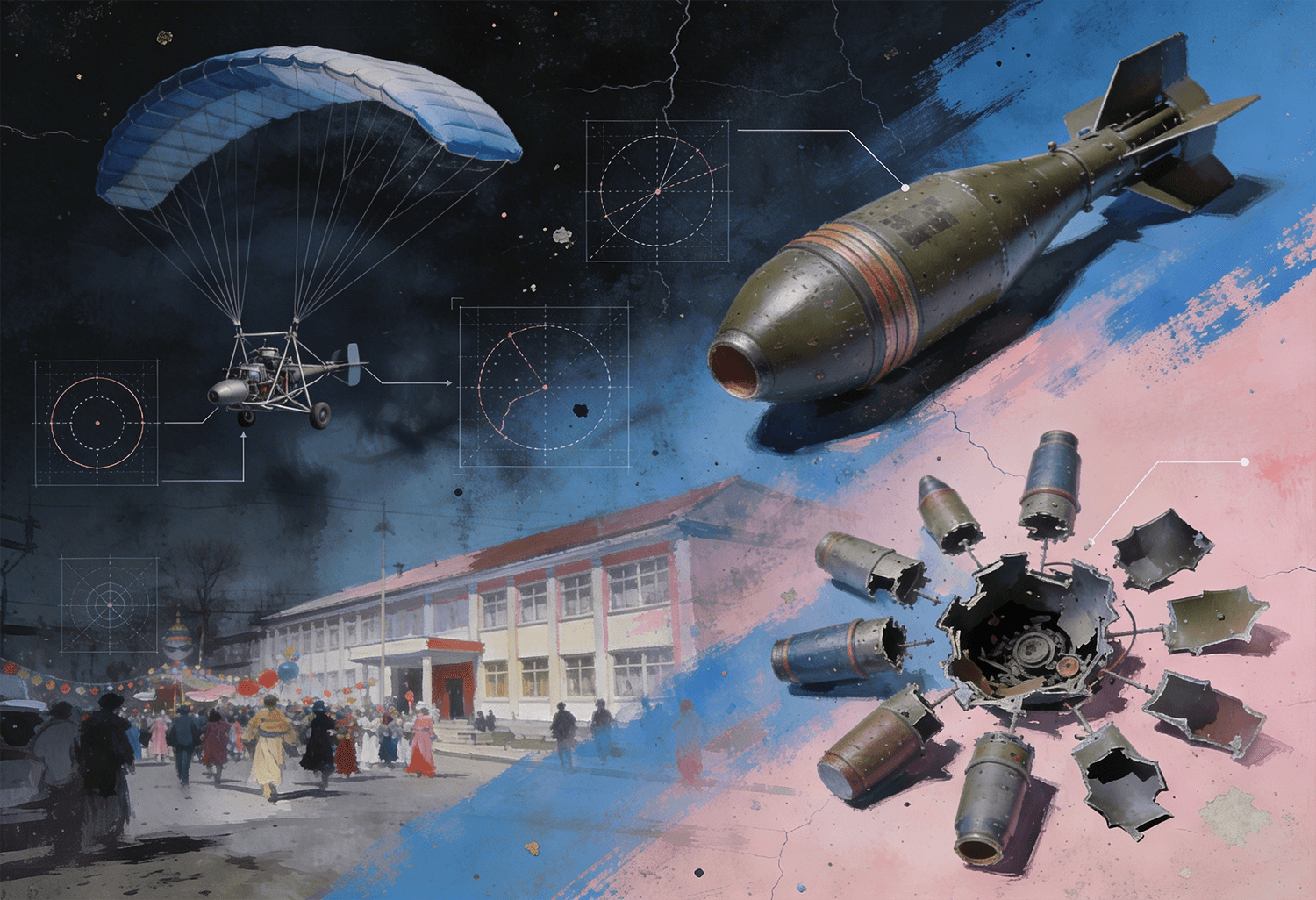
Cluster Munitions and "Indiscriminate" Aerial Terror
The escalating conflict in Myanmar throughout 2025 and early 2026 marks a shift toward low-cost aerial terror against civilian infrastructure. Through silent paramotor gliders and domestically produced cluster munitions, the military has targeted schools, festivals, and hospitals. Fueled by illicit petroleum imports, these devastating strikes serve as a tool of state terror and election-period voter intimidation.